Joint pain can be as common as it is debilitating, affecting the quality of life for millions across the globe. While many turn to medications for relief, there's a growing interest in natural methods that emphasize not just relief, but overall well-being. Today, we delve into the captivating world of natural joint pain relief, focusing on holistic strategies that help alleviate discomfort and enhance mobility.
Table of Contents
- Table of Contents
- The Connection Between Weight Loss and Joint Pain Relief
- Harnessing the Power of Omega-3 Fatty Acids
- Joint Pain Relief for Arthritis
- Exploring Non-Medicinal Approaches
- Embracing a Holistic Approach
- FAQs
The Connection Between Weight Loss and Joint Pain Relief
One of the most effective, yet often overlooked, methods of reducing joint pain naturally is through weight management. Carrying excess weight can put significant stress on the joints, particularly the knees, hips, and lower back. By adopting a healthier lifestyle that includes appropriate exercise and nutrition, you can significantly ease the burden on your joints, leading to substantial pain relief.
For those seeking guidance on incorporating weight management into their joint pain relief strategy, our article “Key Weight Loss Tips for Joint Ache Relief” offers valuable insights. It addresses how diet and regular physical activity can serve as cornerstones for achieving optimal joint health.
Harnessing the Power of Omega-3 Fatty Acids

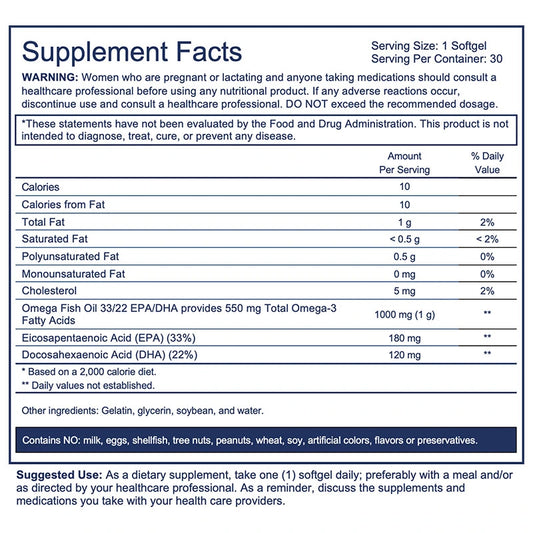
Another powerful ally in the battle against joint pain is Omega-3 fatty acids. Known for their anti-inflammatory properties, Omega-3s can significantly reduce joint inflammation and stiffness. Our Super Omega-3 Supplement Fish Oil is a reliable source of these essential fatty acids, crafted to support a balanced lifestyle and promote joint regeneration naturally.
Joint Pain Relief for Arthritis

For those specifically coping with arthritis, managing joint discomfort might feel like a daunting task. Understanding your condition is the first step toward finding relief. Our comprehensive guide on “Understanding Arthritis and Joint Pain Relief” provides readers with essential knowledge to better manage arthritis symptoms and embrace a more active lifestyle.
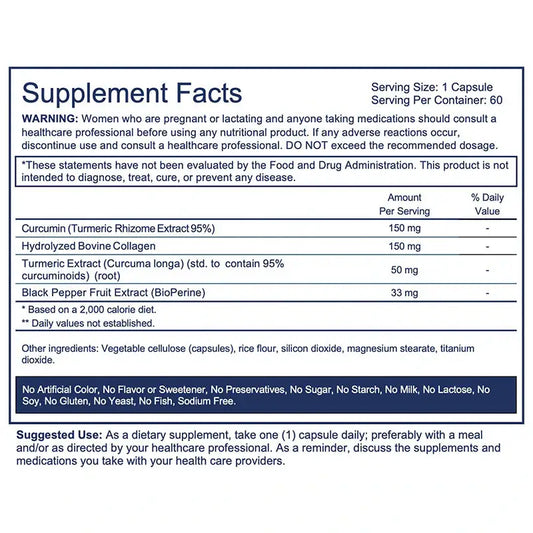
Among the various methods available, joint supplements like Triple Power® Joint Support can be a lifeline for those with arthritis. This supplement is designed to provide targeted support, helping to reduce inflammation and promote joint flexibility.
Exploring Non-Medicinal Approaches
Not all joint pain relief requires medication. In fact, numerous non-medicinal methods offer substantial benefits. Techniques such as regular exercise, yoga, and acupuncture have been shown to improve joint function and reduce pain levels. For more innovative strategies, visit our post on Top Joint Pain Relief Methods Without Medication, which explores alternative ways to manage pain.
Embracing a Holistic Approach
The journey to joint pain relief is multifaceted, involving a blend of lifestyle changes, natural supplements, and an informed understanding of personal health. By addressing the root causes of discomfort and targeting them through effective, natural methods, you can unlock the secrets to living a pain-free life. Explore EienHealth for more holistic avenues to enhance your joint health and well-being.
Ready to start your journey towards a more comfortable, active life? Consider integrating these natural strategies today, and embrace the vibrant, joint ache-free existence you’ve been longing for. By taking control of your health with a comprehensive approach, relief is not just a possibility—it’s a promise.
FAQs
What are some natural remedies for joint pain relief?
There are several natural remedies that can help alleviate joint pain, including ginger, turmeric, omega-3 fatty acids found in fish oil, and certain herbal supplements like boswellia. Additionally, maintaining a healthy diet rich in antioxidants and staying hydrated can also support joint health.
How does exercise contribute to joint pain relief?
Regular, low-impact exercise such as swimming, cycling, or yoga can strengthen the muscles around the joints, improve flexibility, and promote better mobility. Exercise also helps reduce stiffness and inflammation, contributing to overall joint health.
Can diet affect joint pain?
Absolutely! A diet rich in anti-inflammatory foods, such as fruits, vegetables, nuts, and fatty fish, can help reduce joint pain and inflammation. Conversely, processed foods, sugar, and excessive sodium may exacerbate symptoms.
What role does weight management play in alleviating joint pain?
Carrying excess weight puts added stress on weight-bearing joints such as the hips and knees. Maintaining a healthy weight can significantly reduce pain and improve mobility by lessening the strain on these joints.
Are there lifestyle changes that can help with joint pain?
Yes, lifestyle changes such as incorporating regular physical activity, managing stress through practices like meditation or yoga, and ensuring adequate sleep can help improve joint health and reduce pain levels.
Is there a connection between hydration and joint health?
Yes, staying adequately hydrated is essential for joint health. Water helps lubricate joints and maintain cartilage, which can prevent stiffness and reduce pain. Aim to drink enough fluids throughout the day to support joint function.
What are some specific stretches that may relieve joint pain?
Gentle stretching exercises focused on the affected joints can help improve flexibility and range of motion. Common stretches include hamstring stretches, calf stretches, and shoulder rolls. Always consult a healthcare professional before beginning a new stretching routine.
Can acupuncture help with joint pain?
Acupuncture is an alternative therapy that has been shown to help some individuals manage joint pain. By targeting specific points on the body, it may help reduce inflammation and promote healing by increasing blood flow to affected areas.
How can I determine the cause of my joint pain?
It’s important to consult a healthcare professional for a proper diagnosis of joint pain. They can conduct a thorough evaluation, which may include a physical examination, medical history, and imaging tests to determine the underlying cause and appropriate treatment options.