Life changes in meaningful ways when joint pain accompanies your every move. Arthritis, a common condition leading to joint pain, affects millions worldwide, influencing both physical abilities and mental health. But there's hope! A multifaceted approach including weight loss, exercise, and natural remedies can help bring joint ache relief.
Table of Contents
- Table of Contents
- What is Arthritis?
- Weight Loss and Joint Pain Relief
- Natural Joint Pain Relief
- Joint Ache Relief Through Exercise
- Nutrition in Joint Health
- FAQs
What is Arthritis?
Arthritis isn't a single disease but a complex family of musculoskeletal disorders consisting of over 100 different conditions. The most common form, osteoarthritis, affects millions and typically emerges as people age. It's characterized by joint pain, stiffness, and sometimes swelling. Understanding the root cause of your joint pain is crucial for effective management.
Weight Loss and Joint Pain Relief
Weight loss is a significant step in achieving joint pain relief for arthritis. The impact of weight on joints, especially weight-bearing ones such as the knees, is profound. Every extra pound adds stress, escalating the pain and potentially accelerating joint deterioration. Fortunately, shedding weight can considerably relieve joint pressure. To explore how weight loss can benefit your joints, check out our detailed article How Weight Loss Helps with Joint Pain.
Natural Joint Pain Relief

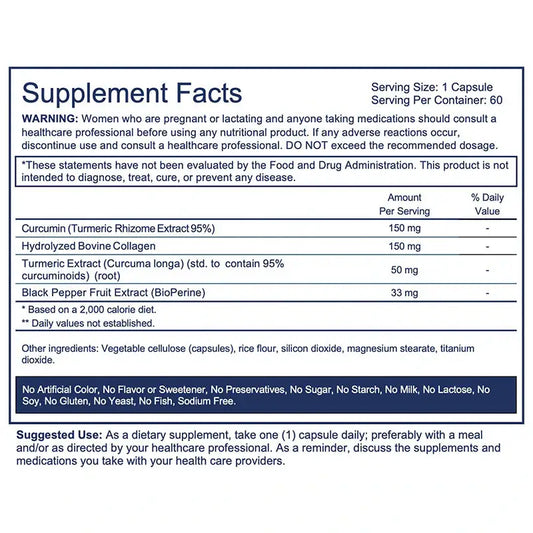
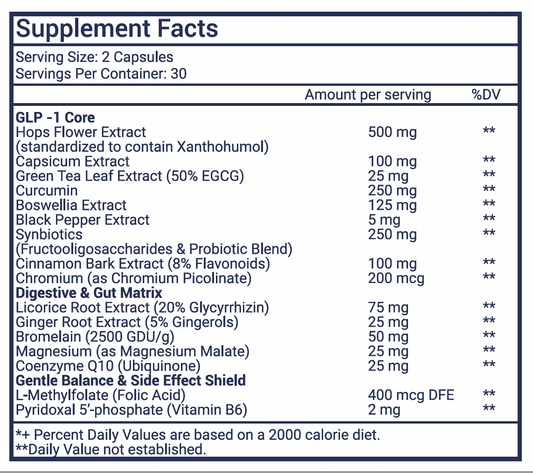
For those seeking natural joint pain relief options, supplements can be incredibly beneficial. Products like Triple Power® Joint Support are formulated to provide relief without side effects associated with certain medications. Rich with natural ingredients, they help in managing inflammation and promoting joint health.
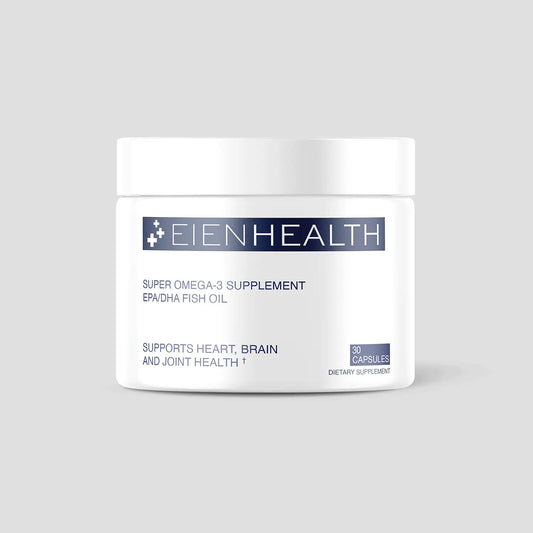
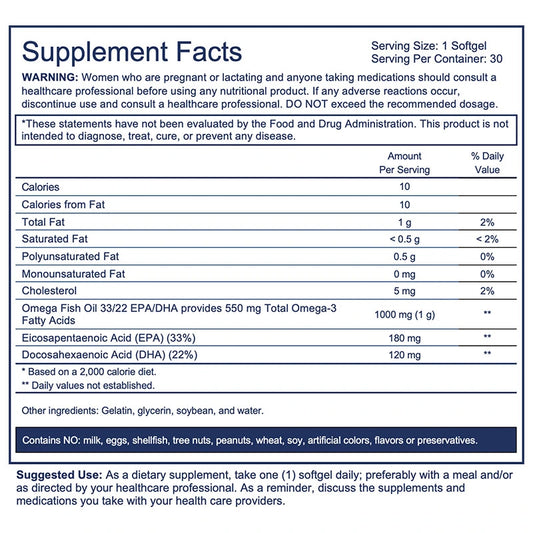
Additionally, Omega-3 fatty acids, found in products such as Super Omega-3 Supplement Fish Oil, are renowned for their anti-inflammatory properties. They support joint flexibility and reduce morning stiffness, contributing to overall joint ache relief.
Joint Ache Relief Through Exercise
While the thought of moving might seem painful initially, consistent gentle exercise is key to managing arthritis. Strengthening the muscles around joints through low-impact activities, like swimming or cycling, can prevent further damage and enable easier movement. Engaging in a routine of simple exercises can markedly improve your comfort. Consider reading our guide on Simple Exercises for Effective Joint Pain Relief for detailed advice.
Nutrition in Joint Health
A balanced diet complements other efforts for joint pain relief. Consuming anti-inflammatory foods like fruits, vegetables, and whole grains can combat inflammation, whereas avoiding processed food can prevent exacerbating joint issues. However, it's comforting to know that achieving joint ache relief doesn't necessitate extreme dietary changes. Our article on Joint Ache Relief Without Extreme Diets offers insights into maintaining a comfortable lifestyle.
Understanding arthritis and exploring effective joint pain solutions is a journey. Equip yourself with knowledge and embrace a blend of natural remedies, appropriate exercise, and focused nutrition. Remember, there’s no one-size-fits-all solution, but by taking strategic steps, you can effectively manage your joint pain and improve your quality of life.
For further resources and support, visit us at Eien Health. We're here to help you navigate the complexities of arthritis and joint pain relief to find the path that best suits your needs.
FAQs
What are the common types of arthritis?
There are several types of arthritis, with osteoarthritis and rheumatoid arthritis being the most common. Osteoarthritis is a degenerative joint disease that results from wear and tear, while rheumatoid arthritis is an autoimmune disorder that affects the lining of the joints.
What are the primary symptoms of arthritis?
Common symptoms of arthritis include joint pain, stiffness, swelling, and decreased range of motion. These symptoms can vary in severity and may worsen after prolonged inactivity or with changes in weather.
What lifestyle changes can help manage arthritis symptoms?
Incorporating a balanced diet rich in anti-inflammatory foods, engaging in regular physical activity, maintaining a healthy weight, and practicing stress-reduction techniques can significantly help manage arthritis symptoms.
Are there any over-the-counter treatments for joint pain?
Yes, over-the-counter treatments such as acetaminophen and nonsteroidal anti-inflammatory drugs (NSAIDs) can provide relief from joint pain and inflammation. However, it's important to consult with a healthcare professional before starting any new medication.
Can physical therapy help with arthritis?
Physical therapy can be incredibly beneficial for individuals with arthritis. It can help improve flexibility, strengthen muscles around the joints, and provide strategies to reduce pain and enhance mobility.
What role does exercise play in managing arthritis pain?
Regular exercise helps maintain joint function, reduces stiffness, and can alleviate pain. Low-impact activities such as swimming, cycling, and walking are generally recommended for individuals with arthritis.
How can hot and cold therapy be used for arthritis relief?
Hot and cold therapies can be effective for arthritis relief. Heat can help relax muscles and improve circulation, while cold therapy can reduce swelling and numb pain. It's often recommended to alternate between both for optimal relief.
When should I seek medical advice for my joint pain?
You should seek medical advice if your joint pain persists for more than a few weeks, worsens, or if you experience significant swelling, redness, or warmth in the joints. Early intervention can lead to better management of your condition.
Are there any alternative treatments for arthritis?
Some people find relief through alternative treatments such as acupuncture, chiropractic care, or herbal supplements. However, it's essential to discuss these with a healthcare provider to ensure they are safe and appropriate for your specific condition.