Looking for ways to manage joint pain while shedding some pounds? The connection between weight loss and joint ache relief might surprise you. Not only does trimming excess weight reduce stress on your joints, but it also helps you achieve natural joint pain relief. Whether you're dealing with arthritis or just everyday joint aches, incorporating weight loss into your routine can be a game-changer.
Table of Contents
- Table of Contents
- Understanding the Link Between Weight and Joint Pain
- Practical Tips to Help You Lose Weight and Alleviate Joint Pain
- 1. Prioritize a Balanced Diet
- 2. Stay Active with Low-Impact Exercises
- 3. Be Mindful of Portion Sizes
- 4. Consider Joint Support Supplements
- Explore Natural Joint Pain Relief Methods
- Take Charge of Your Joint Health Today
- FAQs
Understanding the Link Between Weight and Joint Pain
Weight plays a crucial role in the wear and tear on your joints. Carrying extra pounds increases the pressure on joints, particularly the knees, hips, and back. Shedding even a minor amount of weight can offer significant joint pain relief for arthritis sufferers. With every pound lost, you effectively reduce the load on your weight-bearing joints, making a noticeable improvement in your comfort level.
To dive deeper into how weight affects your joints, check out our article Understanding Arthritis and Joint Pain Relief.
Practical Tips to Help You Lose Weight and Alleviate Joint Pain
1. Prioritize a Balanced Diet

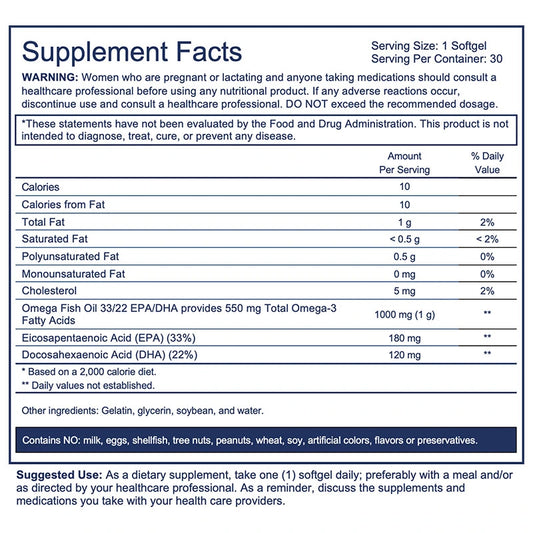
Focus on consuming a diet rich in anti-inflammatory foods, which can naturally aid in pain relief. Incorporate plenty of fruits, vegetables, whole grains, and healthy fats. Omega-3 fatty acids, found in fish, are known for their positive effects on joint health. For an easy way to incorporate Omega-3s into your diet, consider our Super Omega-3 Supplement Fish Oil.
2. Stay Active with Low-Impact Exercises
Regular physical activity strengthens the muscles around your joints, providing better support and stability. Choose low-impact exercises like swimming, cycling, or yoga to minimize strain. For more exercise tips specifically geared towards joint pain relief, read our guide on Simple Exercises for Effective Joint Pain Relief.
3. Be Mindful of Portion Sizes
Keeping an eye on portion sizes is crucial when it comes to weight management. Eating mindfully slows down your eating process and helps you become more aware of your body's hunger cues, preventing overeating.
4. Consider Joint Support Supplements

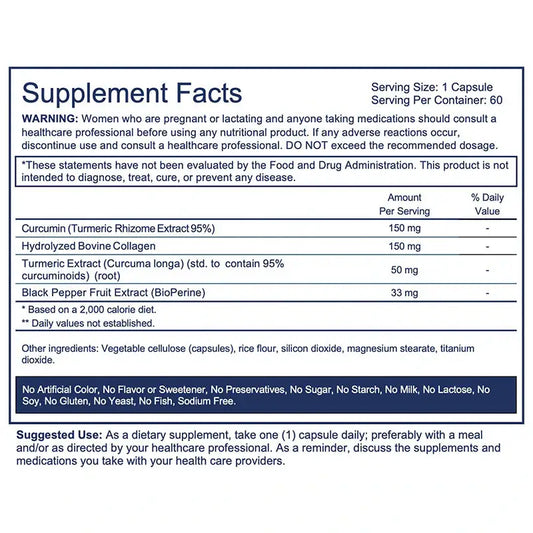
Certain supplements can provide additional joint support and alleviate joint aches. Our Triple Power® Joint Support is designed to aid in maintaining joint health and flexibility, combining well with your efforts to lose weight and manage pain.
Explore Natural Joint Pain Relief Methods
Aside from diet and exercise, there are various natural methods to support joint pain relief. Techniques like acupuncture, physical therapy, and hydration play a significant part in holistic joint care. For those seeking joint ache relief without resorting to extreme measures, our article on Joint Ache Relief Without Extreme Diets offers simple, yet effective strategies.
Take Charge of Your Joint Health Today
Taking small, achievable steps toward weight loss can bring about remarkable improvements in joint pain relief. By incorporating a healthier lifestyle, supported by proper nutrition and gentle exercises, you are on the path to a more comfortable life with less joint ache.
For more tips on maintaining joint health and weight management, visit Eien Health.
FAQs
What is the connection between weight loss and joint pain relief?
Losing weight can significantly reduce the pressure on your joints, especially weight-bearing joints like the knees and hips. This reduction in pressure can lead to decreased inflammation and pain, improving your overall joint health.
What are some effective dietary changes to support weight loss and joint health?
Incorporating anti-inflammatory foods such as fruits, vegetables, whole grains, and healthy fats like omega-3 fatty acids can help with weight loss and alleviate joint pain. It's also important to limit processed foods, sugar, and saturated fats that can contribute to inflammation.
How much weight should I aim to lose for noticeable joint relief?
Even a modest weight loss of 5-10% of your body weight can result in significant reductions in pressure on your joints and can lead to improvements in pain levels and mobility.
What types of exercises are best for losing weight while protecting my joints?
Low-impact exercises such as swimming, cycling, and walking are great for burning calories while minimizing joint strain. Strength training is also crucial, as it helps to build muscle that supports your joints.
Can hydration impact joint health and weight loss?
Yes, staying hydrated helps maintain joint lubrication and can aid in digestion, which is important for weight loss. Proper hydration can also help reduce inflammation and promote overall joint function.
How can I track my weight loss progress effectively?
It's beneficial to keep a food diary or use a mobile app to monitor your calorie intake and exercise. Regularly tracking your weight and taking measurements can help you stay motivated and identify any patterns.
Are there any specific supplements that may benefit joint health during weight loss?
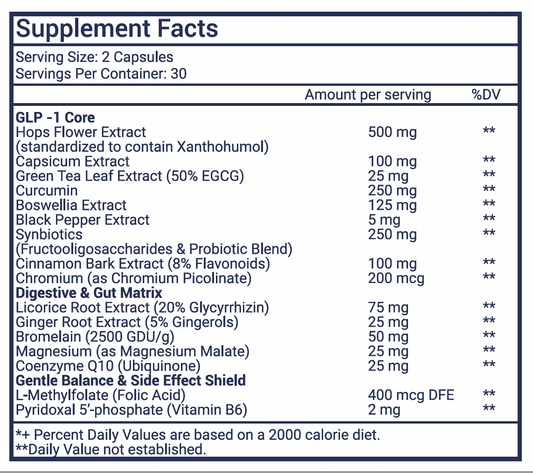
Some individuals find that supplements like glucosamine, chondroitin, or omega-3 fatty acids can support joint health, although it's best to consult with a healthcare professional before starting any new supplement regimen.
Is it advisable to consult with a professional while embarking on a weight loss journey?
Absolutely! Working with a healthcare provider or a registered dietitian can help create a tailored weight loss plan that considers your joint health needs and any other medical conditions.
What can I do if I experience joint pain while trying to exercise?
If you experience joint pain during exercise, it’s important to listen to your body and modify your activities. Consider integrating more gentle forms of movement, such as stretching or yoga, and consult a medical professional if pain persists.
How can maintaining a healthy weight affect my overall quality of life?
Maintaining a healthy weight can enhance your mobility, decrease the risk of chronic diseases, improve your mood, and boost your energy levels. These factors collectively contribute to a better overall quality of life.