Joint pain can significantly impact one's quality of life, leading to discomfort and decreased mobility. While multiple factors contribute to joint pain, there's a growing consensus in the health community about the relationship between weight loss and joint pain relief. Let's explore how shedding a few pounds can make a noticeable difference in the journey to natural joint pain relief.
Table of Contents
- Table of Contents
- The Weight-Joint Pain Connection
- Lifestyle Changes for Weight Loss and Joint Pain Relief
- Diet Adjustments
- Integrating Omega-3
- Exercise and Movement
- Supplements for Joint Support
- Concluding Thoughts
- FAQs
The Weight-Joint Pain Connection
Carrying extra weight increases the load on weight-bearing joints like the knees, hips, and lower back. This additional strain can exacerbate joint pain, especially in individuals with arthritis. In fact, every pound of excess weight can translate to approximately four pounds of extra pressure on the knee joints. Consequently, weight loss can have a profound effect on joint pain relief for arthritis sufferers.
But it's not just about mechanics. Excess body fat is also linked with inflammation, which further contributes to joint ache. Therefore, losing weight not only reduces mechanical stress on the joints but can also lessen inflammatory markers in the body, leading to comprehensive joint pain relief.
Lifestyle Changes for Weight Loss and Joint Pain Relief
Embarking on a weight loss journey doesn't have to be daunting. Here are some effective strategies to consider:
Diet Adjustments
An anti-inflammatory diet can provide multiple benefits. By focusing on whole foods, particularly those rich in omega-3 fatty acids, individuals can help manage joint ache more effectively. Our article on Manage Joint Ache with Healthy Diet offers insightful tips for dietary adjustments that support joint health.
Integrating Omega-3

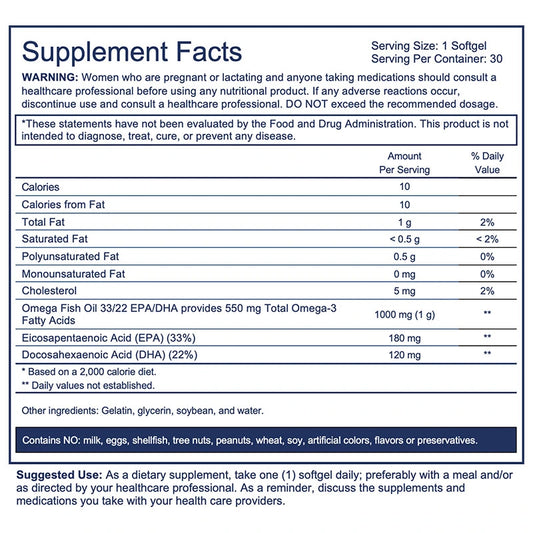
Consider augmenting your diet with supplements for an additional boost. Our Super Omega-3 Supplement Fish Oil is a viable option, rich in fatty acids known to promote joint health and reduce inflammation, driving natural joint pain relief.
Exercise and Movement
Engaging in regular, low-impact exercises can complement dietary efforts. Activities such as swimming, walking, or yoga can strengthen the muscles around the joints, providing additional support and flexibility. Our blog on Arthritis Management for Better Joint Relief offers practical advice on incorporating exercise into a daily routine.
Supplements for Joint Support

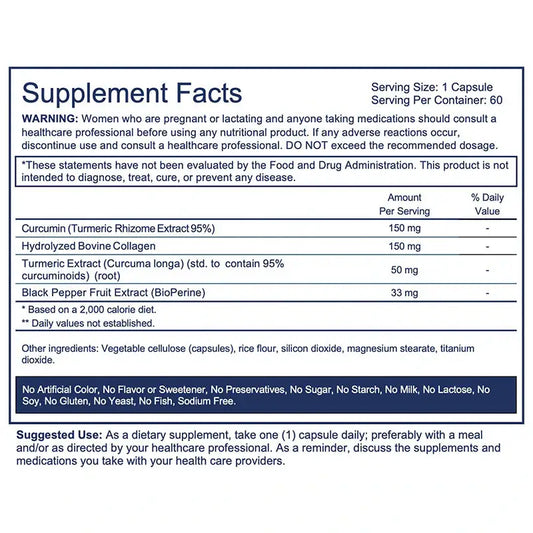
For those seeking enhanced support, incorporating joint-targeted supplements can be beneficial. Our Triple Power® Joint Support is crafted to provide essential nutrients that support joint health. It’s an excellent partner in the quest for joint pain relief, complementing dietary and lifestyle changes effectively.
Concluding Thoughts
Weight loss, when approached with a balanced combination of diet, exercise, and supplements, can play a crucial role in achieving joint pain relief. It’s about making sustainable lifestyle changes that enhance overall well-being and protect the joints from further damage.
As you embark on this journey, remember that patience and consistency are key. Each positive step contributes to a healthier self, reducing joint pain and enhancing your quality of life. For more information and resources on managing joint pain, visit eienhealth.com.
Embark on this transformative journey and feel the change as you reduce weight and embrace joint ache relief naturally.
FAQs
How does weight loss influence joint pain relief?
Weight loss can significantly reduce the pressure on weight-bearing joints, such as the hips, knees, and ankles. This decrease in pressure can help alleviate pain and improve mobility, making it easier to engage in physical activities.
What types of joint pain can benefit from weight loss?
Weight loss is particularly beneficial for individuals suffering from osteoarthritis, rheumatoid arthritis, and other degenerative joint diseases. Lowering body weight may lessen inflammation and improve joint function, leading to reduced pain.
Is there a specific amount of weight loss needed to feel relief from joint pain?
While individual results may vary, even a modest weight loss of 5-10% of total body weight can lead to noticeable improvements in joint pain and function for many individuals.
Can exercise support weight loss and improve joint pain?
Yes, gentle exercises such as swimming, cycling, and walking can help with weight loss while also strengthening the muscles around the joints. This dual benefit can lead to improved joint stability and reduced pain over time.
Should I consult a healthcare provider before starting a weight loss program for joint pain?
Absolutely. It's advisable to speak with a healthcare professional or a registered dietitian before starting a weight loss program, especially if you have existing joint issues. They can provide personalized recommendations based on individual health needs.
Are there dietary changes that can support weight loss and joint health?
Yes, adopting an anti-inflammatory diet rich in fruits, vegetables, whole grains, and healthy fats can support both weight loss and joint health. Foods high in omega-3 fatty acids, like fish and flaxseeds, can also help reduce inflammation.
How long does it typically take to see improvements in joint pain after losing weight?
Improvements can often be felt within weeks of losing weight, but the timeline varies depending on the individual. Consistency in maintaining a healthy weight and engaging in regular physical activity is key to long-term relief.
What role do lifestyle changes play in managing joint pain?
In addition to weight loss, lifestyle changes such as regular physical activity, stress management, and proper sleep hygiene can play critical roles in managing joint pain. These changes can enhance overall well-being and further support weight loss efforts.
Can losing weight help prevent future joint issues?
Yes, maintaining a healthy weight can help lower the risk of developing joint issues down the line. By reducing strain on joints and supporting overall health, weight management can be a proactive measure for joint longevity.