Imagine waking up every morning feeling agile, with your joints free from the relentless ache that once plagued you. While it might sound like a dream, joint pain relief can indeed be a reality through an often overlooked ally—your diet.
Table of Contents
- Table of Contents
- The Power of Nutrition in Alleviating Joint Pain
- Anti-Inflammatory Foods: Nature's Pain Relievers
- Omega-3 Fatty Acids: Essential for Joint Health
- Natural Remedies to Assist Joint Health
- Weight Loss: Lighten the Load
- A Holistic Journey Towards Joint Health
- FAQs
The Power of Nutrition in Alleviating Joint Pain
Our daily nourishment can be a powerful tool in managing joint pain, especially for those battling arthritis. By incorporating certain foods and supplements into your diet, you not only address joint pain but also contribute to weight loss and overall well-being, as a healthy weight plays a critical role in reducing joint strain.
Anti-Inflammatory Foods: Nature's Pain Relievers
One of the cornerstones of managing joint ache is consuming anti-inflammatory foods. Think vibrant fruits like berries, rich in antioxidants, and the healthy fats found in avocados and nuts. These foods counter inflammation, which is a key contributor to joint pain. You can explore more about how everyday foods can help in our article, Joint Pain Remedies with Everyday Foods.
Omega-3 Fatty Acids: Essential for Joint Health

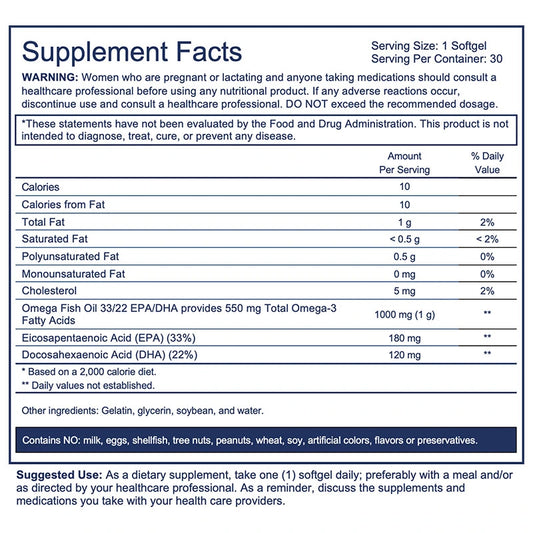
A diet rich in omega-3 fatty acids has been proven beneficial for joint ache relief. These fats, found abundantly in fish oil, help minimize inflammation and soothe stiff joints. Incorporating a quality supplement, like our Super Omega-3 Supplement Fish Oil, can be an effective step towards achieving natural joint pain relief.
Natural Remedies to Assist Joint Health

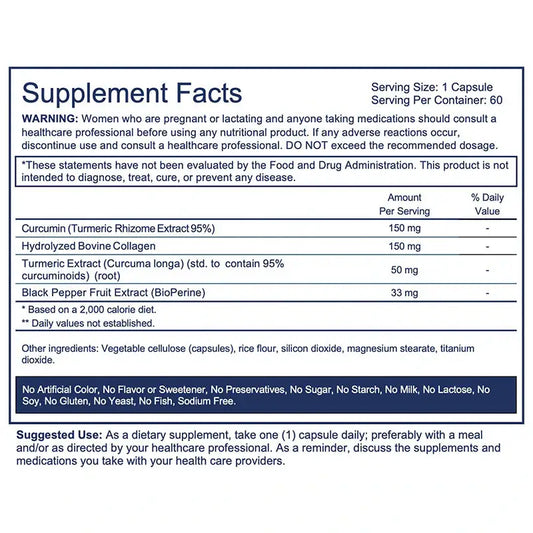
Herbal teas, spices like turmeric, and natural supplements can also contribute significantly to joint pain relief. Beyond dietary changes, consider exploring a comprehensive approach to joint health management with our Triple Power® Joint Support, designed to support your body's natural healing processes.
Weight Loss: Lighten the Load
It's no secret that maintaining a healthy weight can greatly reduce the pressure on your joints, especially if you're looking for joint pain relief for arthritis. Excess weight can exacerbate stress on joints, leading to increased pain and discomfort. A balanced diet combined with regular exercise can aid in weight loss, ultimately leading to less joint strain and improved mobility.
A Holistic Journey Towards Joint Health
Diet is just one piece of the puzzle in joint health. For those suffering from arthritis, combining dietary strategies with lifestyle adjustments can be immensely beneficial. For further reading on managing arthritis effectively, check out Arthritis Management for Better Joint Relief.
Natural joint pain relief demands a holistic approach, intertwining diet, lifestyle, and healthcare choices. Learn more about natural methods in our article, Natural Remedies for Joint Pain Relief.
Incorporating a mindful diet as part of your joint health strategy can be a transformative step. Whether you're looking to alleviate arthritis pain or simply boost your joint health, remember that small, consistent dietary changes can lead to profound impacts. For more wellness tips and support, explore our resources at Eien Health.
Embrace this culinary journey not just as a way to fill your belly, but as a tangible means to achieve joint pain relief and an empowered, active lifestyle.
FAQs
What foods can help reduce joint pain?
Incorporating foods rich in omega-3 fatty acids, such as salmon, walnuts, and flaxseeds, can help reduce inflammation. Additionally, leafy greens, berries, and nuts are high in antioxidants and can support joint health.
Are there any foods I should avoid for joint health?
It's advisable to limit processed foods, sugary drinks, and excessive salt, as these can promote inflammation. Reducing intake of red meat and refined carbohydrates may also benefit those experiencing joint ache.
How does hydration impact joint pain?
Staying hydrated is essential for maintaining joint lubrication and cushioning. Drinking enough water helps to keep the cartilage healthy and can potentially alleviate discomfort associated with joint pain.
Can a weight management plan help with joint ache?
Yes, maintaining a healthy weight reduces stress on weight-bearing joints, such as the hips and knees. A balanced diet and regular physical activity can support weight loss and improve overall joint function.
What role do vitamins and minerals play in joint health?
Vitamins D and C, along with minerals like calcium and magnesium, are vital for maintaining healthy joints. They support bone health and may help alleviate symptoms of joint pain when included in a balanced diet.
Is there a connection between gut health and joint pain?
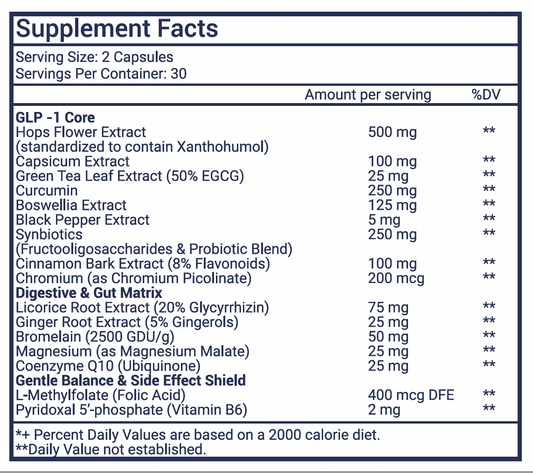
Yes, emerging research suggests that gut health can affect inflammation levels in the body. A diet rich in fiber, fermented foods, and probiotics can promote a healthy gut microbiome, potentially reducing joint pain.
How can I incorporate anti-inflammatory foods into my diet?
Start by including a variety of fruits and vegetables in your meals, as well as whole grains, lean proteins, and healthy fats. Experiment with herbs and spices, like turmeric and ginger, which have anti-inflammatory properties.
Are there specific meal plans that can help with joint ache?
While there isn’t a one-size-fits-all meal plan, focusing on a Mediterranean diet, rich in fruits, vegetables, whole grains, and healthy fats, can be beneficial for joint health. Consulting a nutritionist can help tailor a plan to your needs.
How long will it take to see results from dietary changes?
Results can vary based on individual circumstances, but many people may start to notice improvements in joint discomfort within a few weeks of consistently following a healthy diet and lifestyle changes.