Joint pain is an all-too-common issue affecting people of all ages, from young athletes to seniors. Whether stemming from arthritis or other conditions, the discomfort can make even simple activities challenging. Luckily, incorporating stretching routines into your daily life can provide significant joint pain relief and enhance overall mobility. In this post, we’ll explore effective stretching exercises and discuss how a few supplements can further aid in natural joint pain relief.
Table of Contents
- Table of Contents
- Why Stretching Works
- Morning Stretch Routine
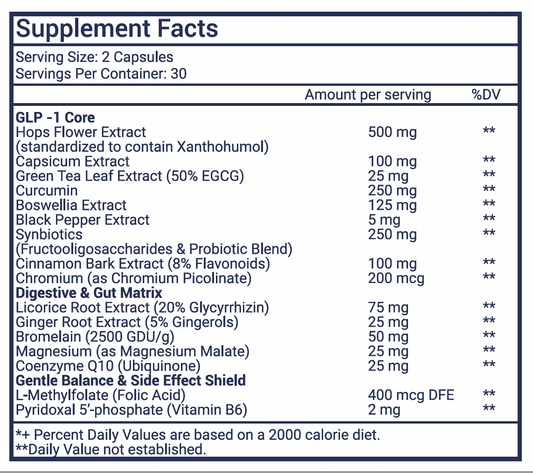
- Integrating Supplements
- The Weight Loss Connection
- Additional Tips
- Conclusion
- FAQs
Why Stretching Works
Stretching offers multiple benefits for joint health. It not only increases flexibility and range of motion but also reduces stiffness and improves circulation. For individuals with arthritis, regular stretching can be particularly beneficial. With guided and consistent practice, joint aches can diminish, paving the way for a more active lifestyle.
Morning Stretch Routine
Kickstart your day with a simple stretching routine designed to alleviate joint pain:
- Neck Stretches: Gently tilt your head to each shoulder, holding for 20 seconds. Repeat 3 times on each side.
- Shoulder Circles: Roll your shoulders backward in circular motions for 30 seconds, then switch direction.
- Wrist Flexor Stretch: Extend one arm straight in front with palm facing out, pulling gently on the fingers with the other hand to deepen the stretch. Hold for 15-20 seconds each side.
- Seated Torso Twist: While seated, place one hand on the back of your chair for support and twist your torso in the direction. Hold for 20 seconds per side.
- Leg Cramps Stretches: Lie on your back, loop a towel around your foot, and gently pull your leg toward your torso.
These stretches can be tailored according to individual flexibility levels and adjusted as needed.
Integrating Supplements

Alongside a consistent stretching regimen, consider integrating supplements that support joint health:
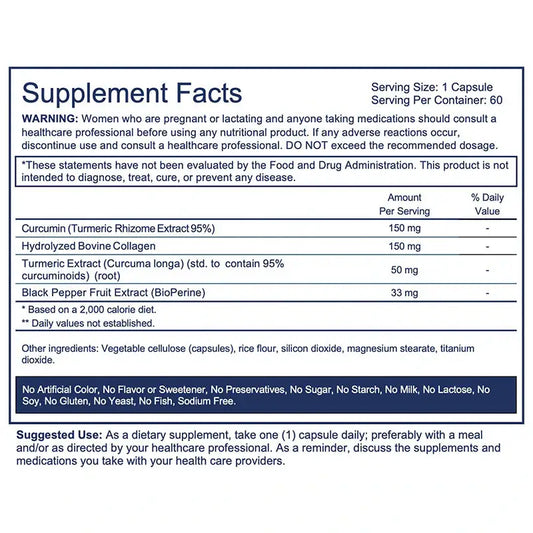
- Triple Power® Joint Support: This supplement is designed to target inflammation and strengthen joint tissue, promoting long-term joint pain relief.
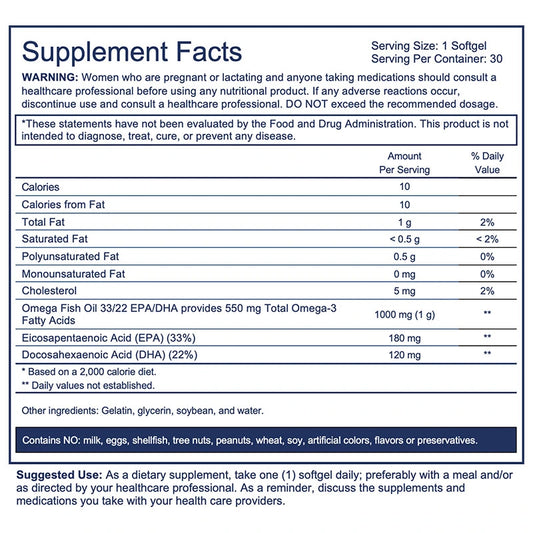
- Super Omega-3 Supplement Fish Oil: Rich in essential omega-3 fatty acids, this supplement supports healthy joints and aids in reducing inflammation.
Explore more in our article on Pain-Relieving Supplements for Joint Health.
The Weight Loss Connection
Weight plays a significant role in the management of joint pain. Excess weight places additional stress on joints, exacerbating pain. As such, weight loss can be an incredibly effective method for joint pain relief, particularly for arthritis sufferers. For detailed insights, check out our article on Joint Pain Relief through Weight Loss.
Additional Tips
Apart from stretching and supplements, there are several other strategies you can employ:
- Warm Baths: A warm soak can ease tension and ready your body for stretching.
- Stay Hydrated: Hydration is key to maintaining joint lubrication and flexibility.
- Maintain Consistency: Regular exercises are crucial for lasting benefits.
Embrace these simple tips for further Joint Ache Relief.
Conclusion
Finding natural joint pain relief doesn’t have to be complex. Daily stretching routines, supplemented with effective dietary additions, can significantly alleviate joint pain. Whether you're dealing with arthritis or sporadic joint aches, incorporating these elements into your routine can offer relief and enhance your quality of life. Learn more about joint health and solutions at Eien Health.
Let's make joint pain a thing of the past, one stretch at a time!
FAQs
What are the benefits of stretching for joint pain relief?
Stretching can improve flexibility, increase blood flow to the joints, and reduce muscle tension, which may alleviate pain and increase range of motion.
How often should I stretch to help with joint pain?
It's generally recommended to stretch at least three to four times a week, but daily stretching can provide even greater relief and improve overall joint function.
What types of stretches are best for joint pain?
Gentle static stretches, dynamic stretches, and range-of-motion exercises are typically beneficial for joint pain. Focus on stretches that target affected areas, such as the hips, knees, and shoulders.
Can I stretch with existing joint pain?
Yes, stretching can often be beneficial even if you are experiencing joint pain. However, it's important to listen to your body and avoid any movements that cause sharp pain.
When should I consult a healthcare professional about joint pain?
If your joint pain persists or worsens despite stretching, or if you experience significant swelling, redness, or immobility, it’s advisable to seek guidance from a healthcare professional.
Are there specific stretching routines recommended for arthritis sufferers?
Yes, those with arthritis may benefit from gentle and low-impact stretches, including range-of-motion exercises that focus on flexibility without putting too much stress on the joints.
How long should each stretching session last?
Each stretching session should ideally last between 10 to 20 minutes, holding each stretch for 15 to 30 seconds while focusing on deep, controlled breathing.
Is it safe to stretch if I have a previous injury?
If you have a previous injury, stretching can still be beneficial, but it’s essential to consult with a healthcare provider to ensure you avoid exacerbating the condition.
What is the best time of day to perform stretching routines?
Many people find stretching in the morning helps to relieve stiffness and prepare their joints for the day ahead, while others prefer to stretch in the evening to unwind and relax. The best time is when it fits into your routine comfortably.