Joint pain is a common affliction that affects millions of people worldwide. Whether it's from arthritis, an old sports injury, or wear and tear, the pain can be debilitating. Luckily, there are several approaches to joint ache relief, ranging from lifestyle changes to natural remedies. In this article, we'll explore simple yet effective strategies to help alleviate your joint discomfort.
Table of Contents
- Table of Contents
- Embrace an Active Lifestyle
- Weight Loss for Joint Pain Relief
- Natural Supplements for Joint Pain Relief
- Explore Herbal Remedies
- Prioritize Rest and Recovery
- FAQs
Embrace an Active Lifestyle
Engaging in regular physical activity can significantly reduce joint pain. Exercise helps strengthen the muscles around your joints and improves flexibility, both of which support joint health. Low-impact exercises like swimming, tai chi, or cycling are excellent choices. For those struggling with arthritis, consider starting with gentle stretches and gradually increasing intensity. Regular activity not only aids in joint pain relief but also contributes to overall health improvement.
Weight Loss for Joint Pain Relief
Maintaining a healthy weight is crucial for joint health. Excess weight puts additional stress on your joints, particularly those in the knees and hips. By achieving and maintaining your ideal weight, you can reduce the pressure on your joints and alleviate pain. If you're looking for guidance on this journey, check out our article, Joint Pain Relief through Weight Loss, for more tips and strategies.
Natural Supplements for Joint Pain Relief

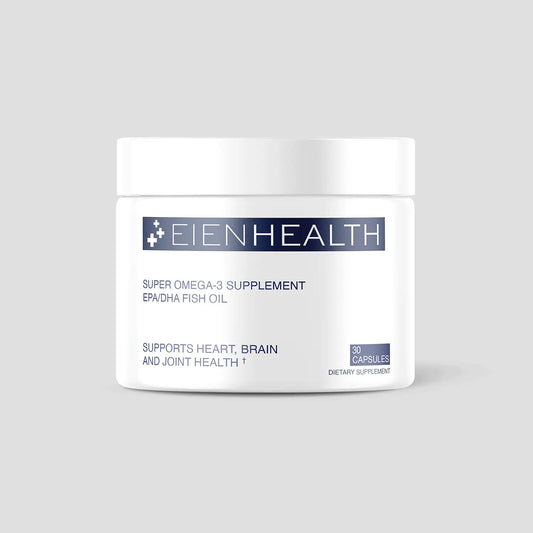
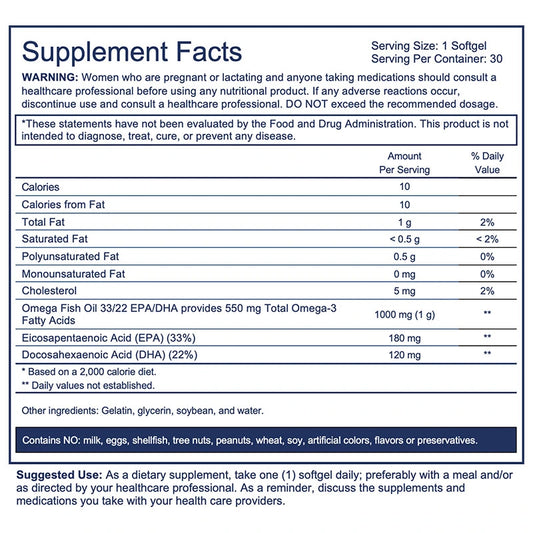
Incorporating supplements into your daily routine may also be beneficial. Supplements like Omega-3 fatty acids are renowned for their anti-inflammatory properties, which can provide natural joint pain relief. Look no further than our Super Omega-3 Supplement Fish Oil to support your joint health.
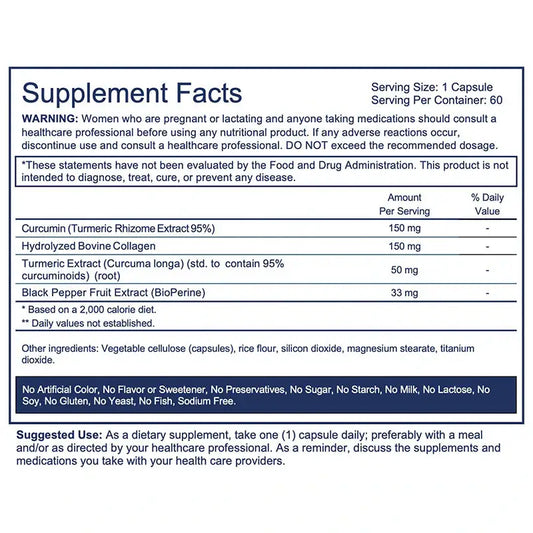
Another powerful option is our Triple Power® Joint Support, specifically designed to promote joint pain relief for arthritis. This supplement works by targeting inflammation and promoting cartilage health, making it an excellent addition to your pain relief regimen. Learn more about the benefits of such supplements in our article, Pain-Relieving Supplements for Joint Health.
Explore Herbal Remedies
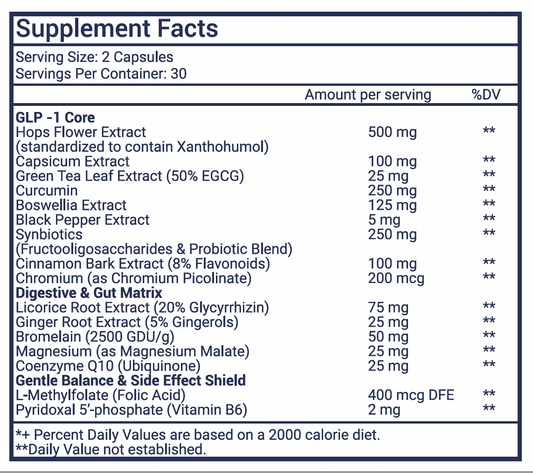
Herbal remedies have been used for centuries to ease joint discomfort. Natural ingredients like turmeric, ginger, and boswellia have anti-inflammatory properties that can aid in joint ache relief. These herbs can be consumed in various forms, such as teas, capsules, or simply added to your meals. Delve deeper into the benefits of these remedies in our comprehensive guide, Herbal Remedies for Joint Pain Relief.
Prioritize Rest and Recovery
Finally, never underestimate the power of adequate rest and recovery. Giving your body time to heal after physical activity is crucial to manage joint pain. Consider incorporating relaxation techniques such as yoga or meditation into your routine to reduce stress and tension, which can exacerbate pain.
In conclusion, effective joint ache relief often requires a multifaceted approach. By combining physical activity, weight management, natural supplements, and traditional remedies, you can alleviate joint discomfort and improve your quality of life. For more information and quality products, visit our website at Eien Health.
FAQs
What are some natural remedies for joint ache relief?
Natural remedies include using hot and cold compresses, applying turmeric paste, and incorporating foods rich in omega-3 fatty acids like fish, walnuts, and flaxseeds into your diet.
How can I improve my joint mobility?
Regular gentle stretching and low-impact exercises like swimming or walking can help improve joint mobility. It's also beneficial to practice yoga or tai chi, which promote flexibility and strength.
Should I see a doctor for persistent joint pain?
Yes, if you experience persistent or severe joint pain, it's important to consult with a healthcare professional to determine the underlying cause and receive appropriate treatment.
Can weight management help alleviate joint pain?
Absolutely! Maintaining a healthy weight can reduce stress on weight-bearing joints, leading to less pain and improved mobility.
Is it safe to use over-the-counter pain relievers for joint aches?
Most over-the-counter pain relievers can provide temporary relief from joint discomfort. However, it's advisable to follow the dosage instructions and consult a healthcare provider for long-term use.
How does hydration affect joint health?
Staying hydrated is crucial for joint health as it helps maintain the synovial fluid that lubricates joints, reducing friction and discomfort during movement.
Are there specific exercises that can alleviate joint pain?
Yes, low-impact exercises like cycling, swimming, and yoga can help strengthen the muscles around the joints while minimizing strain, providing relief from pain.
What role does diet play in joint health?
A diet rich in anti-inflammatory foods, such as fruits, vegetables, whole grains, and healthy fats, can assist in managing joint pain and improving overall joint health.
How important is rest for joint recovery?
Rest is essential for joint recovery, as it allows the body to heal and reduces inflammation. It's important to balance activity with adequate rest to support joint health.