Joint pain is an all-too-common struggle for many, impacting daily activities and quality of life. Whether it's the occasional joint ache or persistent discomfort due to arthritis, finding effective joint pain relief can feel like a daunting task. However, simple changes and natural solutions can pave the way to a life with less discomfort and more freedom to move.
Table of Contents
- Table of Contents
- Natural Joint Pain Relief Strategies
- Embrace the Power of Omega-3
- Weight Loss as a Pathway to Joint Ache Relief
- Shedding Pounds for Joint Health
- Supplement for Enhanced Joint Support
- Crafting a Holistic Approach to Joint Care
- FAQs
Natural Joint Pain Relief Strategies
One promising route is exploring natural joint pain relief options that complement your lifestyle. These solutions often focus on enhancing mobility while minimizing the reliance on medication. Incorporating anti-inflammatory foods, regular exercises, and supplements can work wonders.
Embrace the Power of Omega-3

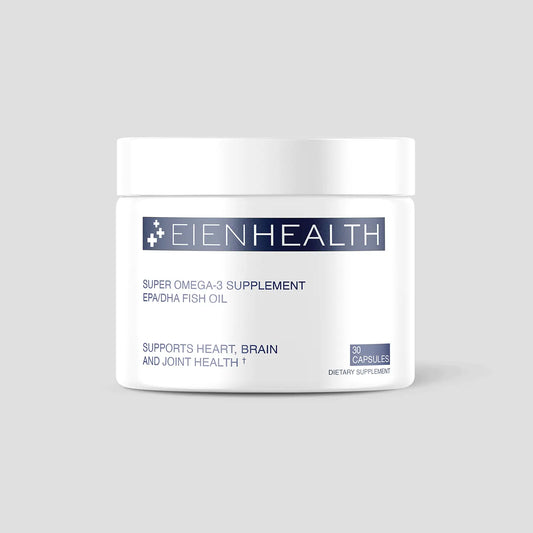
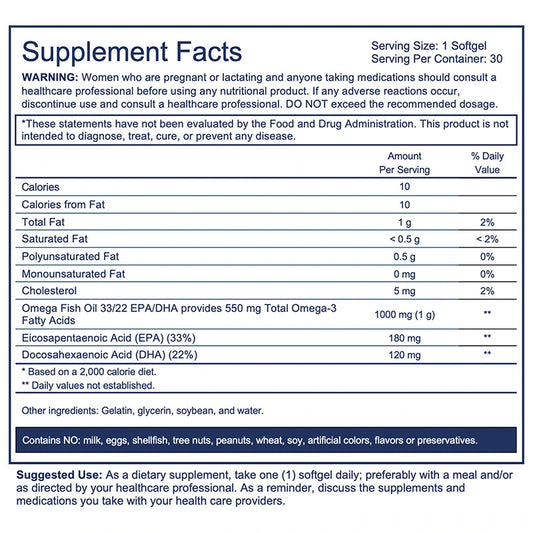
Omega-3 fatty acids have shown great potential in fighting inflammation and providing joint pain relief, especially for arthritis sufferers. Including Omega-3-rich foods in your diet, like salmon and walnuts, can support joint health. For those seeking a more concentrated source, consider Super Omega-3 Supplement Fish Oil, which is designed to deliver powerful anti-inflammatory benefits that promote joint comfort and overall well-being.
Weight Loss as a Pathway to Joint Ache Relief
An often overlooked approach to reducing joint pain is managing your weight. Excess weight puts additional stress on your joints, exacerbating discomfort and pain. Significant improvements in joint function can often be observed with modest weight loss, making it a crucial component of any joint ache relief plan.
Shedding Pounds for Joint Health
Taking steps to lose weight can dramatically ease the burden on your joints, especially your knees and hips. Engaging in low-impact exercises like swimming, cycling, or yoga can facilitate weight loss while offering joint-friendly movement. For more insights on how weight affects joint health, read our article on Weight Loss Helps Ease Joint Ache.
Supplement for Enhanced Joint Support

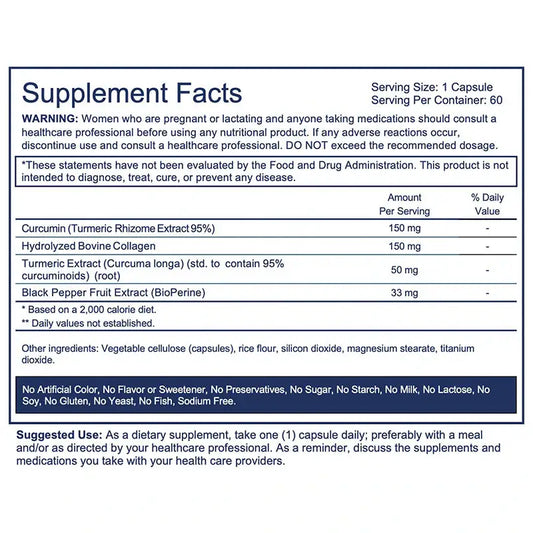
In addition to dietary and lifestyle modifications, supplements offer an extra layer of support for those dealing with joint pain. Triple Power® Joint Support is formulated to enhance joint health through a combination of ingredients designed to support cartilage, reduce inflammation, and improve joint flexibility. For individuals seeking joint pain relief for arthritis, integrating such a supplement could be the key to reclaiming mobility and comfort.
Crafting a Holistic Approach to Joint Care
The journey to achieving joint comfort is not a one-size-fits-all path. It's about crafting a personalized plan that encompasses diet, exercise, lifestyle alterations, and strategic supplementation. With patience and persistence, the road ahead can become one filled with more freedom and less restriction.
For more comprehensive strategies, explore our article on Effective Strategies to Fight Arthritis Symptoms to better understand the variety of tools and methods available.
By integrating these approaches, you can foster a healthier joint environment and alleviate the discomfort that often impedes daily life. For more information and resources on joint health, visit Eien Health.
FAQs
What are some everyday habits that can help improve joint comfort?
Incorporating gentle exercise, maintaining a healthy weight, and ensuring proper hydration can all contribute to better joint comfort. Activities like swimming or yoga can enhance flexibility and strengthen surrounding muscles.
How does diet impact joint health?
A well-balanced diet rich in anti-inflammatory foods, such as fruits, vegetables, nuts, and fatty fish, can help reduce joint discomfort. Foods high in omega-3 fatty acids and antioxidants are particularly beneficial for joint health.
Are there specific exercises recommended for joint comfort?
Low-impact exercises such as walking, cycling, and aquatic activities are ideal for promoting joint mobility without causing strain. Stretching and strengthening exercises also help support the joints effectively.
Can stretching really improve joint mobility?
Yes, regular stretching can enhance flexibility and range of motion in the joints, which may reduce stiffness and discomfort over time. Incorporating a stretching routine into your daily activities can foster better joint health.
Is there any benefit to using heat or cold therapy for joint discomfort?
Both heat and cold therapy can provide relief for joint discomfort. Heat can relax muscles and increase circulation, while cold therapy can help reduce swelling and numb sharp pain.
What role does proper footwear play in joint comfort?
Wearing supportive and well-fitted shoes can significantly impact joint comfort, especially in weight-bearing activities. Good footwear helps maintain proper alignment and minimizes stress on the joints.
How often should I incorporate rest into my routine for joint health?
Listening to your body is crucial. It’s important to incorporate regular rest periods into your activities, especially if you experience discomfort. Balancing activity with adequate rest allows your joints to recover and prevents overuse injuries.
Can mindfulness practices benefit joint health?
Absolutely! Mindfulness practices such as meditation and deep breathing can help reduce stress, which is known to exacerbate pain and discomfort. Managing stress effectively can lead to greater overall joint comfort.
Are there any natural supplements that might support joint health?
Certain natural supplements, like glucosamine and turmeric, have been reported to support joint health. However, it’s essential to consult with a healthcare provider before starting any supplement regimen.
How can I tell if my joint discomfort is something serious?
Persistent joint pain, swelling, or changes in mobility that do not improve with self-care should be evaluated by a healthcare professional. It's important to address any concerning symptoms early to prevent further complications.