Joint pain can be a debilitating condition that affects many aspects of daily life. Whether it's arthritis or general joint discomfort, finding effective ways for joint pain relief is pivotal. One often overlooked solution is weight loss. Indeed, shedding those extra pounds can not only benefit your overall health but also significantly alleviate joint pain.
Table of Contents
- Table of Contents
- Understanding the Connection
- Weight Loss and Arthritis Relief
- Strategies for Effective Weight Loss
- Incorporate a Healthy Diet
- Stay Active
- Additional Support for Joint Health
- Embrace the Journey
- FAQs
Understanding the Connection
The science behind how weight loss helps reduce joint pain is simple yet impactful. Quite literally, every pound of extra weight you carry adds four pounds of pressure on your knees. Imagine the immense relief your joints could experience by shedding just a few pounds! This natural joint pain relief strategy emphasizes that losing weight doesn’t just transform your physique; it transforms how you move and feel.
Weight Loss and Arthritis Relief
For many, joint pain is synonymous with arthritis—a chronic condition affecting millions globally. Weight loss can play a critical role in managing arthritis and finding joint pain relief for arthritis sufferers. Research suggests that people with arthritis who lose as little as 10-20 pounds could significantly slow the disease's progression and ease symptoms. And as we address in Managing Arthritis with Simple Lifestyle Adjustments, combining weight loss with other lifestyle changes can make a noticeable difference.
Strategies for Effective Weight Loss
Of course, weight loss isn't just about diet; it's about embracing a holistic lifestyle change. Here’s how you can start your own journey towards joint ache relief through weight management:
Incorporate a Healthy Diet

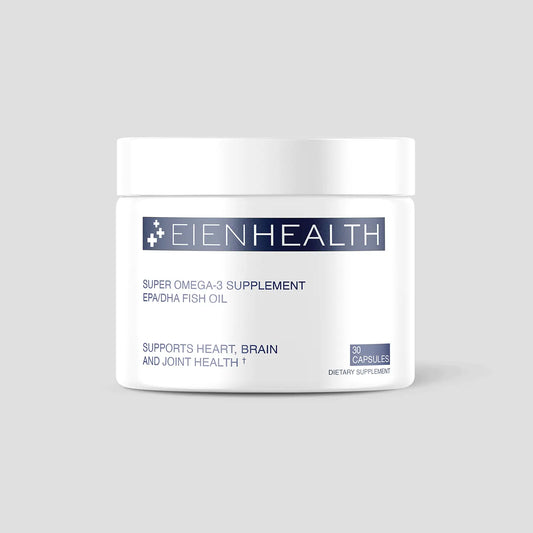
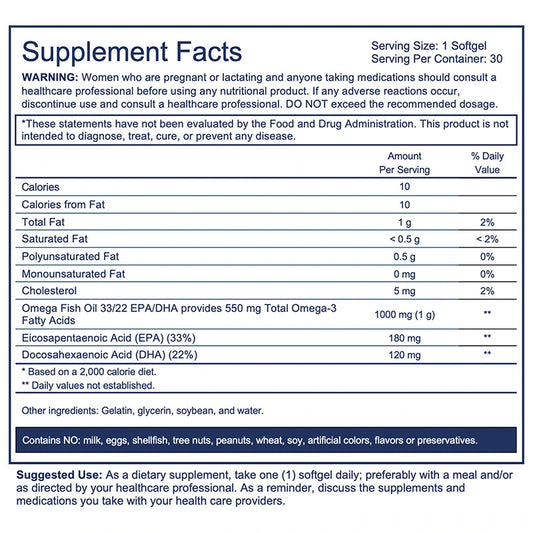
Creating a balanced diet that is rich in anti-inflammatory foods can aid in weight loss and joint pain relief. Omega-3 fatty acids, found in fish and supplements like Super Omega-3 Supplement Fish Oil, offer natural joint pain relief by reducing inflammation. Consider boosting your meals with these essential fats to support your weight loss and joint health goals.
Stay Active
Regular exercise is crucial to any weight loss plan. Activities like swimming, cycling, or even walking are low-impact exercises that keep you moving without putting undue strain on your joints. You can explore helpful tips to stay active through pain in our article, Boost Comfort with Practical Joint Ache Tips.
Additional Support for Joint Health

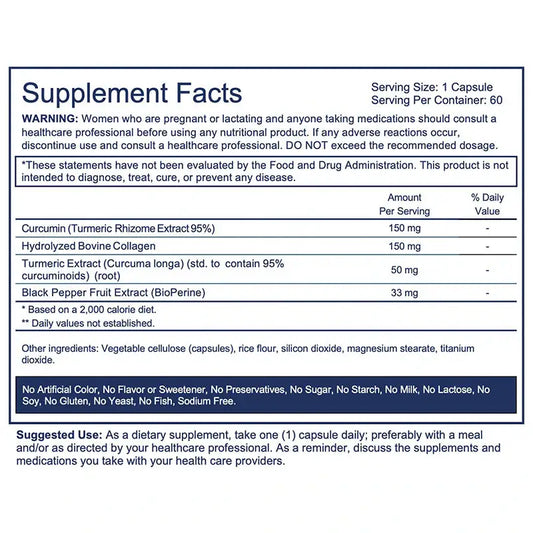
While weight loss is a powerful tool, supplementing your approach with joint support products can be beneficial. The Triple Power® Joint Support can be a vital component for those seeking enhanced joint health. It combines naturally derived ingredients that complement your weight loss efforts, providing a comprehensive approach to obtaining joint ache relief.
Embrace the Journey
The path to weight loss isn't just about looking better; it's about feeling better. By choosing to embark on a weight loss journey, you're making a commitment to take one of the best natural joint pain relief paths available—one that supports both your physical and mental well-being.
Remember, every step you take towards losing those extra pounds is a step away from joint pain. For more insights and natural tips, explore the Home Remedies to Soothe Aching Joints article, which offers various holistic methods that incorporate weight management strategies.
To learn more about how you can integrate these practices into your lifestyle, visit Eien Health and start your path to freedom from joint ache today.
FAQs
What is the connection between weight loss and joint pain relief?
Weight loss can significantly reduce the stress placed on joints, particularly in weight-bearing areas such as the knees and hips. Lowering body weight decreases inflammation and pressure on these joints, which can alleviate pain and improve mobility.
How much weight should I lose to experience relief from joint pain?
There isn't a one-size-fits-all answer, as the amount of weight loss needed varies by individual. However, studies indicate that losing just 5-10% of your body weight can lead to noticeable improvements in joint pain and function.
Is there a specific diet recommended for weight loss that benefits joint health?
A balanced diet rich in anti-inflammatory foods, such as fruits, vegetables, whole grains, lean proteins, and healthy fats, can support weight loss and joint health. Omega-3 fatty acids, found in fish and flaxseeds, may also help reduce inflammation.
Can exercise help with both weight loss and joint pain?
Yes, regular exercise is crucial for weight management and enhancing joint function. Low-impact activities like swimming, cycling, and walking can help you lose weight while being gentle on the joints, leading to less discomfort.
Are there any specific exercises recommended for individuals with joint pain?
Strengthening and stretching exercises that target the muscles around the joints can be beneficial. Techniques such as yoga or physical therapy exercises tailored to your needs can improve flexibility, strength, and pain management.
What role does hydration play in joint health and weight loss?
Staying hydrated is essential for maintaining joint lubrication and overall health. Proper hydration can aid in weight loss by helping you feel full and supporting metabolic processes.
How quickly can I expect to see improvements in my joint pain after losing weight?
The timeline for relief can vary, but many individuals report noticeable improvements within weeks of losing weight. Consistency in weight loss and exercise is key to experiencing long-term benefits.
Are there any risks associated with rapid weight loss for joint health?
Rapid weight loss can lead to muscle loss and weaken joint support structures, possibly exacerbating pain. A gradual, steady approach to weight loss is generally safer and more sustainable for joint health.
Should I consult a healthcare professional before starting a weight loss plan?
Yes, consulting with a healthcare professional or a registered dietitian is recommended, especially if you have existing health concerns or chronic pain. They can provide personalized guidance to ensure your weight loss approach is safe and effective.