Joint pain is more than just a minor annoyance. For those living with arthritis or other joint-related conditions, it can be a daily impediment. But did you know that the path to joint pain relief might start right in your kitchen? By incorporating certain foods into your diet, you can naturally support your body’s ability to ease joint ache and improve overall joint health. In this blog post, we’ll explore the best foods for joint ache relief and how they contribute to effective, natural joint pain management.
Table of Contents
- Table of Contents
- The Power of Omega-3 Fatty Acids
- Antioxidant-Rich Foods
- Embrace Leafy Greens
- Spices that Heal
- Manage Your Weight
- Powerful Joint Support Supplements
- FAQs
The Power of Omega-3 Fatty Acids

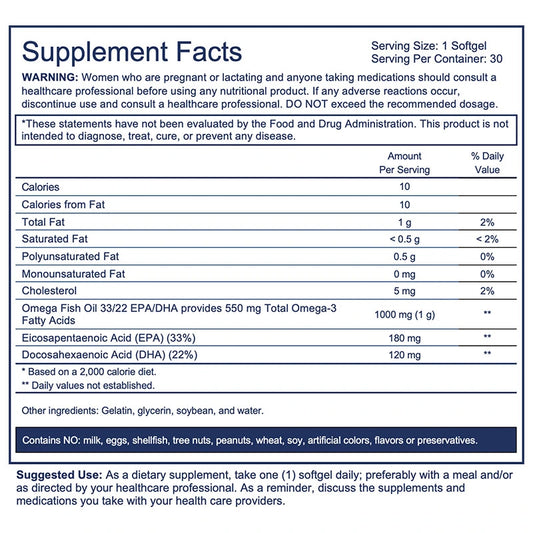
Omega-3 fatty acids are a potent ally in combating inflammation, which is a significant contributor to joint pain. Found in fatty fish like salmon, mackerel, and sardines, Omega-3s are known for their ability to provide relief for those suffering from joint pain and arthritis. They work by reducing the production of inflammatory chemicals in the body. For those who may not consume fish regularly, the Super Omega-3 Supplement Fish Oil can help bridge the gap and ensure you're getting this essential nutrient daily.
Antioxidant-Rich Foods
Antioxidants play a crucial role in shielding the body from oxidative stress, which can exacerbate joint pain. Fruits like blueberries, strawberries, and cherries are packed with antioxidants. These fruits can help minimize inflammation and provide significant joint pain relief.
Learn more about how antioxidants contribute to natural joint pain relief by checking out our detailed article on Natural Solutions for Joint Pain Relief.
Embrace Leafy Greens
Leafy greens such as spinach, kale, and broccoli are rich in vitamins and minerals that promote joint health. They contain calcium and vitamin K, both of which are essential for maintaining strong bones and joints. Incorporating these vegetables into your daily meals can contribute to significant joint ache relief.
Spices that Heal
Don’t underestimate the healing power of your spice rack. Turmeric, with its active compound curcumin, serves as a robust anti-inflammatory agent. Adding turmeric to your diet can contribute to natural joint pain relief. Similarly, ginger has anti-inflammatory properties and can be a great addition to recipes for anyone looking to ease joint discomfort.
Manage Your Weight
Weight plays a critical role in joint pain, especially as excess pounds put additional strain on the joints, particularly the knees, hips, and back. Implementing effective weight management tactics can help reduce this burden and improve joint health. For more strategies on weight management for joint pain relief, refer to our article on Effective Weight Management for Joint Pain Relief.
Powerful Joint Support Supplements

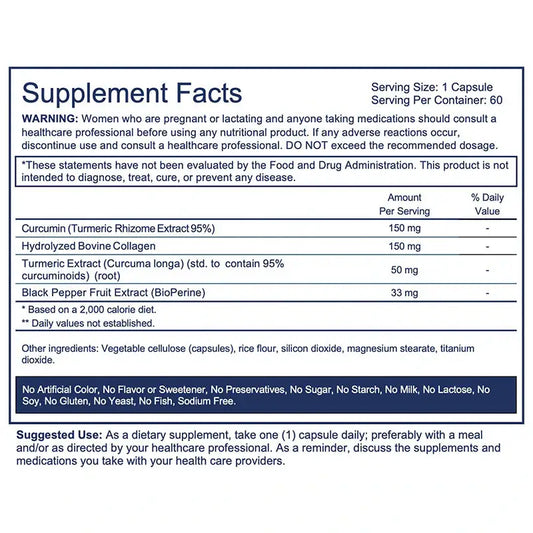
In addition to dietary changes, supplements can offer additional support for those seeking joint pain relief. The Triple Power® Joint Support product is specifically designed to support joint health and ease discomfort. It combines powerful, natural ingredients aimed at reducing inflammation and enhancing joint function.
For detailed tactics on natural relief, explore Natural Joint Pain Relief Tactics Uncovered.
By making conscious food choices and considering the integration of high-quality supplements, you can embark on a path towards effective, natural joint pain relief. Remember to explore these paths and find what works best for your unique needs. For more insights and products dedicated to your health, visit Eien Health and learn how small dietary changes can yield significant benefits in your quest for joint ache relief.
FAQs
What types of foods are most beneficial for joint ache relief?
Foods rich in omega-3 fatty acids, such as fatty fish like salmon, mackerel, and sardines, are excellent for reducing inflammation. Additionally, fruits and vegetables high in antioxidants, such as berries and leafy greens, can also help alleviate joint pain.
Are there specific spices that can help with joint pain?
Yes, spices like turmeric and ginger are known for their anti-inflammatory properties. Incorporating these into your meals can provide additional relief for aching joints.
Can I manage joint pain through my diet alone?
While diet plays a crucial role in managing joint pain, it is best used in conjunction with other treatments and lifestyle changes. Regular exercise, physical therapy, and proper medical advice are also important in managing chronic pain effectively.
Is it beneficial to avoid certain foods if I have joint pain?
Yes, avoiding processed foods, excessive sugar, and refined carbohydrates can help reduce inflammation. Foods high in trans fats may also exacerbate joint issues, so focusing on whole, unprocessed foods is recommended.
How does hydration impact joint health?
Staying well-hydrated is essential for maintaining joint health. Water helps to keep the cartilage in joints lubricated, which can prevent stiffness and discomfort. Aim to drink enough water throughout the day to support your overall health.
Are there any dairy products that can aggravate joint pain?
Some people may find that full-fat dairy products can contribute to inflammation and joint pain. If you notice increased discomfort after consuming dairy, it may be helpful to reduce your intake or switch to low-fat or plant-based alternatives.
Can supplements play a role in supporting joint health?
Certain supplements, such as glucosamine and chondroitin, may help some individuals with joint pain. However, it's best to consult with a healthcare professional before starting any new supplement regimen.
How important is a balanced diet in relation to joint health?
A balanced diet rich in vitamins and minerals is vital for overall joint health. Nutrients like vitamin C, vitamin D, and calcium play significant roles in maintaining healthy joints and reducing the risk of pain.
Are there any specific diets that may help alleviate joint pain?
Mediterranean and anti-inflammatory diets are often recommended for joint pain relief. These diets emphasize whole foods, healthy fats, and plenty of fruits and vegetables while limiting processed foods and sugars.