Joint pain can be a debilitating condition that affects many aspects of daily life. For those suffering from arthritis or other joint-related issues, finding effective relief is crucial. Interestingly, weight management plays a significant role in alleviating joint discomfort. In this blog post, we'll explore how effective weight management can aid in joint pain relief, particularly for arthritis, and discuss natural methods and supplements that can help.
Table of Contents
- Table of Contents
- The Connection Between Weight Loss and Joint Pain Relief
- Natural Approaches to Joint Pain Relief
- Supplements to Support Joint Health
- Joint Pain Relief for Arthritis
- Conclusion
- FAQs
The Connection Between Weight Loss and Joint Pain Relief
Excess weight puts additional stress on weight-bearing joints like the knees and hips, exacerbating pain levels. Studies suggest that shedding even a small amount of weight can result in significant joint ache relief. For example, losing just 10 pounds can relieve up to 40 pounds of pressure from your knees. Achieving a healthy weight can not only reduce pain but also improve mobility and quality of life.
For those interested in learning more about this relationship, check out our detailed article, Lifestyle Strategies for Joint Pain and Weight Loss.
Natural Approaches to Joint Pain Relief
While weight loss can have a significant impact on joint pain relief, incorporating natural remedies can enhance these effects. Adopting a balanced diet rich in anti-inflammatory foods like fish, nuts, and leafy greens can help reduce joint inflammation and pain.
For those seeking additional support, Unlocking Natural Joint Pain Relief Secrets offers some insightful tips on natural remedies.
Supplements to Support Joint Health

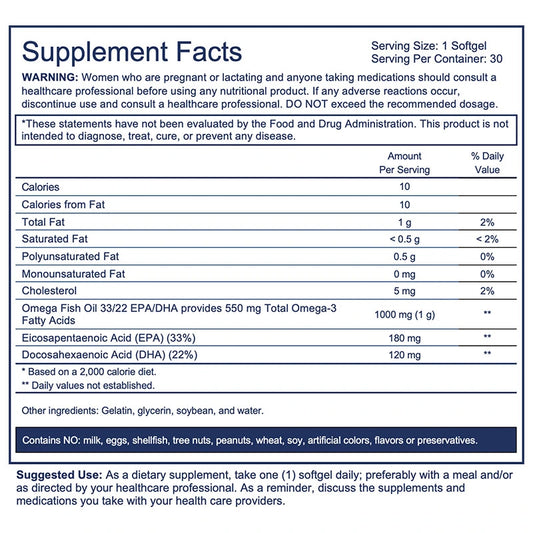
- Super Omega-3 Supplement Fish Oil: Rich in omega-3 fatty acids, this supplement can help reduce inflammation and lubricate the joints, aiding in pain reduction. Find out more about this beneficial supplement here.
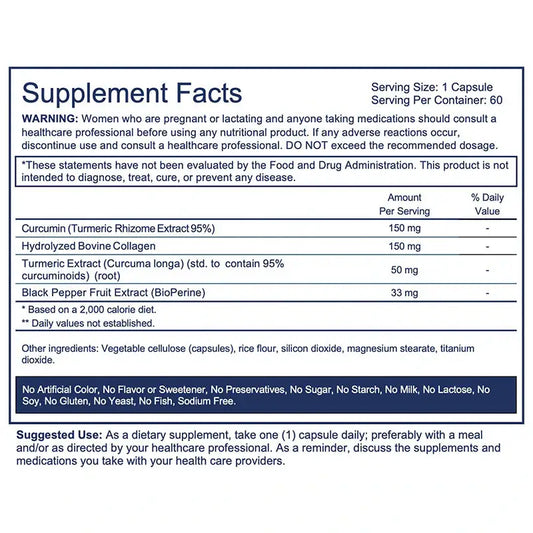
- Triple Power® Joint Support: Formulated to provide comprehensive support for joint health, this product can help improve flexibility and reduce pain and inflammation. Learn more about it here.
Joint Pain Relief for Arthritis
For those specifically struggling with arthritis, weight management can be especially beneficial. By avoiding excessive weight on the joints, you increase your odds of managing your arthritis symptoms effectively. For an in-depth look at joint pain relief strategies for arthritis, refer to our article Unveiling Joint Pain Relief for Arthritis.
Conclusion
Managing your weight effectively can contribute significantly to joint pain relief, improving both comfort and mobility. By combining weight loss with natural remedies like dietary changes and supplements, you can create a holistic approach to managing joint pain. For more resources on achieving wellness and managing joint pain, visit our website.
Remember, effective weight management is not just about numbers on a scale; it's about improving your overall well-being and enjoying a life with less discomfort.
FAQs
How does weight management help alleviate joint pain?
Maintaining a healthy weight reduces the stress on weight-bearing joints, such as the knees and hips. This decreased pressure can lead to reduced pain, improved mobility, and a lower risk of joint-related issues.
What are some effective strategies for losing weight?
Effective weight loss strategies include adopting a balanced diet rich in whole foods, incorporating regular physical activity tailored to your ability, and setting realistic, achievable goals. It’s also beneficial to seek support from healthcare professionals or weight management programs.
Is there a specific diet recommended for joint pain relief?
While no single diet fits everyone, foods rich in omega-3 fatty acids, antioxidants, and anti-inflammatory properties, such as fatty fish, leafy greens, nuts, and seeds, can be helpful. Reducing processed foods and added sugars can also have a positive impact on joint health.
How can physical activity assist in weight management and joint pain relief?
Engaging in low-impact exercises such as swimming, cycling, or walking can promote weight loss while minimizing strain on the joints. Strength training exercises can also help by building muscle support around joints, which can alleviate pain over time.
What role does hydration play in joint health and weight management?
Staying hydrated is essential for overall health and can benefit joint lubrication. Proper hydration helps maintain the elasticity of cartilage and may aid in the digestion and absorption of nutrients critical for weight loss.
Can weight loss really improve mobility in individuals with joint pain?
Yes, losing excess weight can significantly enhance mobility by reducing joint stress, increasing flexibility, and improving muscle strength. This often leads to better overall physical function and an increased ability to engage in daily activities.
Are there any specific exercises recommended for individuals with joint pain?
Low-impact exercises like water aerobics, yoga, and Pilates can be beneficial for individuals with joint pain. These activities help maintain flexibility and strength while minimizing the risk of further injury.
How important is it to consult a healthcare professional during weight management?
Consulting a healthcare professional is crucial, especially for those dealing with chronic pain or medical conditions. They can provide personalized advice, recommend safe exercise regimens, and help monitor your progress effectively.
What lifestyle changes can support long-term weight management for joint health?
Incorporating regular physical activity, eating a balanced diet, managing stress, getting adequate sleep, and avoiding smoking can create a healthier lifestyle that supports long-term weight management and joint health.