Joint pain and weight loss are intricately linked in more ways than one. On one hand, maintaining a healthy weight helps reduce stress on the joints, while on the other, effective joint pain relief can motivate a more active lifestyle, aiding in weight loss. If your quest is for natural joint pain relief or reducing the pesky joint ache that often demotivates an active routine, it's time to consider some lifestyle strategies that offer a harmonious balance between the two.
Table of Contents
- Table of Contents
- Understanding the Connection
- Balancing Diet and Exercise
- Integrating Supplements
- Unlocking Secrets and Methods
- Motivated Mindset
- FAQs
Understanding the Connection
For many, managing joint pain is a daily battle, whether due to conditions like arthritis or from the general wear and tear that accompanies an active life. The body's joints carry the weight of our daily movements, particularly impacting knees, hips, and the back. Weight loss plays a critical role here: shedding excess pounds not only relieves pressure on these joints, but in turn, can diminish pain levels and enhance mobility.
Balancing Diet and Exercise

Achieving weight loss while easing joint pain begins with manageable lifestyle changes, particularly around diet and exercise.
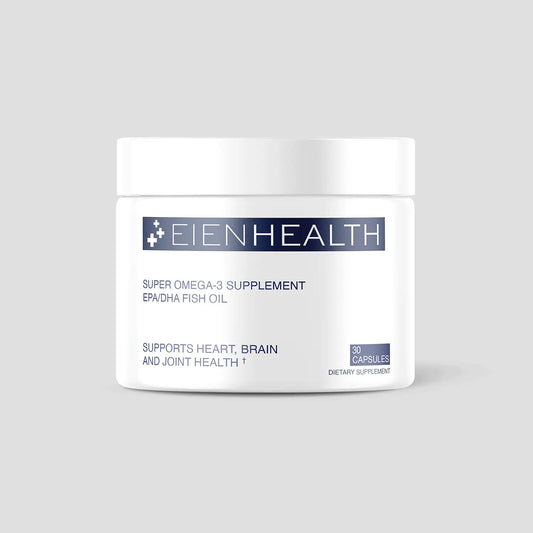
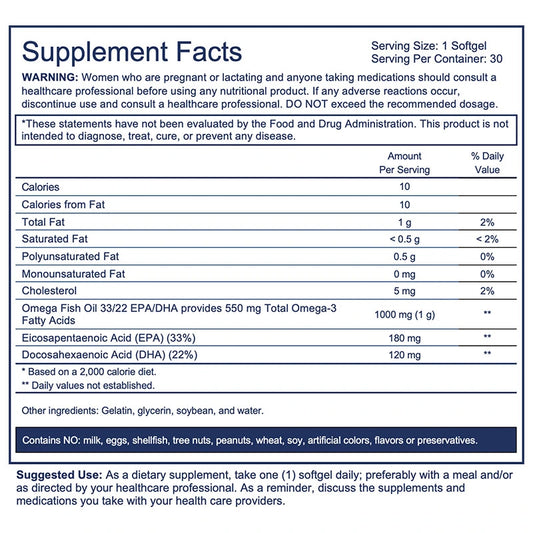
- Mindful Nutrition - A diet rich in anti-inflammatory foods can be instrumental in reducing joint pain. Incorporating foods like olive oil, nuts, fatty fish, and leafy greens helps combat inflammation and supports weight loss. As you build your nutrition plan, consider adding Super Omega-3 Supplement Fish Oil to boost overall joint health.
- Gentle Movements - Engaging in low-impact exercises like swimming, yoga, or cycling can enhance flexibility and strengthen muscles around the joints, promoting joint ache relief. Regular physical activity can also speed up weight loss, creating a virtuous cycle benefiting both your waistline and joint health.
Integrating Supplements

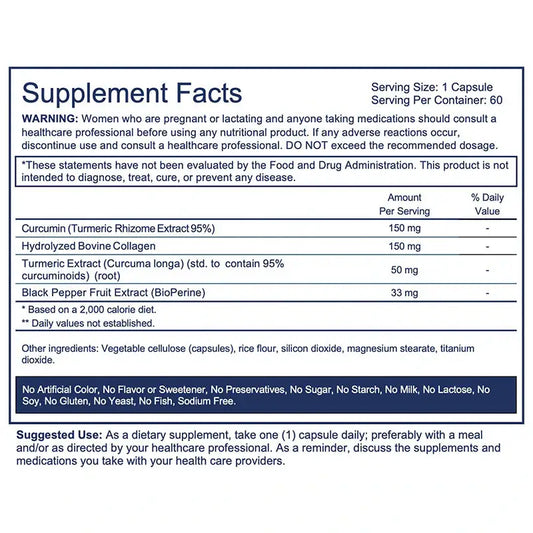
In addition to lifestyle and dietary modifications, supplements can be a powerful ally. Triple Power® Joint Support is one effective choice, providing a blend of components that work together to protect cartilage and reduce inflammation—delivering joint pain relief for arthritis and beyond.
Unlocking Secrets and Methods
When striving for natural joint pain relief, it's beneficial to explore a variety of methods. Dive into articles like Unlocking Natural Joint Pain Relief Secrets to uncover holistic approaches that complement both weight loss objectives and pain management. Additionally, when looking for interventions without relying on medication, Top Joint Pain Relief Methods Without Medication offers insightful alternatives focusing on lifestyle changes.
Motivated Mindset
Lastly, adopting a positive, growth-oriented mindset builds resilience in your lifestyle overhaul journey. Setting realistic goals and celebrating small victories can drive your dedication to both losing weight and alleviating joint pain. Learn how weight loss directly contributes to joint ache relief through Key Weight Loss Tips for Joint Ache Relief, reinforcing the benefits for long-term joint health.
By embracing these strategies, you're not just easing your joint pain or promoting weight loss—you’re actively enhancing a lifestyle that prioritizes health and well-being. Whether you're stepping into a new exercise class, tweaking your diet, or considering the power of supplements, every choice aligns your body and mind towards optimal health. For further guidance and to explore products that support your journey, visit eienhealth.com.
FAQs
What are some lifestyle changes I can make to reduce joint pain?
Incorporating low-impact exercises like swimming or cycling, maintaining a healthy weight, and following an anti-inflammatory diet rich in fruits, vegetables, and omega-3 fatty acids can help alleviate joint pain.
How can weight loss positively impact joint health?
Losing excess weight reduces the strain on joints, particularly weight-bearing ones like the knees and hips. This can lead to decreased pain and improved mobility.
Are there specific exercises that are better for joint pain?
Gentle exercises such as yoga, tai chi, and stretching can improve flexibility and strength without putting too much pressure on the joints. Always consult a healthcare provider before starting any new exercise program.
What foods should I include in my diet for joint health?
Aim to include foods rich in antioxidants and omega-3 fatty acids, such as fatty fish, nuts, olive oil, and leafy greens. These can help reduce inflammation in the body.
Is hydration important for joint health?
Yes, staying well-hydrated helps maintain the lubrication of joints and ensures proper nutrient delivery to the cartilage, which can support overall joint health.
Can stress management contribute to joint pain relief?
Absolutely. High stress levels can increase inflammation in the body, worsening joint pain. Incorporating stress-reduction techniques such as meditation, deep breathing, or mindfulness can be beneficial.
What role does sleep play in managing joint pain?
Quality sleep is essential for recovery and healing. Poor sleep can exacerbate pain perception, making joint pain feel more intense. Aim for 7-9 hours of quality sleep each night.
How often should I engage in physical activity to manage weight and joint pain?
Aim for at least 150 minutes of moderate-intensity exercise each week, combined with strength training at least twice a week. Tailor the intensity and duration to your comfort level and joint health needs.
Are there supplements that may help with joint pain?
Some supplements, such as glucosamine, chondroitin, and turmeric, have been reported to support joint health. However, it’s important to consult with a healthcare professional before starting any new supplements.
Can maintaining a healthy body weight help prevent joint disease?
Yes, maintaining a healthy weight can significantly lower the risk of developing osteoarthritis and other joint diseases, as it minimizes the mechanical stress placed on the joints.