Joint pain can significantly impact daily life, often causing discomfort and limiting mobility. However, what many might not realize is that dietary adjustments can play a crucial role in joint pain relief. By embracing a diet rich in anti-inflammatory foods and supplements, individuals can experience natural joint pain relief, especially when dealing with arthritis.
Table of Contents
- Table of Contents
- The Power of Omega-3s for Joint Health
- Weight Loss: A Natural Ally
- Anti-inflammatory Foods to the Rescue
- Addressing Arthritis-specific Pain
- Integrating Movement with Dietary Changes
- Conclusion
- FAQs
The Power of Omega-3s for Joint Health

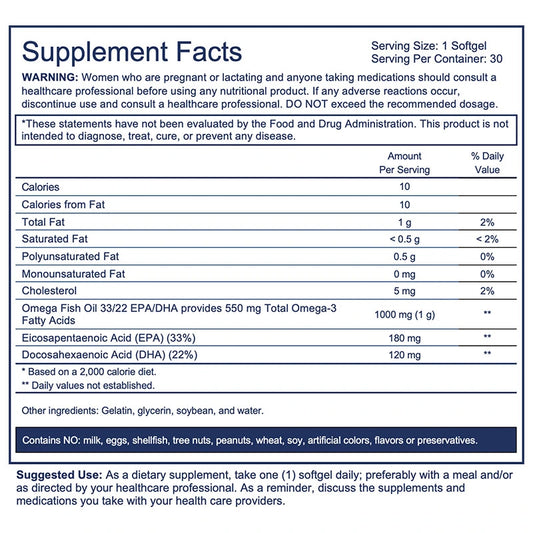
Incorporating Omega-3 fatty acids into your diet is a time-tested strategy for alleviating joint pain. Found in fish oil, these fatty acids have been shown to help reduce inflammation, which is a common source of joint ache. For those looking to enhance their intake, Super Omega-3 Supplement Fish Oil is an excellent choice. This supplement is rich in essential fatty acids commonly deficient in our modern diets.
Weight Loss: A Natural Ally
Weight management is another critical factor in achieving joint pain relief. Excess weight intensifies the pressure on joints, exacerbating pain, particularly in weight-bearing joints such as knees and hips. By shedding those extra pounds, one can significantly reduce joint stress.
For actionable tips on achieving weight loss for joint ache relief, read our detailed article: Weight Loss Techniques for Joint Ache Relief.
Anti-inflammatory Foods to the Rescue

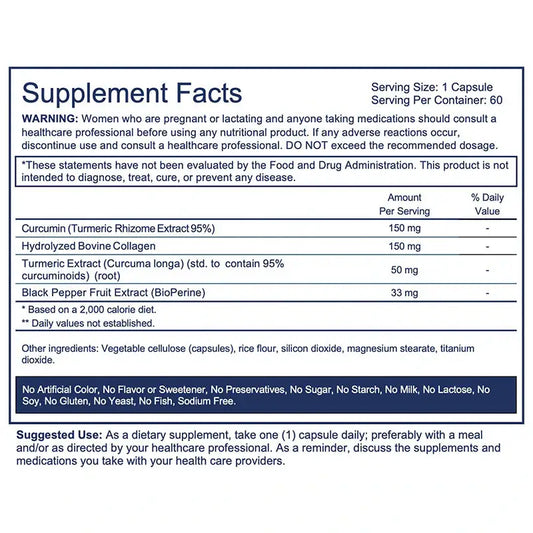
Certain foods can naturally alleviate joint pain. Incorporating fruits, vegetables, whole grains, and lean proteins can drastically reduce inflammation levels. Spices like turmeric have been celebrated in many cultures for their potent anti-inflammatory properties and can easily be included in daily meals.
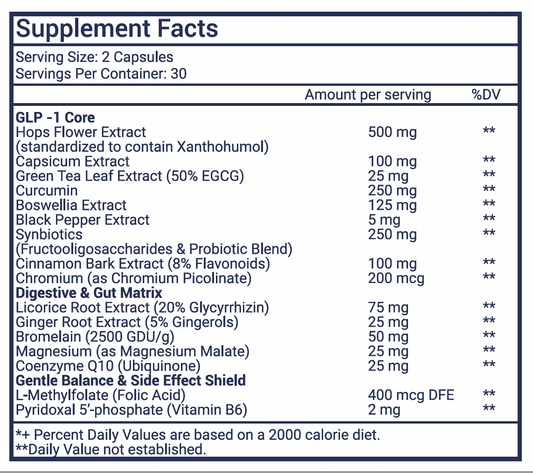
In conjunction with a balanced diet, supplements like Triple Power® Joint Support provide an additional layer of support. This product offers a combination of nutrients specifically formulated to promote joint health and ease joint pain.
Addressing Arthritis-specific Pain
For individuals battling arthritis, adjusting dietary habits can be especially beneficial. Foods rich in antioxidants, such as berries and dark leafy greens, fight inflammation and improve overall joint function. Including these foods as part of everyday meals can complement efforts for natural relief.
For more targeted strategies, consider reading our article: Natural Relief for Arthritis-Induced Joint Pain.
Integrating Movement with Dietary Changes
While diets play an integral role in joint pain relief, incorporating gentle movements into daily routines can amplify relief efforts. Low-impact exercises help maintain flexibility and improve blood circulation without straining the joints.
Our blog on Joint Pain Relief Through Everyday Movements offers practical exercises that, once integrated with dietary measures, contribute to comprehensive joint health.
Conclusion
By making conscious dietary changes and incorporating supplements like Super Omega-3 Supplement Fish Oil and Triple Power® Joint Support, those suffering from joint pains, particularly due to arthritis, can find much-needed relief. Additionally, maintaining a balanced diet, achieving weight loss, and staying active contribute to enhanced joint function and reduced aches.
For more tips and resources on joint health, visit Eien Health and explore how you can craft a lifestyle that keeps joint pain at bay while optimizing overall well-being.
FAQs
What types of foods can help reduce joint pain?
Incorporating anti-inflammatory foods into your diet can help alleviate joint pain. Focus on consuming fatty fish rich in omega-3 fatty acids, such as salmon and mackerel, along with fruits and vegetables like berries, spinach, and kale, which are packed with antioxidants.
Are there any foods that should be avoided for joint pain?
Yes, certain foods can exacerbate joint pain. It’s best to limit your intake of processed foods, excessive sugar, and refined carbohydrates. Additionally, some individuals may find that nightshade vegetables, such as tomatoes and eggplants, can trigger their symptoms, so monitoring your body’s response is important.
How does hydration affect joint health?
Staying well-hydrated is essential for joint health, as water helps maintain synovial fluid in the joints, which provides lubrication. Aim to drink plenty of water throughout the day to support overall joint function and reduce stiffness.
Can a gluten-free diet help with joint pain?
For some individuals, especially those with celiac disease or gluten sensitivity, a gluten-free diet can lead to significant improvements in joint pain and inflammation. It may not help everyone, but it can be worthwhile to experiment with eliminating gluten and monitoring symptoms.
Is it important to maintain a healthy weight for joint health?
Absolutely. Carrying excess weight increases stress on weight-bearing joints, such as the knees and hips, potentially leading to increased pain and discomfort. Maintaining a healthy weight through balanced nutrition and regular exercise can significantly improve joint health.
How can I incorporate more anti-inflammatory foods into my diet?
Start by gradually adding more whole foods like fruits, vegetables, whole grains, nuts, and seeds into your meals. Experiment with cooking methods that preserve nutrients, such as steaming or grilling, and consider seasoning with anti-inflammatory herbs and spices like turmeric and ginger.
Does supplementation play a role in joint pain relief?
Certain supplements, such as glucosamine, chondroitin, and omega-3 fatty acids, may provide relief for some individuals suffering from joint pain. However, it’s essential to consult with a healthcare professional before starting any supplements to ensure they are appropriate for your specific situation.
How long does it take to see an improvement in joint pain after dietary changes?
The timeline can vary based on the individual and the extent of dietary changes made. Some people may experience relief within a few weeks, while others might take longer. Consistency is key, and it’s important to monitor your body’s response to see what works best for you.
Should I consult a healthcare professional before making dietary changes for joint pain?
Yes, it's advisable to consult a healthcare professional, such as a doctor or nutritionist, before making significant changes to your diet. They can help tailor dietary recommendations to your specific health needs and ensure that you’re making choices that will support your overall well-being.