Life can sometimes feel like a seesaw of activity and rest, but when joint pain strikes, that balance can be hard to maintain. Joint pain, especially from conditions like arthritis, can limit movement and make the simplest of tasks feel burdensome. However, the path to joint pain relief may not always lie in medication or expensive treatments. Instead, subtle everyday movements and lifestyle changes can provide significant relief.
Table of Contents
- Table of Contents
- The Power of Movement
- Weight and Joint Pain
- Supporting Your Joints with Nutrition
- Natural Relief for Arthritis
- Achieving Natural Joint Pain Relief
- FAQs
The Power of Movement
While it might seem counterintuitive, gentle movement can be a powerful ally in the quest for joint pain relief. Regular, low-impact exercises help strengthen the muscles around your joints, which can reduce stress on them. It’s not about pushing through the pain but about finding the right type of activity that works for your body.
Walking, gentle yoga, and swimming are three excellent activities that can support natural joint pain relief. By incorporating these movements into your routine, you may improve not only your joint flexibility but also your overall health.
Weight and Joint Pain
Bodyweight plays a significant role in the level of pain felt in the joints. Every pound of body weight places extra pressure on your knees, hips, and ankles, exacerbating pain and discomfort. Achieving a healthy weight can thus make a significant difference in managing joint pain. For more insights on how weight impacts joint pain, read our article on How Weight Impacts Joint Pain Relief.
Supporting Your Joints with Nutrition

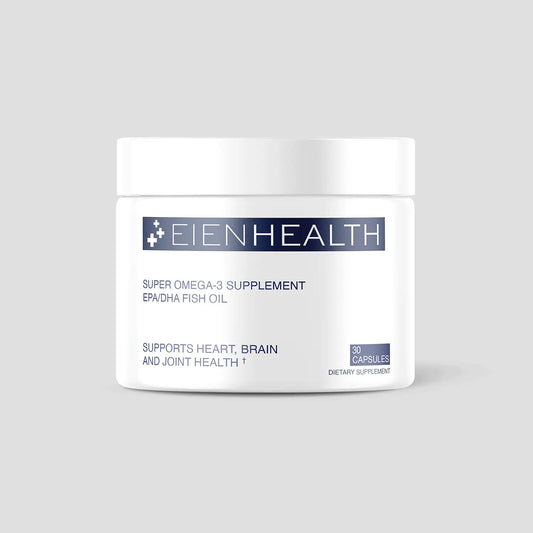
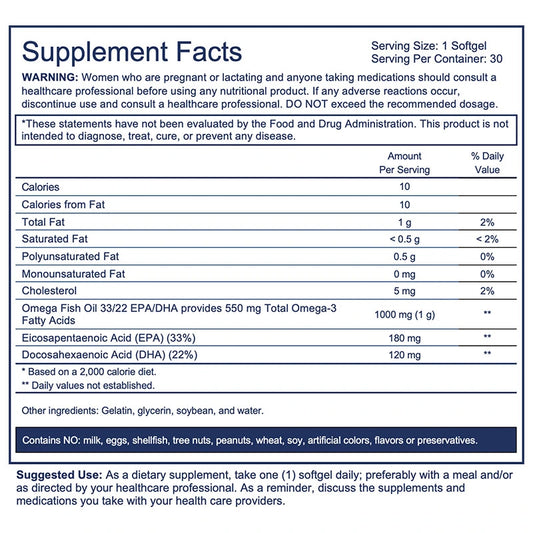
Your diet significantly impacts joint health. Foods rich in omega-3 fatty acids can help reduce inflammation around the joints. Consider supplementing your diet with Super Omega-3 Supplement Fish Oil for its potential benefits in supporting joint health.
Moreover, you could explore using Triple Power® Joint Support, a product specially designed to bolster joint flexibility and comfort.
Natural Relief for Arthritis
For those living with arthritis, finding effective joint pain relief for arthritis is critical. This involves a mixture of movement, diet, and choosing the right environment to reduce strain. The autumn months, for example, offer unique opportunities. Check out our blog Fall Strategies for Arthritis Joint Ache Relief to learn more about easing your joint ache during this season.
Achieving Natural Joint Pain Relief
While the current market is flooded with solutions promising quick fixes, the most sustainable ways often come through consistent and gentle changes. A holistic approach, combining movement, nutrition, and appropriate supplements, can significantly enhance your quality of life. For a comprehensive guide on managing joint pain naturally, explore Achieve Natural Joint Pain Relief Easily.
Implementing these everyday strategies requires commitment but remember—small, steady steps can lead to monumental changes over time. By choosing activities that are kind to your joints, paying attention to your nutrition, and accepting guidance from qualified sources and products, an improved lifestyle with minimal joint pain is within reach.
For more information and resources on achieving optimal health, visit Eien Health.
FAQs
What are some simple everyday movements that can help relieve joint pain?
Gentle, low-impact activities like walking, stretching, swimming, and cycling can be beneficial. These movements promote flexibility, strengthen muscles around the joints, and increase circulation, which can help alleviate pain.
How does stretching contribute to joint pain relief?
Stretching helps improve flexibility and range of motion in your joints. Regular stretching can decrease stiffness, making it easier to perform daily activities without discomfort.
Can weight management affect joint pain?
Yes, maintaining a healthy weight can significantly reduce stress on weight-bearing joints, such as the hips and knees. Reducing excess weight can lead to decreased pain and improved mobility.
Is it safe to exercise with joint pain?
While some joint discomfort is common, it's important to listen to your body. Low-impact exercises are generally safe and can be performed with some discomfort, but it's advisable to consult with a healthcare professional before starting any new exercise routine.
What role does posture play in managing joint pain?
Good posture helps distribute your body’s weight evenly and minimizes stress on joints, especially the back and knees. Being mindful of your posture while sitting, standing, or walking can contribute to overall joint health.
Are there specific movements to avoid if I have joint pain?
High-impact activities, such as running on hard surfaces or any repetitive motions that exacerbate pain, should generally be avoided. Instead, focus on low-impact options that are easier on the joints.
How often should I incorporate joint-friendly movements into my daily routine?
Aim for at least 150 minutes of moderate aerobic activity each week, combined with strength training exercises twice a week. Spread these activities throughout your week to maintain joint mobility and reduce stiffness.
Can holistic practices help with joint pain?
Yes, practices such as yoga and tai chi focus on gentle movements and mindfulness, promoting relaxation and breathing. They can enhance flexibility, strength, and joint function while also reducing stress.
Is there a specific time of day when joint movements are more effective?
Many people find that doing gentle movements in the morning can help reduce stiffness that accumulates overnight. However, it is essential to find a time that fits your schedule and feels best for your body.