Are you struggling with persistent joint pain and wondering if shedding some pounds would help alleviate your discomfort? The connection between weight loss and joint pain relief is well-documented; carrying extra weight can put added strain on the joints, especially for those with arthritis. By reaching a healthier weight, you can not only improve your overall well-being but also find natural joint pain relief.
Table of Contents
- Table of Contents
- Understanding the Connection
- Setting Realistic Goals
- Incorporating Exercise Carefully
- Balanced Nutrition for Joint Health
- Stick with It
- FAQs
Understanding the Connection
Extra weight can compound the symptoms of arthritis and amplify joint pain, particularly in the knees, hips, and lower back. When the body moves under excessive weight, there is increased stress on these joints, leading to more wear and tear. Thus, weight loss becomes a critical component in seeking joint ache relief. By reducing the amount of strain, you ultimately provide your joints a break from the burden.
Setting Realistic Goals

Embarking on a weight loss journey designed for joint pain relief requires a well-planned approach. To begin, consider consulting with a healthcare professional to set realistic weight loss goals. Remember, the goal is not just about losing pounds rapidly but doing so sustainably to provide lasting relief.
As you embark on this journey, you may also want to explore some tools and supplements designed to support joint health:
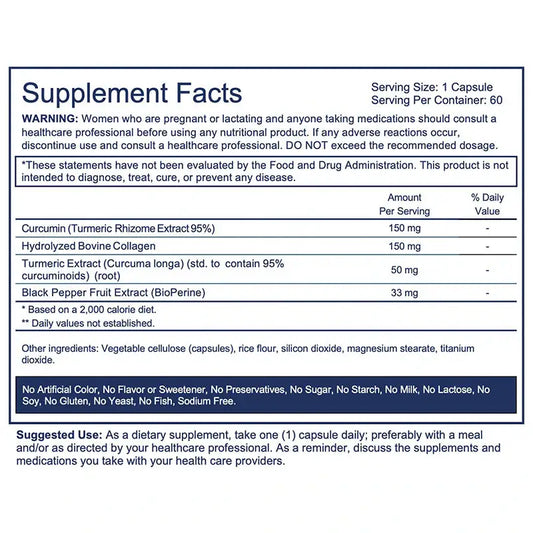
- Triple Power® Joint Support offers ingredients that help reduce inflammation and support joint function.
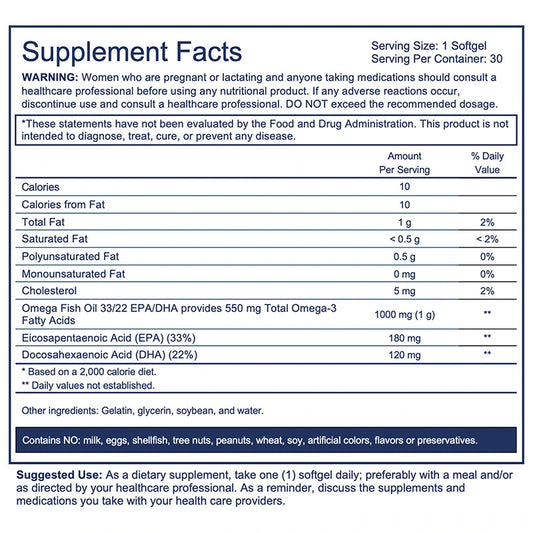
- Super Omega-3 Supplement Fish Oil provides essential fatty acids that promote a healthy inflammatory response and maintain joint comfort.
Incorporating Exercise Carefully
Exercise is a pivotal element in weight loss and achieving joint pain relief. However, it's essential to approach it with care to avoid further discomfort. Low-impact activities, such as swimming, cycling, or yoga, offer a way to stay active while minimizing stress on the joints. Exercise helps increase flexibility, strengthen muscles surrounding the joints, and improve overall mobility.
For more natural approaches to alleviate joint pain, check out our featured article: Natural Approaches to Alleviating Joint Pain.
Balanced Nutrition for Joint Health
What you eat has direct implications on both your weight management and joint health. Opt for a balanced diet rich in anti-inflammatory foods like fruits, vegetables, lean proteins, whole grains, and healthy fats. Omega-3-rich foods, such as salmon or walnuts, contribute to joint pain relief. Maintaining a healthy gut also plays an integral role in reducing inflammation throughout the body.
Explore more tips for alleviating joint aches naturally in our blog: Practical Methods to Relieve Joint Ache.
Stick with It
Patience and consistency are crucial when looking to lose weight for joint ache relief. Change doesn't happen overnight, but the benefits of a healthier lifestyle will extend beyond your joints and affect your overall quality of life.
For those eager to dive deeper into effective strategies for managing joint discomfort, consider reading our Quick Guide to Reducing Joint Discomfort.
Remember, finding natural joint pain relief through weight loss can have a profound impact on your life. Take the first step towards better joint health today by visiting Eien Health and discover our comprehensive solutions tailored for you.
FAQs
What are the best dietary practices for weight loss that support joint health?
Incorporating a balanced diet rich in whole foods, such as fruits, vegetables, lean proteins, healthy fats, and whole grains can aid weight loss while supporting joint health. Focus on anti-inflammatory foods like fatty fish, nuts, and dark leafy greens to help reduce joint pain.
How much weight can I expect to lose to see improvements in joint pain?
Even a modest weight loss of 5-10% of your body weight can significantly relieve pressure on your joints and reduce pain. For example, if you weigh 200 pounds, losing 10-20 pounds could lead to noticeable improvements in your joint health.
Which types of exercise are beneficial for weight loss while being gentle on the joints?
Low-impact exercises such as swimming, cycling, walking, and yoga can help you lose weight without putting excessive strain on your joints. These activities improve cardiovascular fitness and promote flexibility, contributing to overall joint health.
How important is hydration in a weight loss plan for joint pain relief?
Staying well-hydrated is crucial for maintaining joint lubrication and overall bodily function. Drinking adequate water can also help with weight loss by promoting satiety and reducing the likelihood of overeating.
Can weight loss alone alleviate joint pain?
While weight loss can significantly improve joint pain, it may not completely eliminate it, especially if there are underlying conditions. It’s advisable to combine weight management with other strategies like physical therapy or medication as prescribed by a healthcare provider.
What role does strength training play in managing weight loss and joint pain?
Strength training helps build muscle, which can support and stabilize joints. Incorporating resistance exercises into your routine can boost metabolism, promote weight loss, and improve joint function, making it an essential aspect of a comprehensive fitness plan.
Are there specific nutrients that can help support joint health during weight loss?
Nutrients such as omega-3 fatty acids, vitamin D, calcium, and antioxidants can support joint health. Including foods rich in these nutrients in your diet may help reduce inflammation and maintain healthy bones and joints while you pursue weight loss.
How can I stay motivated to lose weight while managing joint pain?
It’s important to set realistic goals, track your progress, and celebrate small victories along the way. Finding enjoyable activities and seeking support from friends, family, or support groups can also help keep you motivated and committed to your weight loss journey.
When should I consult a healthcare professional regarding my weight loss and joint pain?
If you experience persistent joint pain or if weight loss efforts are not yielding results despite your best efforts, it’s best to consult a healthcare professional. They can provide individualized recommendations, assess any underlying issues, and help you create a tailored weight loss plan that prioritizes your joint health.