Joint pain is more than just a physical discomfort; it affects our daily lives, our moods, and our ability to enjoy the activities we love. Fortunately, there are simple lifestyle changes that can significantly ease joint ache and improve overall wellbeing.
Table of Contents
- Table of Contents
- Movement is Medicine
- Mind the Weight
- Dietary Changes That Help
- Supplements to the Rescue
- Be Water Wise
- Myths and Realities
- FAQs
Movement is Medicine
Incorporating a gentle exercise routine is essential for managing joint pain. Whether it's a morning stretch session, yoga, or even a brisk walk, keeping joints active can promote flexibility and reduce stiffness. These activities not only aid in joint pain relief for arthritis but also release endorphins that elevate mood. For some actionable tips, check out Daily Routines for Joint Ache Relief.
Mind the Weight
Weight loss is not just a health trend; it holds significant value in reducing joint pain. Extra pounds mean more pressure on the knees, hips, and lower back, creating a vicious cycle of discomfort. By adopting a balanced diet and engaging in regular physical activity, weight loss can be a natural joint pain relief strategy, alleviating excess stress on joints.
Dietary Changes That Help
A well-rounded diet is crucial for joint health. Foods rich in omega-3 fatty acids, like fish and flaxseeds, are known for their anti-inflammatory properties, potentially offering joint ache relief. Additionally, maintaining a balanced intake of fruits, vegetables, and lean proteins can nourish the body and support joint function. For comprehensive advice on what to eat, visit Foods that Combat Joint Pain Naturally.
Supplements to the Rescue

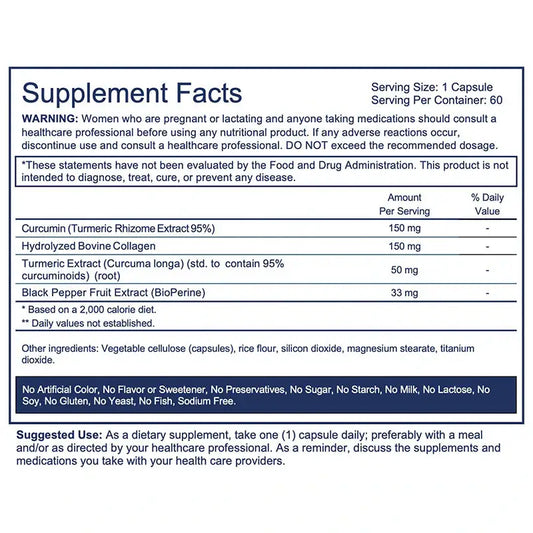
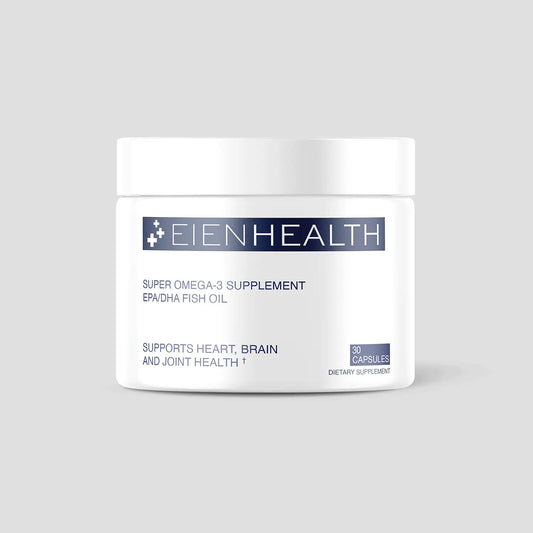
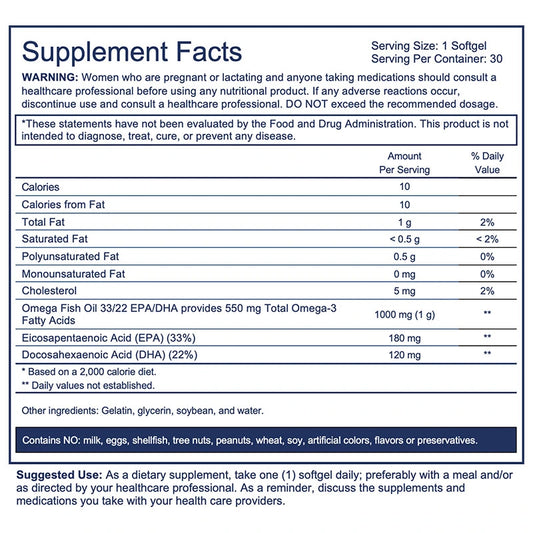
While diet is important, sometimes our bodies need a little extra help. Supplements like Super Omega-3 Supplement Fish Oil offer concentrated doses of omega-3 fatty acids, promoting joint health and reducing inflammation. Another handy supplement is the Triple Power® Joint Support, which combines essential nutrients to support joint function and provide natural joint pain relief.
Be Water Wise
Staying hydrated is often overlooked but is an essential component of joint care. Adequate water intake ensures that joints remain lubricated, reducing friction and preventing pain. Aim for at least eight glasses a day to keep your body and joints happy.
Myths and Realities
It's easy to get lost in the sea of information regarding joint pain solutions. From miracle cures to old wives' tales, separating fact from fiction can be challenging. To clear up any confusion and learn about reliable joint pain relief methods, read our article on Joint Pain Solutions: Myths and Facts.
By making these easy lifestyle adjustments, you can find meaningful joint ache relief and enhance your quality of life. For more information on maintaining joint health and exploring products that support joint function, visit Eien Health.
Remember, it’s the small changes that pave the way for big transformations.
FAQs
What are some simple dietary changes that can help with joint pain?
Incorporating anti-inflammatory foods such as fatty fish, nuts, fruits, vegetables, and whole grains can help reduce joint pain. Omega-3 fatty acids found in fish like salmon and walnuts are particularly beneficial.
How does maintaining a healthy weight impact joint aches?
Maintaining a healthy weight can alleviate excess pressure on your joints, especially in weight-bearing areas like the knees and hips. Losing even a small amount of weight can make a significant difference in reducing discomfort.
Can exercise really help with joint pain, and if so, what types are best?
Yes, gentle exercises, including walking, swimming, or cycling, can help strengthen the muscles around the joints, improve flexibility, and reduce stiffness. Always consult a healthcare provider before starting a new exercise regime.
What roles do hydration and water intake play in joint health?
Staying well-hydrated helps maintain the lubricating fluids in your joints. Adequate water intake ensures that cartilage remains hydrated and functions properly, reducing the risk of joint discomfort.
Are there any natural remedies that can provide relief for joint aches?
Yes, natural remedies such as ginger and turmeric have anti-inflammatory properties that may help alleviate joint pain. Applying topical treatments containing these ingredients or taking them as supplements can be beneficial.
How can stress management techniques affect joint health?
Stress can increase inflammation in the body, which may exacerbate joint pain. Techniques such as meditation, yoga, and deep-breathing exercises can help reduce stress levels and improve overall well-being.
Is it important to incorporate regular stretching into my routine?
Absolutely. Regular stretching helps maintain flexibility and range of motion in the joints. Simple stretching exercises can also reduce stiffness and prevent further injury.
Can getting enough sleep impact joint pain?
Yes, quality sleep is essential for healing and recovery. Sleep deprivation can increase inflammation and worsen pain levels, so aiming for 7-9 hours of restful sleep each night can be beneficial for joint health.
Are there any lifestyle habits I should avoid to reduce joint ache?
Avoiding habits such as smoking and excessive alcohol consumption can be beneficial. Both can contribute to inflammation and deteriorate overall health, which may lead to increased joint discomfort.