Joint discomfort can often feel like a relentless companion, shadowing you through daily activities and dampening your quality of life. If you’re struggling with joint pain, whether it's from arthritis or other causes, you have likely searched high and low for effective relief. One often overlooked yet powerful strategy for managing joint discomfort is weight management. This approach not only aids in providing joint pain relief but also contributes to overall health improvement.
Table of Contents
- Table of Contents
- The Weight Management and Joint Pain Connection
- More than Just Numbers: Holistic Approaches
- Strategies for Effective Weight Management
- 1. Balanced Nutrition
- 2. Regular Physical Activity
- 3. Consistent Monitoring
- A Thoughtful Conclusion
- FAQs
The Weight Management and Joint Pain Connection
The relationship between body weight and joint pain is a significant one. Each extra pound puts additional stress on your joints, particularly weight-bearing ones like the knees, hips, and spine. For those living with arthritis, alleviating this pressure through weight loss can contribute to meaningful joint pain relief.
In fact, studies have shown that losing as little as 10-15 pounds can lead to a considerable decrease in arthritis-related joint pain. For those dealing with joint ache relief, this is a promising insight. Weight management doesn't merely reduce stress on the joints physically; it could offer an emotional lift, motivating sufferers to remain active and engaged in life.
More than Just Numbers: Holistic Approaches

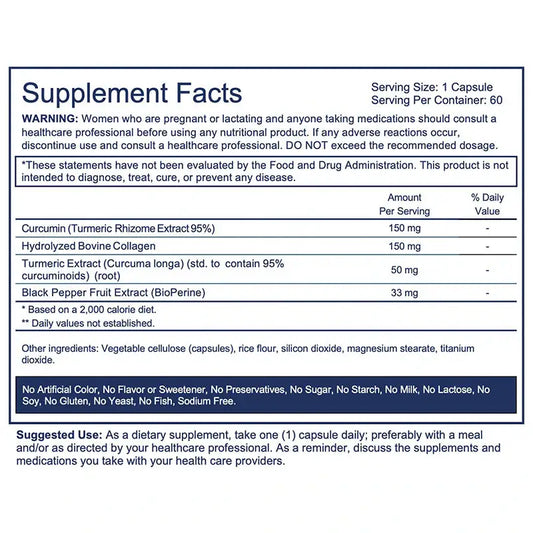
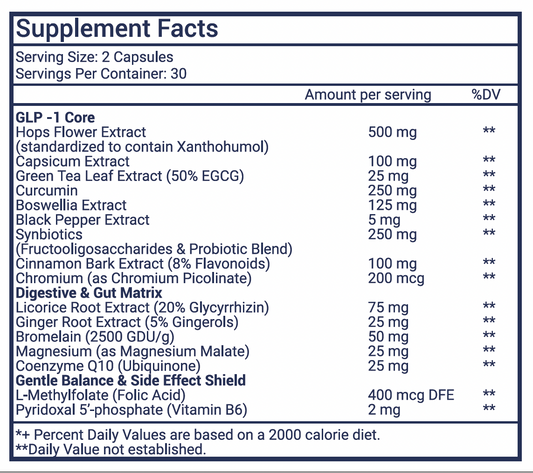
While losing weight can certainly ease the load on your joints, incorporating holistic strategies can optimize results. Together with a balanced diet and regular exercise, consider integrating supplements and natural remedies for comprehensive joint health. For example, combining weight management efforts with Triple Power® Joint Support can support joint mobility and health.
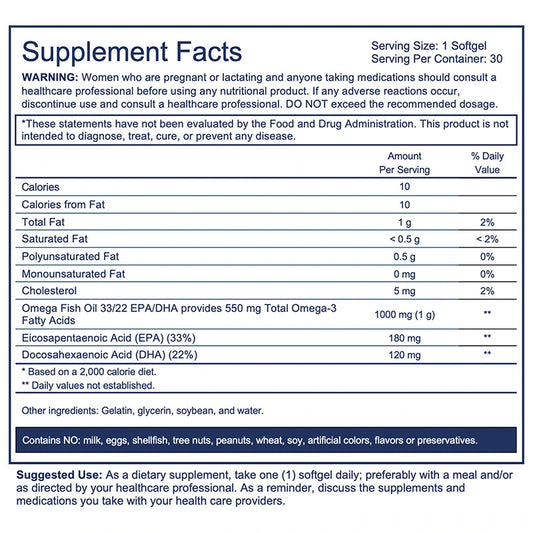
Additionally, exploring natural joint pain relief options like omega-3 fatty acids can be beneficial. Omega-3s, found in Super Omega-3 Supplement Fish Oil, are known for their anti-inflammatory properties which naturally aid in reducing joint pain.
Strategies for Effective Weight Management
1. Balanced Nutrition
A nutritious diet is the backbone of any effective weight management and joint pain relief strategy. Focus on consuming a variety of fruits, vegetables, lean proteins, and whole grains. Emphasizing anti-inflammatory foods can double the benefits, helping you manage weight while providing natural joint pain relief.
2. Regular Physical Activity
Incorporate exercises that enhance strength, flexibility, and endurance. Low-impact activities such as swimming, cycling, and yoga can minimize joint strain and foster better joint ache relief. If you’re looking to start a new fitness regime, the article Improve Motion with Natural Joint Solutions offers insights into joint-friendly exercises.
3. Consistent Monitoring
Keep track of your progress through regular weight checks and adjustments to your diet and exercise plans. Remember that each step in the right direction brings you closer to your goals of joint pain relief.
A Thoughtful Conclusion

Weight management is a twofold strategy—ease the physical burden on your joints while simultaneously gaining control over your overall wellness. Combined with supplements like Super Omega-3 Supplement Fish Oil and Triple Power® Joint Support, it forms a powerful plan for combating joint discomfort effectively.
Explore more about strategies for combating arthritis symptoms by visiting our Effective Strategies to Fight Arthritis Symptoms blog post for in-depth insights.
With the right tools and knowledge, joint pain relief is not just a possibility, but a reality waiting to be embraced. Learn more about our holistic health approaches at eienhealth.com.
FAQs
What is the link between weight management and joint discomfort?
Maintaining a healthy weight can significantly reduce the strain on your joints. Excess body weight places additional pressure on weight-bearing joints, such as the knees and hips, which can lead to increased discomfort and potential deterioration of joint health.
What role does diet play in managing joint discomfort?
A balanced diet rich in anti-inflammatory foods, such as fruits, vegetables, whole grains, and healthy fats, can help reduce inflammation in the body. Additionally, avoiding processed foods and excessive sugar can prevent weight gain and further joint issues.
How can exercise contribute to weight management and joint health?
Regular physical activity helps in weight loss and maintenance while also strengthening the muscles that support joints. Low-impact exercises, such as swimming or cycling, can be particularly beneficial for those experiencing joint discomfort, as they minimize stress on the joints while promoting fitness.
Are there specific exercises recommended for those with joint discomfort?
Yes, engaging in low-impact exercises like yoga, Pilates, and resistance training can be effective. These exercises focus on improving flexibility, strength, and overall joint function without exacerbating discomfort.
Can losing weight help improve mobility for those with joint issues?
Absolutely! Losing even a small amount of weight can alleviate pressure on joints, enhancing mobility and reducing discomfort. Many individuals experience improved range of motion and activity levels after achieving weight loss.
Is it necessary to consult a healthcare professional before starting a weight management program?
Consulting a healthcare professional is advised, especially if you have pre-existing joint conditions. They can provide personalized recommendations and guidance tailored to your specific health needs and goals.
How long does it typically take to see improvements in joint discomfort with weight management?
Results can vary from person to person, but many individuals notice improvements in joint discomfort within a few weeks of adopting a balanced diet and exercise routine aimed at weight management.
What should be considered when starting a weight management plan?
It’s essential to create a realistic and sustainable plan that incorporates healthy eating, physical activity, and, if necessary, consultation with professionals. Setting achievable goals can lead to long-term success and improved joint health.
Are there any supplements that may help with joint discomfort during weight management?
Some individuals find that supplements like omega-3 fatty acids, glucosamine, and turmeric can help support joint health. However, it's important to consult with a healthcare professional before starting any supplements to ensure they are safe and appropriate for your situation.