Are you tired of dealing with joint pain every day? Feeling stuck in the vicious cycle of discomfort and inactivity? If so, you're not alone. Millions of people experience joint pain for various reasons, but what if I told you that shedding a few pounds could be the key to achieving joint pain relief? Yes, that's right—weight loss and joint health are intricately connected. In this post, we'll explore how weight loss can lead to natural joint pain relief and discuss some practical steps you can take to get started.
Table of Contents
- Table of Contents
- The Weight and Joint Pain Connection
- Steps Toward Better Joint Health
- 1. Set Realistic Weight Loss Goals
- 2. Make Dietary Adjustments
- 3. Exercise Regularly and Wisely
- Support Your Joints with the Right Products
- Conclusion
- FAQs
The Weight and Joint Pain Connection
It often feels like a double-edged sword: joint pain can discourage you from moving, yet movement might be crucial for achieving joint ache relief. The truth is, carrying extra weight increases the pressure on your joints, especially in weight-bearing areas like the knees and hips. For each pound you lose, you can reduce the load exerted on your knees by up to four pounds! When you think about it, the benefits of weight loss for your joints are quite profound.
Steps Toward Better Joint Health
1. Set Realistic Weight Loss Goals
Achieving significant weight loss doesn't happen overnight, but setting realistic and attainable goals is essential. Start small with changes in your diet and exercise routine. Strive for a balanced lifestyle that incorporates both movement and healthy eating, which can lead to longer-lasting joint pain relief.
2. Make Dietary Adjustments

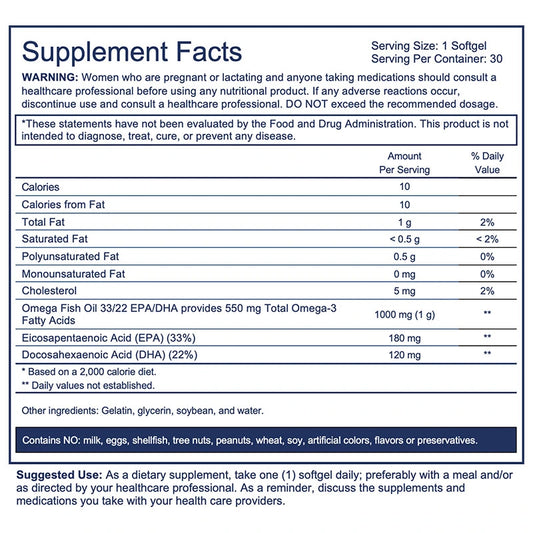
Opt for a diet rich in anti-inflammatory foods like omega-3 fatty acids. Super Omega-3 Supplement Fish Oil is a great choice to include in your diet to help manage inflammation and support joint health. Consider foods like fatty fish, leafy greens, and nuts to aid your journey toward natural joint pain relief.
3. Exercise Regularly and Wisely
Low-impact exercises such as swimming, cycling, or yoga can improve your joint flexibility without overexerting them. Regular physical activity not only helps with weight loss but can also lead to significant improvements in joint pain relief for arthritis sufferers. Find exercise routines that put minimal strain on your joints to see maximum benefits over time. For more tips and tricks, check out our article on Joint Pain Relief Tricks for Arthritis Sufferers.
Support Your Joints with the Right Products

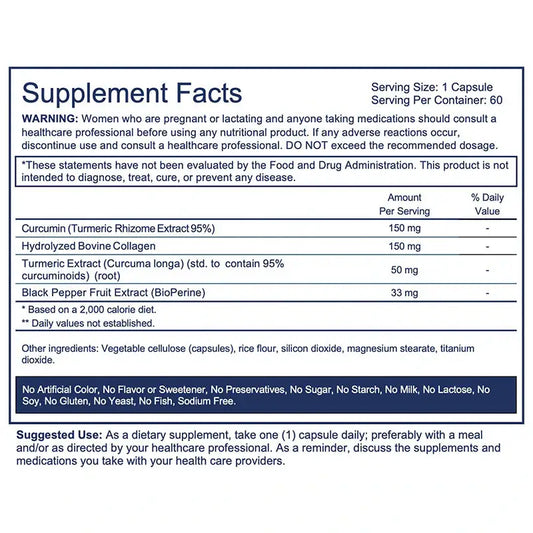
To further support joint health, consider incorporating supplements that specifically target joint support. Triple Power® Joint Support is designed to help enhance your joints' resilience and provide relief from joint discomfort. By combining weight loss efforts with the right supplements and lifestyle changes, you can experience a holistic improvement in joint health.
Conclusion
Nobody wants to live with the constant discomfort of joint pain. With some effort, commitment, and the right strategies, you can find substantial joint ache relief through effective weight loss plans. Whether it's cutting down on processed foods, incorporating anti-inflammatory supplements, or practicing a regular exercise routine, each step you take brings you closer to better joint health.
Visit our website for more articles like Simple Habits for Natural Joint Relief and Understanding Joint Pain Signals and Solutions to learn more about managing joint health effectively. Remember, it's never too late to start improving your quality of life through better joint care. Check out our selection of joint health products at Eien Health.
FAQs
What are the benefits of weight loss for joint health?
Losing weight can significantly reduce stress on weight-bearing joints, such as the knees and hips. This reduction in pressure can alleviate pain, improve mobility, and lower the risk of developing conditions like osteoarthritis.
How much weight should I aim to lose for improved joint health?
Even a modest weight loss of 5-10% of your body weight can lead to noticeable improvements in joint health. For someone weighing 200 pounds, this means losing 10-20 pounds can make a difference in joint pain and function.
Can exercise help with both weight loss and joint health?
Yes, regular low-impact exercise can aid in weight loss while strengthening the muscles around your joints. Activities like swimming, cycling, and walking can improve joint stability and reduce discomfort.
Are there specific diets that support weight loss and joint health?
Diets rich in anti-inflammatory foods, such as fruits, vegetables, whole grains, and healthy fats, can help with weight loss and support joint health. Incorporating omega-3 fatty acids found in fish can also be beneficial.
How does hydration affect joint health during weight loss?
Staying hydrated is essential for joint lubrication and overall health. Adequate water intake can help maintain cartilage integrity, which cushions the joints, and may support better performance during exercise.
Is it necessary to consult a professional before starting a weight loss program for joint health?
It's often advisable to consult a healthcare provider or nutritionist before starting any weight loss program, especially if you have underlying health conditions or joint concerns. They can help create a tailored plan that accommodates your specific needs.
What role does protein play in weight loss and joint health?
Protein is crucial for muscle maintenance, which is important for joint support. Including lean protein sources in your diet can help with weight loss by promoting satiety and preserving muscle mass while losing fat.
How long does it take to see improvements in joint health after losing weight?
Many individuals report noticing improvements in joint pain and mobility within a few weeks of starting a weight loss program. However, results may vary depending on the individual's starting weight, diet, and exercise routine.
Can losing weight prevent future joint issues?
Maintaining a healthy weight can lower the risk of developing joint-related conditions. By reducing stress on your joints, you can potentially prevent injuries and degenerative diseases associated with excess weight over time.