Joint pain can be incredibly debilitating, affecting everything from daily tasks to your overall quality of life. While medication is a common go-to for many, a growing number of people are discovering the benefits of natural joint pain relief alternatives. Here's how unlocking natural pathways can help ease joint pain, especially for those struggling with arthritis.
Table of Contents
- Table of Contents
- Understanding Joint Pain
- Natural Supplements for Joint Pain Relief
- The Role of Weight Loss
- Lifestyle Changes to Support Joint Health
- The Natural Path Forward
- FAQs
Understanding Joint Pain
Before diving into natural remedies, it's crucial to understand what causes joint pain. Often, it’s the result of inflammation, injury, or overuse of the joint. Arthritis, including osteoarthritis and rheumatoid arthritis, are common culprits, causing symptoms that range from mild discomfort to persistent joint ache and stiffness.
Natural Supplements for Joint Pain Relief

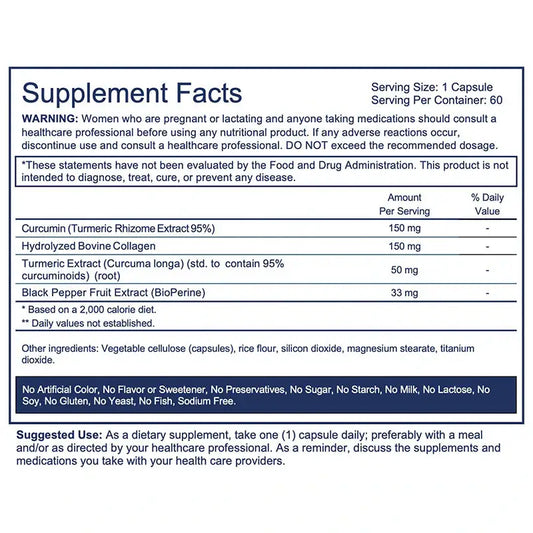
A natural approach to alleviating joint pain often begins with the right supplements. For example, Triple Power® Joint Support is designed to aid inflammation and support joint function. This powerful formulation includes key ingredients known for their joint health benefits, offering an effective natural joint pain relief solution.
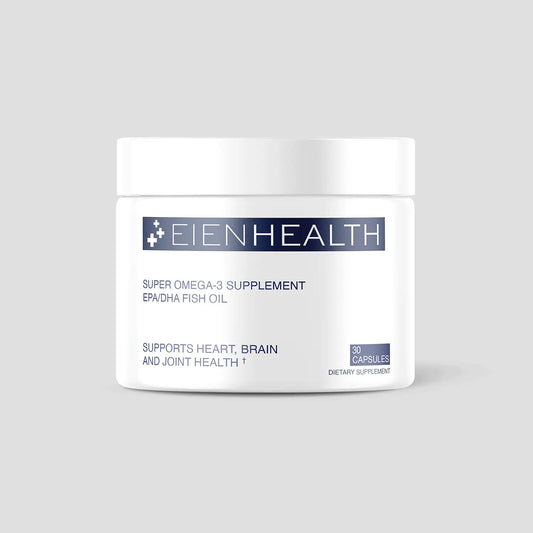
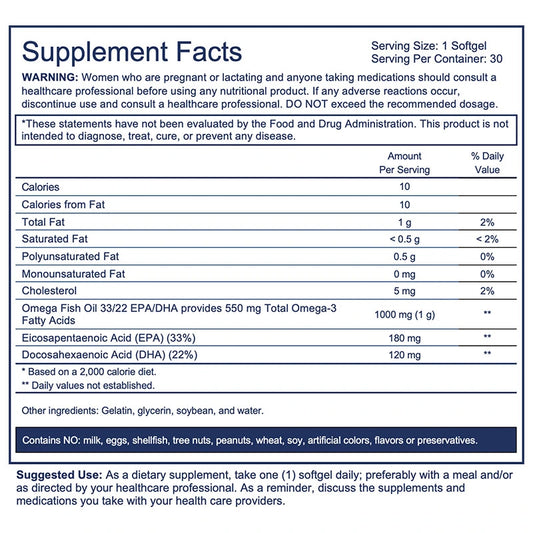
Another powerhouse in the realm of joint health is omega-3 fatty acids. Our Super Omega-3 Supplement Fish Oil provides a rich source of omega-3s, which are scientifically shown to reduce inflammation and improve joint mobility, further easing joint ache relief.
The Role of Weight Loss
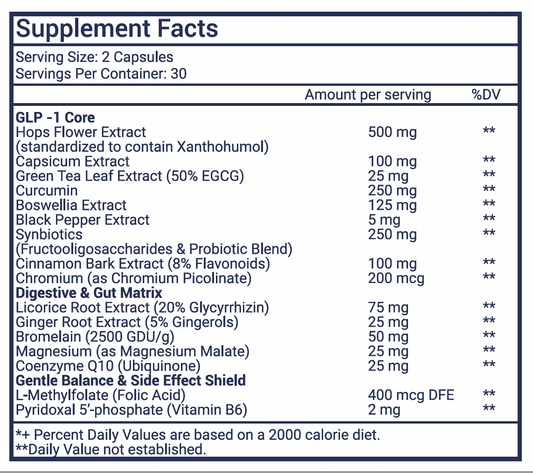
Weight plays a significant role in joint health. Excess weight places additional stress on joints, exacerbating pain, especially in weight-bearing joints like the knees and hips. For those seeking joint pain relief for arthritis, a balanced diet and weight management can make a substantial difference. For more insights, explore the article Simplify Weight Loss for Joint Pain Relief, which discusses how tailored weight loss strategies can contribute to pain reduction and improve overall joint function.
Lifestyle Changes to Support Joint Health
Beyond supplements and weight management, certain lifestyle changes can pave the way for natural joint pain relief:
- Stay Active: Gentle exercises such as swimming or cycling can keep joints flexible without putting too much strain on them.
- Mind Your Posture: Proper posture reduces undue stress on joints, preventing discomfort and long-term damage.
- Heat and Cold Therapy: Simple applications of heat and cold can alleviate pain and reduce swelling.
For a comprehensive look at non-medicated pain management techniques, check out Mastering Joint Pain Relief Without Medication.
The Natural Path Forward
Let these natural methods guide you towards a future with less joint pain. Incorporating effective supplements, a balanced weight, and positive lifestyle changes could transform your joint health journey.
For more insights and products designed to enhance your joint health, visit eienhealth.com.
Together, we can unlock the full potential of natural remedies for a happier, pain-free life.
FAQs
What are some natural remedies for joint pain relief?
There are several natural remedies that can help alleviate joint pain, including turmeric, ginger, omega-3 fatty acids, and herbal supplements like boswellia. Incorporating these into your diet may provide anti-inflammatory benefits.
How does diet impact joint pain?
A diet rich in anti-inflammatory foods, such as fruits, vegetables, whole grains, and healthy fats, can help reduce joint pain. Foods high in antioxidants may also aid in managing inflammation, thus supporting joint health.
Can exercise help with joint pain?
Yes, regular low-impact exercise can strengthen the muscles around the joints, improve flexibility, and reduce pain. Activities like swimming, yoga, and walking are generally gentle and beneficial for maintaining joint mobility.
What lifestyle changes can I make to reduce joint pain?
Incorporating regular physical activity, maintaining a healthy weight, staying hydrated, managing stress, and ensuring adequate sleep can all positively impact joint health and reduce pain levels.
Are there any specific stretches that can help joint flexibility?
Gentle stretches focused on areas like the hips, knees, and shoulders can be beneficial for improving flexibility. Simple actions such as shoulder rolls, hamstring stretches, and wrist rotations may help ease stiffness.
How important is weight management in relation to joint pain?
Maintaining a healthy weight is crucial as excess weight can place additional strain on weight-bearing joints like the knees and hips, potentially exacerbating pain and discomfort.
What role does hydration play in joint health?
Staying properly hydrated helps maintain synovial fluid levels in the joints, which is essential for cushioning and lubrication. Adequate fluid intake supports overall joint function and can help reduce discomfort.
Can stress affect joint pain?
Yes, stress can lead to inflammation and muscle tension, which may worsen joint pain. Practicing relaxation techniques such as meditation or deep breathing can help manage stress and potentially alleviate discomfort.
Is it possible to manage joint pain without medication?
Absolutely! Many individuals find relief through a combination of dietary changes, exercise, stress management, and natural supplements, which can all be effective in managing joint pain without the need for medication.