Joint pain is a common ailment that affects people worldwide, yet its pervasive presence often leaves many searching for effective solutions and relief. Whether it's the result of arthritis, a sedentary lifestyle, or simply the aging process, joint pain serves as a signal—a reminder—that our bodies need attention and care. In this blog post, we will explore the nature of joint pain, discuss weight loss as a significant factor in joint pain relief, and highlight natural solutions that can alleviate the discomfort.
Table of Contents
The Signals of Joint Pain
Joint pain can manifest as a dull ache, sharp stabbing sensations, or even as swelling or stiffness in the joints. Such signals are crucial to pay attention to, as they indicate the body's need for intervention. Understanding these symptoms can help in distinguishing between temporary discomfort and chronic pain, often seen in conditions like arthritis. An excellent resource to further explore this is our article Simple Habits for Natural Joint Relief, which outlines everyday practices that can gently ease joint pains.
The Role of Weight Loss in Joint Pain Relief
Maintaining a healthy weight plays a critical role in managing joint pain. Extra weight increases pressure on joints, particularly in weight-bearing areas such as the knees and hips. By focusing on weight loss, you can significantly reduce stress on these joints, providing joint ache relief and potentially minimizing the need for more aggressive interventions. Discover more on dietary choices that can assist with this goal in our blog post Diet Adjustments to Ease Joint Pain.
Discovering Natural Joint Pain Relief

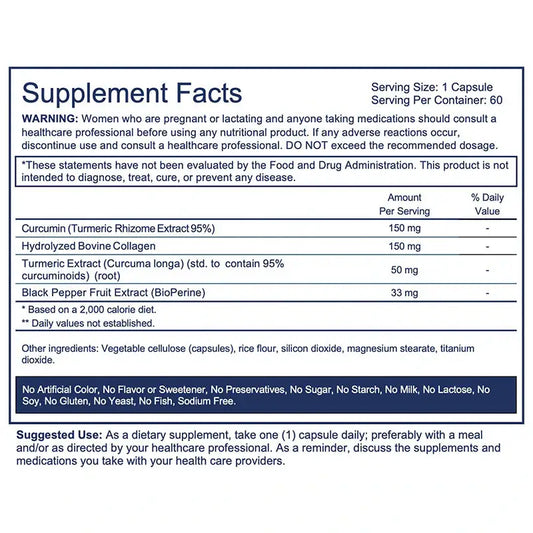
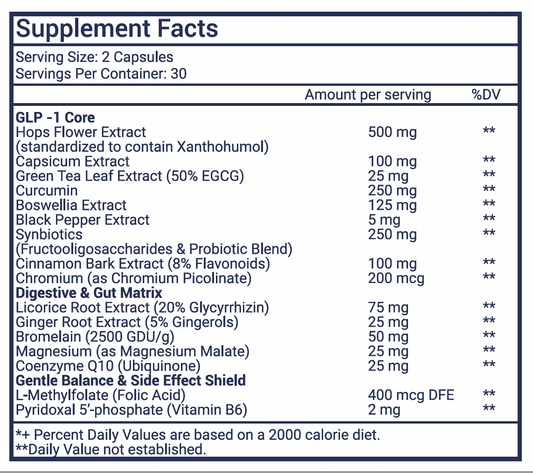
If you seek joint pain relief, particularly concerning arthritis, incorporating natural elements into your daily regimen might offer the comfort you're looking for. Products such as the Triple Power® Joint Support can be instrumental in promoting joint health. The proprietary blend is designed to support joint flexibility and mobility, providing a comprehensive approach to joint pain relief.
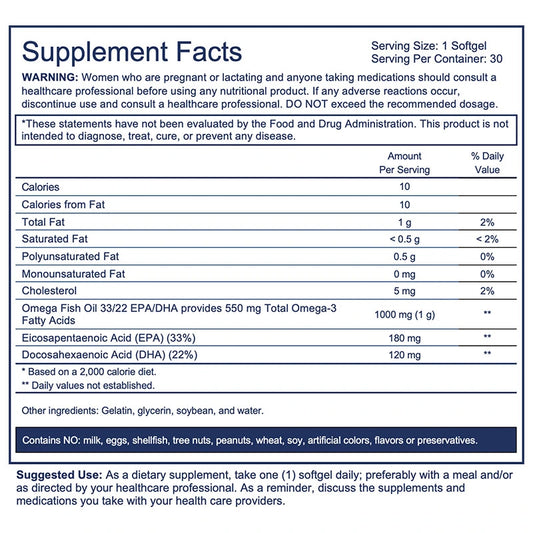
Additionally, omega-3 fatty acids have been advocated extensively for their anti-inflammatory effects. The Super Omega-3 Supplement Fish Oil is a beneficial option for those seeking to incorporate natural joint relief into their lifestyle. Omega-3s support joint lubrication and may help decrease the stiffness and pain associated with inflammatory joint conditions.
Practical Steps for Joint Ache Relief
For those experiencing joint aches, everyday adjustments can make a significant difference. Incorporating gentle stretches, maintaining an active lifestyle, and selecting a supportive diet are all proactive approaches to managing joint pain. For more in-depth tips, read our article on Top Foods for Joint Ache Assistance, which highlights foods known to bolster joint health.
Listening to your body and responding to the signals it sends is paramount in managing joint pain. Whether through weight loss, natural supplements, or lifestyle changes, relief is within reach. Dive into the wealth of information and resources available at Eien Health to explore further solutions tailored to your needs. Remember, small steps today can lead to significant relief tomorrow.
FAQs
What are the common signals of joint pain?
Common signals of joint pain include discomfort or aching in the joints, stiffness, swelling, redness, and a decreased range of motion. These symptoms can vary in intensity and may worsen with activity or certain weather conditions.
What causes joint pain?
Joint pain can be caused by a variety of factors including arthritis, injuries, overuse, age-related wear and tear, and underlying medical conditions such as bursitis or tendonitis. Each cause may lead to different symptoms and require specific approaches for relief.
How can I differentiate between acute and chronic joint pain?
Acute joint pain typically appears suddenly and may be related to an injury or specific event, while chronic joint pain persists over time, often lasting for more than three months. Chronic pain may result from ongoing conditions like arthritis.
What are some effective home remedies for joint pain relief?
Some effective home remedies for joint pain relief include applying heat or cold packs, practicing gentle stretching and strengthening exercises, maintaining a healthy diet rich in anti-inflammatory foods, and staying hydrated to support joint function.
When should I seek medical attention for joint pain?
You should seek medical attention for joint pain if you experience severe pain, swelling, fever, or signs of infection. Additionally, if joint pain limits your daily activities or does not improve with home care, it's important to consult a healthcare professional.
Are there any lifestyle changes that can help manage joint pain?
Yes, lifestyle changes such as maintaining a healthy weight, engaging in regular low-impact exercise, and incorporating anti-inflammatory foods into your diet can significantly help manage joint pain. Additionally, avoiding repetitive movements can prevent further strain on joints.
Is surgery a common solution for joint pain?
Surgery is considered for joint pain if other treatments have failed and if the joint damage is severe. Procedures can range from arthroscopy to joint replacement, depending on the specific issue and the joint involved.
What role does physical therapy play in treating joint pain?
Physical therapy can play a significant role in treating joint pain by helping to improve strength, flexibility, and overall function. A licensed physical therapist can tailor a program to address your specific needs, focusing on exercises that promote healing and reduce discomfort.
Can supplements help with joint pain?
Certain supplements, such as glucosamine, chondroitin, omega-3 fatty acids, and turmeric, may help alleviate joint pain for some individuals. However, it’s important to consult a healthcare provider before starting any new supplement regimen to ensure safety and effectiveness.