Joint pain can be a persistent companion, especially for those tackling arthritis. As it turns out, weight loss can significantly contribute to reducing joint pressure, thus providing joint pain relief. It's a notion that might sound too simple to be true, but the relationship between weight management and joint health is well-documented.
Table of Contents
- Table of Contents
- The Science Behind Weight Loss and Joint Pain Relief
- Aiding Weight Loss and Joint Health with Supplements
- Incorporating Exercise for Joint Ache Relief
- Practical Tips for Managing Joint Ache
- Conclusion
- FAQs
The Science Behind Weight Loss and Joint Pain Relief
When it comes to joint pain, particularly when exacerbated by arthritis, the extra pounds can be more than just unpleasant to carry. Each pound of body weight places additional stress on your joints, particularly your knees, hips, and ankles. The strain can amplify the wear and tear on these joints, intensifying the discomfort. Losing even a modest amount of weight can lead to remarkable reductions in joint ache and improvements in mobility.
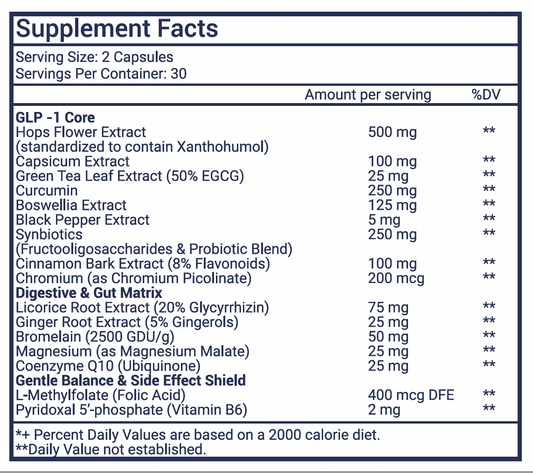
By losing weight, you're not only making life easier for your joints, but you're also potentially decreasing the need for pharmaceutical joint pain relief and relying more on natural joint pain relief methods. Experts suggest that combining weight loss strategies with natural supplements can act as a potent formula for alleviating joint discomfort.
Aiding Weight Loss and Joint Health with Supplements

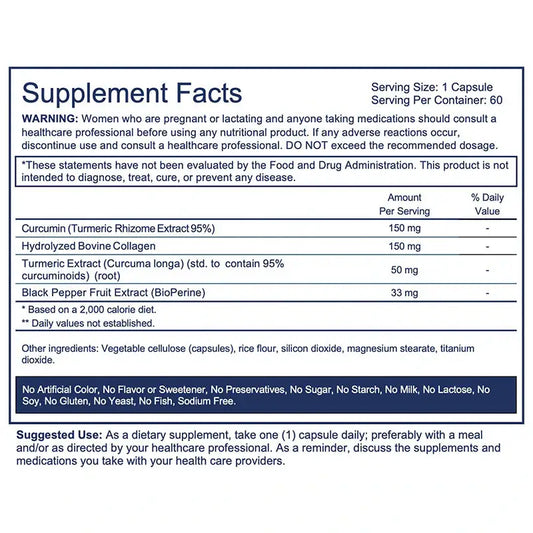
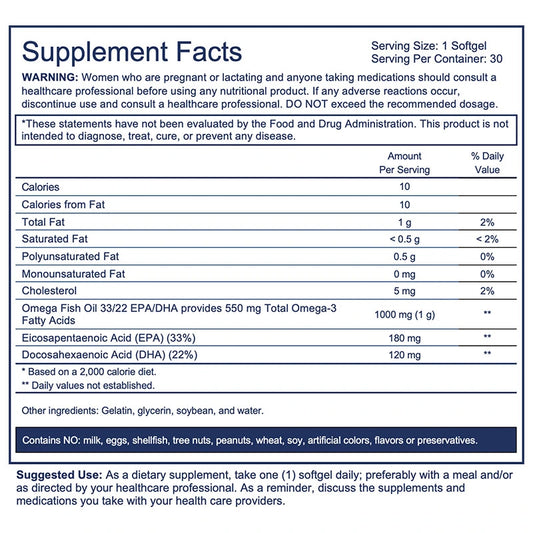
While diet and exercise are pivotal in any weight loss journey, supplements can play a crucial supporting role. Products like Triple Power® Joint Support and Super Omega-3 Supplement Fish Oil from Eien Health are designed to offer joint pain relief while promoting general well-being.
Triple Power® Joint Support combines powerful ingredients aimed at supporting joint health. It can be a comprehensive approach to bolster joint function and elasticity, making those pounds you shed through exercise easier on your joints. On the other hand, the Super Omega-3 Supplement Fish Oil is loaded with essential fatty acids that are known for their anti-inflammatory properties, which can further help in reducing joint pain, especially as you engage in weight-bearing exercises.
Incorporating Exercise for Joint Ache Relief
You don’t have to be a gym rat to see benefits from exercise. Even moderate, regular activity can work wonders for weight management and provide joint pain relief. Effective exercises such as swimming, walking, or gentle yoga can enhance muscle strength around the joints, offering better support and minimizing discomfort.
Incorporating exercise into your daily routine is crucial. Start slow, find activities you enjoy, and increase intensity little by little to prevent injury and undue stress on your joints.
Practical Tips for Managing Joint Ache
In addition to weight loss and supplements, consider these quick tips for managing joint ache relief:
- Maintain a healthy posture to relieve unnecessary strain.
- Use hot and cold compresses to soothe inflammation.
- Stay hydrated to lubricate joints and support the removal of toxins.
- Monitor your weight to prevent additional pressure on your joints.
Conclusion
The synergy between weight loss and joint health is undeniable. By focusing on losing those extra pounds with a balanced diet, sensible exercise, and supportive supplements, you're taking a multifaceted approach to natural joint pain relief.
For more insights and products geared towards supporting a healthier lifestyle, explore Eien Health—your partner in achieving optimal joint health and overall well-being.
FAQs
What is the connection between weight loss and joint pain relief?
Losing weight can significantly reduce the stress and pressure on weight-bearing joints, such as the knees and hips. This reduction can alleviate pain and improve mobility, which is especially beneficial for individuals suffering from conditions like arthritis.
How much weight do I need to lose to notice a difference in my joints?
Even a modest weight loss of 5-10% of your body weight can lead to significant improvements in joint pain and function. For some people, this can mean losing as little as 10-20 pounds to start feeling better.
Are there specific diets recommended for weight loss that can also support joint health?
A balanced diet rich in anti-inflammatory foods, such as fruits, vegetables, whole grains, and healthy fats, can aid weight loss and support joint health. The Mediterranean diet is often recommended due to its focus on these food groups.
What type of exercise is best for losing weight without worsening joint pain?
Low-impact exercises, such as swimming, cycling, and walking, are excellent for promoting weight loss while being gentle on the joints. Strength training can also be beneficial if performed with appropriate modifications.
Is it safe to start a weight loss program if I have existing joint issues?
Yes, it's generally safe to start a weight loss program with existing joint issues, but it’s essential to consult a healthcare provider or physical therapist. They can recommend a tailored program that considers your condition and capabilities.
How can I stay motivated during my weight loss journey?
Setting realistic goals, tracking your progress, and celebrating small achievements can help maintain motivation. Engaging in group activities or finding a workout buddy can also provide support and encouragement.
Can dietary supplements help with joint pain while trying to lose weight?
Some dietary supplements, such as omega-3 fatty acids, glucosamine, and chondroitin, may help reduce joint pain. However, it's important to discuss any supplements with a healthcare professional to ensure they are safe for you.
How long will it take to see improvements in my joint pain after losing weight?
Improvements in joint pain can vary by individual, but many people report noticeable relief within a few weeks to months after starting their weight loss journey. Consistency in diet and exercise plays a crucial role in this timeline.
Are there specific foods I should avoid to reduce joint pain during weight loss?
Limiting foods that can trigger inflammation, such as processed foods, sugar, and trans fats, can be beneficial. Focusing instead on whole, nutrient-dense foods can help both your weight loss efforts and joint health.