Joint pain is a common issue that many individuals face as they age, and it can significantly impact one's quality of life. Whether you're dealing with chronic joint pain or seeking joint pain relief for arthritis, embracing a few simple habits can make a noteworthy difference. Let's explore some natural methods that might help alleviate joint aches and improve your overall well-being.
Table of Contents
- Table of Contents
- Prioritize a Balanced Diet
- Engage in Regular Physical Activity
- Mindful Weight Management
- Stay Hydrated
- Consider Natural Supplements
- Establish a Routine
- FAQs
Prioritize a Balanced Diet

One of the most impactful ways to address joint pain naturally is through diet. Consuming anti-inflammatory foods can assist with relieving discomfort. For instance, omega-3-rich foods like fish, walnuts, and flaxseeds are known to support joint health. Consider reading more about Diet Adjustments to Ease Joint Pain for additional dietary insights.
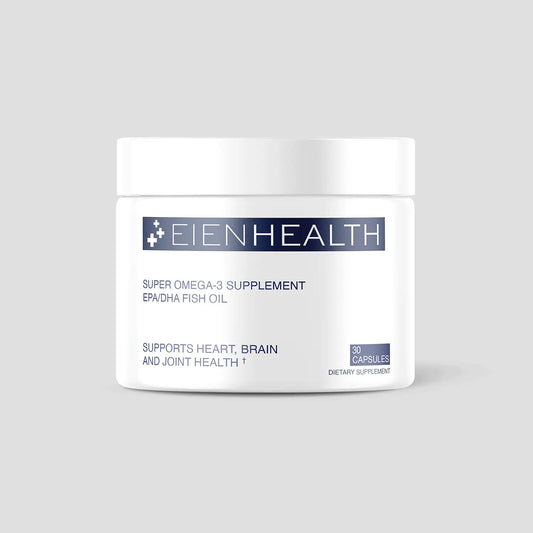
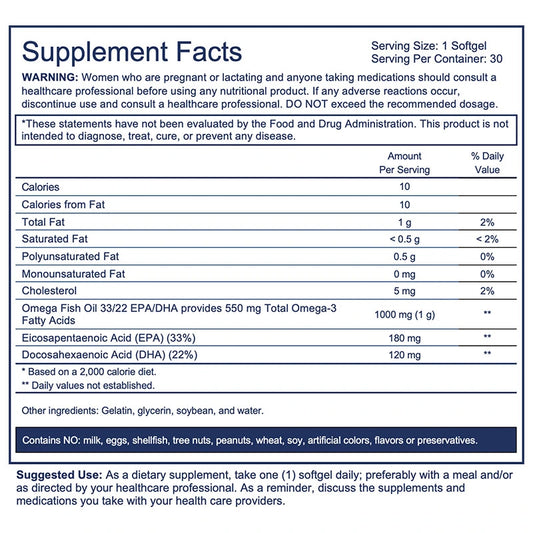
Additionally, incorporating supplements such as the Super Omega-3 Supplement Fish Oil from Eien Health can further enhance your efforts. Known for its anti-inflammatory properties, this supplement can be an excellent addition to your daily regimen.
Engage in Regular Physical Activity
Exercise might seem counterintuitive when you're experiencing pain, but staying active is crucial for joint health. Low-impact activities like swimming, cycling, or walking can help in maintaining flexibility and strengthening the muscles around your joints. As a bonus, regular exercise contributes to weight loss, which is a key factor in joint pain relief since excess weight puts additional strain on your joints.
Mindful Weight Management
Weight management plays a critical role in natural joint pain relief. Shedding those extra pounds reduces stress on weight-bearing joints like knees and hips. By achieving a healthy weight, you can experience significant joint pain relief for arthritis and other joint-related issues. If you're starting your weight loss journey, combining a nutritious diet with consistent exercise is a proven strategy. Check out Top Foods for Joint Ache Assistance to discover which foods can aid in your journey toward joint ache relief.
Stay Hydrated
Water is essential for lubricating joints and maintaining their elasticity. Dehydration can exacerbate joint discomfort, so it’s important to ensure that you’re drinking enough water throughout the day. Aim for at least 8 cups daily, and more if you’re physically active or living in a hot climate.
Consider Natural Supplements

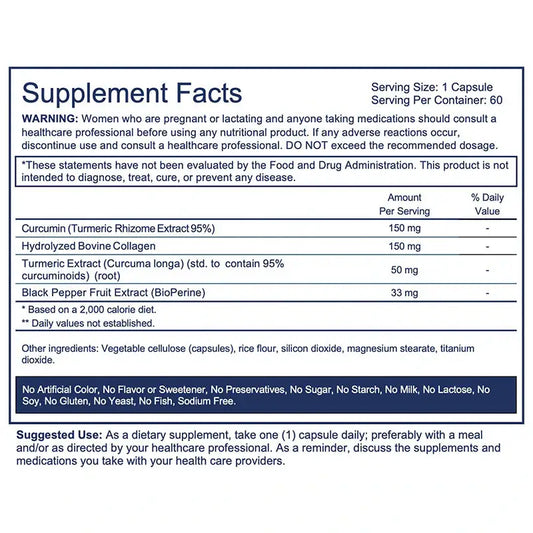
Natural supplements can provide additional support alongside a balanced diet and exercise. Triple Power® Joint Support from Eien Health is expertly formulated to support joint comfort and flexibility. This supplement can be a game-changer in your strategy for natural joint pain relief.
Establish a Routine
Consistency is key when it comes to managing joint pain. Establishing a daily routine that incorporates these habits can aid in achieving sustainable relief. From morning exercises to mindful eating, making these habits part of your everyday life can contribute to long-term health benefits.
For more actionable insights, delve into Joint Pain Relief Actionable Tips to explore practical steps that can be easily integrated into your lifestyle.
By embracing these simple habits, individuals can take significant steps toward managing their joint pain naturally. For comprehensive health solutions, visit Eien Health and explore the range of products and resources they offer to support your journey to better joint health.
FAQs
What are some simple daily habits that can help relieve joint pain naturally?
Incorporating gentle exercises like walking, swimming, or yoga into your daily routine can help improve joint flexibility and reduce stiffness. Additionally, maintaining a balanced diet rich in anti-inflammatory foods, such as fruits, vegetables, and omega-3 fatty acids, can promote joint health.
How does hydration affect joint health?
Staying properly hydrated is essential for joint health, as water helps lubricate the joints and cushion them during movement. Aim to drink plenty of fluids throughout the day, especially if you are active or live in a dry climate.
Can weight management contribute to joint relief?
Yes, maintaining a healthy weight can significantly impact joint health. Extra weight adds stress to joints, particularly the knees and hips, leading to increased pain and discomfort. By managing your weight through a balanced diet and regular physical activity, you can alleviate some of this pressure.
Are there specific exercises for joint relief?
Low-impact exercises such as cycling, swimming, and stretching routines are beneficial for joint relief. These activities help strengthen the muscles surrounding the joints and improve flexibility without putting excessive strain on them.
How can I reduce inflammation naturally?
Incorporating foods known for their anti-inflammatory properties, such as turmeric, ginger, berries, and leafy greens, can help reduce inflammation in the body. Additionally, regular physical activity and adequate rest are also important factors in managing inflammation.
What role does sleep play in joint health?
Good quality sleep is crucial for overall health and can have a positive impact on joint pain. Sleep allows the body to repair itself and reduces inflammation. Aim for 7-9 hours of restful sleep each night to support your joint health.
Is there a connection between stress and joint pain?
Yes, stress can exacerbate joint pain. When the body is under stress, it can lead to inflammation and heightened sensitivity to pain. Practicing relaxation techniques such as meditation, deep breathing exercises, or engaging in hobbies can help manage stress levels and improve joint comfort.
How does posture affect joint pain?
Poor posture can place undue strain on the joints, leading to pain and discomfort, especially in the back and neck. Being mindful of your posture while sitting, standing, and moving can help reduce joint stress and improve overall alignment.
Can lifestyle changes enhance joint mobility?
Absolutely! Small lifestyle changes, like incorporating short breaks during prolonged periods of sitting, using ergonomic furniture, and warming up before physical activity, can enhance joint mobility and reduce stiffness over time.