Joint pain can be an unrelenting burden, impacting your daily life in numerous ways. Whether you're experiencing discomfort from arthritis or other conditions, finding effective joint pain relief is essential for maintaining your quality of life. In this post, we'll explore practical methods to relieve joint ache, incorporating strategies from weight loss to natural joint pain relief solutions.
Table of Contents
- Table of Contents
- Embrace Weight Loss: A Key to Joint Pain Relief
- Dietary Supplements: Omega-3 for the Win
- Triple Support for Joint Health
- Safe Exercises for Joint Ache Relief
- The Power of Heat and Cold Therapy
- Stretching: Enhance Flexibility and Relieve Pain
- FAQs
Embrace Weight Loss: A Key to Joint Pain Relief
Carrying extra weight puts additional stress on your joints, which can exacerbate pain and discomfort. Weight loss is a crucial step in achieving joint ache relief, particularly for those who suffer from arthritis. By shedding excess pounds, you can significantly reduce the load on your joints, minimize inflammation, and improve mobility.
Dietary Supplements: Omega-3 for the Win

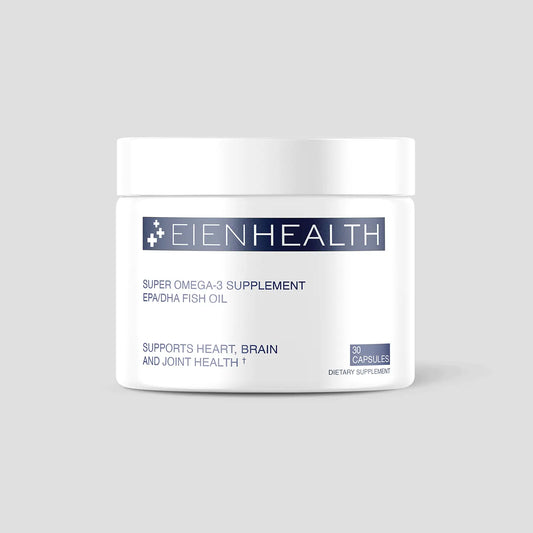
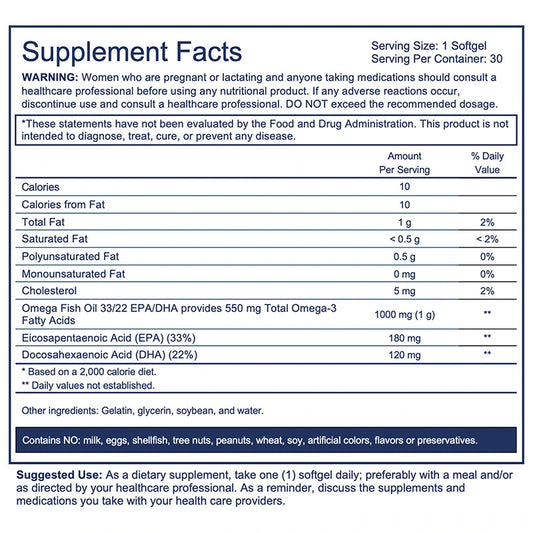
When it comes to natural joint pain relief, omega-3 fatty acids stand out due to their anti-inflammatory properties. Incorporating a quality fish oil supplement in your diet, such as the Super Omega-3 Supplement Fish Oil, can not only support overall health but also provide relief from joint discomfort. Omega-3s can reduce inflammation, which is a common underlying cause of joint pain.
For more tips on reducing joint discomfort naturally, check out our Natural Approaches to Alleviating Joint Pain article.
Triple Support for Joint Health

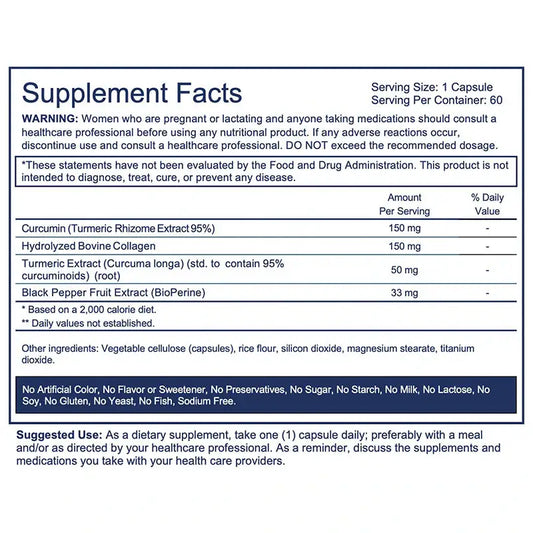
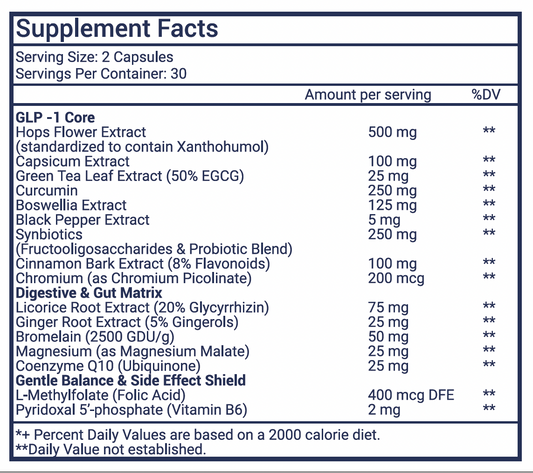
For those looking to address their joint issues more directly, the Triple Power® Joint Support supplement is a remarkable option. Specifically formulated to support joint health, this product can aid in alleviating joint pain associated with arthritis and other conditions. Its ingredients work synergistically to help improve joint flexibility, reduce inflammation, and promote overall joint health.
Safe Exercises for Joint Ache Relief
Gentle exercise is often touted as an effective way to find relief from joint pain. Activities like swimming, cycling, and yoga can help strengthen the muscles around your joints, increasing support and stability. Regular physical activity can also boost circulation and flexibility, key factors in alleviating joint discomfort.
For additional strategies on easing arthritic pain, read our article on Everyday Methods to Ease Arthritic Pain.
The Power of Heat and Cold Therapy
Alternating between heat and cold therapy is another practical method that can provide joint ache relief. Heat packs can help relax stiff joints and increase blood flow, while cold packs can reduce swelling and numb sharp pain. Experiment with both to see which method brings you the most comfort.
Stretching: Enhance Flexibility and Relieve Pain
Incorporating regular stretching into your routine can be a game-changer for joint pain relief. Stretching helps maintain joint flexibility and improve the range of motion, which can mitigate stiffness and reduce pain.
In conclusion, achieving relief from joint pain often requires a comprehensive approach. By embracing weight loss, exploring dietary supplements, engaging in safe physical activities, and experimenting with thermal therapies, you can significantly alleviate joint discomfort and improve your quality of life. For more insights and solutions, visit Eien Health.
This blog post provides a comprehensive look at practical methods to alleviate joint aches, integrating natural remedies, mindful movement, and strategic supplementation. Hopefully, you find these methods beneficial in your journey towards a more comfortable life.
FAQs
What are some simple lifestyle changes that can help relieve joint ache?
Incorporating regular low-impact exercise such as walking, swimming, or cycling can help maintain joint flexibility and strength. Additionally, ensuring a balanced diet rich in anti-inflammatory foods, like fruits, vegetables, and omega-3 fatty acids, can also support joint health.
How can heat and cold therapy be used to alleviate joint pain?
Heat therapy, such as warm baths or heating pads, can help relax muscles and improve blood flow to the affected area. Cold therapy, using ice packs or cold compresses, can reduce swelling and numb sharp pain. Alternating between the two can provide significant relief.
Are there specific stretches that can benefit joint health?
Gentle stretching exercises can greatly benefit joint flexibility and mobility. Stretches targeting the surrounding muscles, such as hamstrings, quads, and shoulders, can help reduce tension and improve range of motion in the joints.
Is maintaining a healthy weight important for joint pain management?
Yes, maintaining a healthy weight is crucial as excess weight places added stress on joints, especially weight-bearing ones like the hips and knees. Losing even a small amount of weight may significantly reduce pain and improve overall joint function.
Can hydration play a role in joint pain relief?
Absolutely! Staying well-hydrated helps maintain joint lubrication and supports overall cartilage health. Drinking ample water throughout the day can prevent stiffness and discomfort in the joints.
How can an anti-inflammatory diet help with joint ache?
An anti-inflammatory diet includes foods like berries, leafy greens, nuts, and fatty fish, which can help reduce inflammation in the body. This, in turn, may alleviate joint pain and improve mobility for those suffering from joint issues.
What are some over-the-counter options for joint pain relief?
Over-the-counter pain relievers such as acetaminophen or nonsteroidal anti-inflammatory drugs (NSAIDs) like ibuprofen and naproxen can help reduce pain and swelling. However, it's important to follow dosage guidelines and consult with a healthcare professional if necessary.
Are there alternative therapies that can assist with joint ache?
Yes, alternative therapies such as acupuncture, massage therapy, and physical therapy can be beneficial in managing joint pain. These approaches can help relieve tension, enhance mobility, and reduce pain in the affected joints.
When should I consider seeing a healthcare professional for joint pain?
If you experience persistent or severe joint pain, swelling, or stiffness that affects your daily activities, it’s advisable to consult a healthcare professional. Early intervention can help identify underlying issues and guide you to appropriate treatments.