Joint pain can transform everyday tasks into monumental challenges, but have you ever wondered if there might be simple solutions to alleviate this discomfort? The path to joint pain relief can be more straightforward than you think, using uncomplicated strategies focused on holistic wellness.
Table of Contents
- Table of Contents
- Joint Pain Relief Through Natural Remedies
- The Role of Weight Loss in Alleviating Joint Pain
- Embrace Movement for Joint Ache Relief
- Joint Support With Powerful Supplements
- Conclusion
- FAQs
Joint Pain Relief Through Natural Remedies

For individuals suffering from conditions like arthritis, finding effective joint pain relief is often a daunting journey. Many are turning to natural joint pain relief solutions as a means to manage their symptoms without relying heavily on pharmaceuticals.
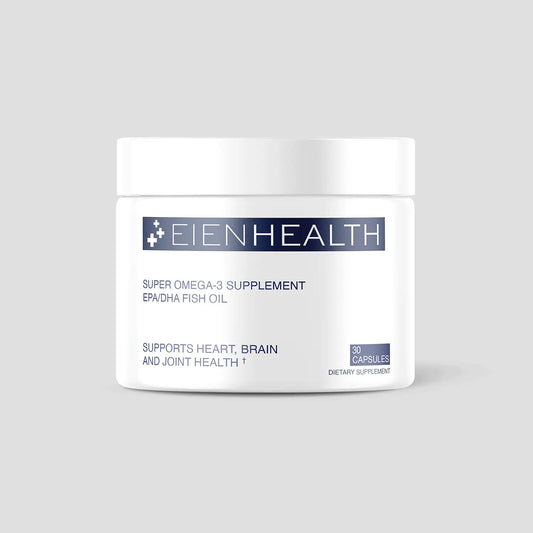
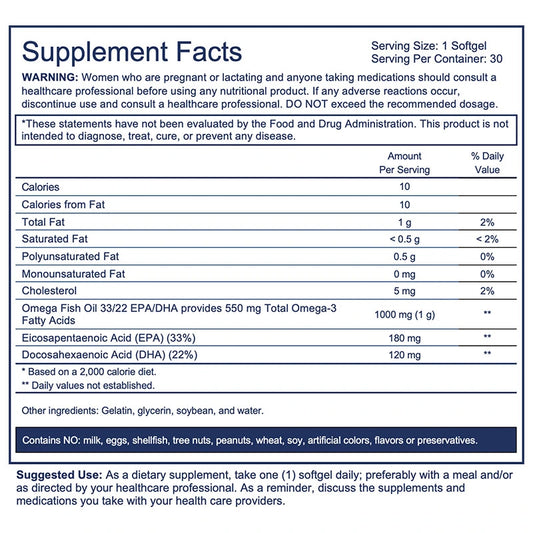
One promising method is incorporating supplements that enhance joint health, such as the Super Omega-3 Supplement Fish Oil. Packed with essential omega-3 fatty acids, this supplement not only supports cardiovascular health but also may play a crucial role in reducing inflammation, thereby providing natural joint pain relief.
The Role of Weight Loss in Alleviating Joint Pain
A surprising but pivotal component of managing joint pain is maintaining a healthy weight. Excess weight exerts additional pressure on joints, worsening inflammation and discomfort. Shedding those extra pounds can lead to significant improvements in joint pain, as outlined in our article on Effective Weight Loss for Joint Health.
Implementing a short-term weight loss plan, as discussed in Short-Term Weight Loss to Help Joint Pain, can alleviate pressure on the knees, hips, and other joints, leading to reduced pain levels. Embracing a balanced diet rich in vegetables and lean proteins is not only beneficial for losing weight but also aids in sustaining overall joint health.
Embrace Movement for Joint Ache Relief
Exercise might seem counterintuitive when dealing with joint pain, especially arthritis, but it's essential for maintaining mobility and strength. Low-impact activities such as swimming, cycling, and stretching can provide joint ache relief by promoting flexibility and strengthening the muscles that support the joints.
Moreover, integrating a daily routine of simple exercises can significantly contribute to long-term joint pain relief. Consider engaging regularly with a physical therapist to create a personalized plan that suits your needs and limitations.
Joint Support With Powerful Supplements

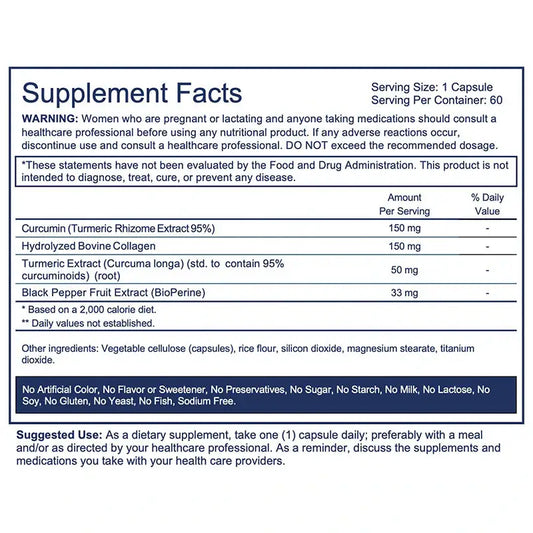
Supplements specifically designed for joint support can bolster joint function, offering a significant impact on your comfort levels. The Triple Power® Joint Support is an excellent option for those seeking comprehensive joint care. Formulated with beneficial ingredients that target joint health, it's a powerful ally in the fight against joint pain, providing relief and supporting overall joint well-being.
In conjunction with lifestyle changes and natural remedies discussed in Natural Remedies for Joint Pain Relief, these supplements can enhance your journey to achieving lasting joint health.
Conclusion
Whether it's through the adoption of natural supplements, weight loss, strategic exercise, or simple lifestyle adjustments, you have the power to combat joint pain effectively. Embrace these simple strategies and unlock the path to a life where joint ache no longer limits your potential.
For more information on natural health solutions and products that can aid your wellness journey, visit Eien Health.
FAQs
What are some common causes of joint ache?
Joint ache can be caused by a variety of factors, including arthritis, injury, overuse, inflammation, and conditions like bursitis or tendinitis. Lifestyle choices, such as lack of exercise or poor nutrition, can also contribute to joint pain.
How can I manage joint ache at home?
At-home management strategies include applying hot or cold compresses to the affected area, engaging in gentle stretching and low-impact exercises, maintaining a healthy diet rich in anti-inflammatory foods, and ensuring proper hydration.
Are there specific exercises that can help reduce joint pain?
Yes, gentle exercises like swimming, walking, and yoga can strengthen muscles around the joints and improve flexibility. Focus on low-impact activities that don't put too much strain on your joints.
How does hydration affect joint health?
Staying well-hydrated is crucial for joint health as it helps maintain the elasticity of cartilage and keeps joints lubricated. Water supports overall bodily functions, including nutrient transport to cells around the joints.
What role does diet play in joint pain management?
A balanced diet rich in omega-3 fatty acids, antioxidants, and vitamins can help reduce inflammation and support joint health. Incorporating foods like fatty fish, leafy greens, nuts, and berries may be beneficial.
Is there a connection between weight and joint pain?
Excess body weight can put additional stress on weight-bearing joints such as the knees and hips, potentially increasing pain levels. Maintaining a healthy weight through diet and exercise can significantly relieve joint strain.
When should I consider seeing a healthcare professional for joint pain?
If your joint pain is persistent, severe, or accompanied by swelling, redness, or decreased mobility, it may be time to consult a healthcare professional. Early intervention can help address underlying issues before they worsen.
Can alternative therapies help with joint pain?
Yes, alternative therapies such as acupuncture, massage therapy, and certain herbal supplements may provide relief for some individuals. It’s essential to discuss these options with a healthcare provider before starting any new treatment.
What lifestyle changes can help prevent joint ache?
Incorporating regular physical activity, maintaining a healthy weight, eating an anti-inflammatory diet, managing stress, and avoiding repetitive motions can help prevent joint ache and support overall joint health.