Joint pain is more than just an inconvenience; it's a daily challenge that affects millions of people worldwide. For those suffering from conditions like arthritis, finding effective, natural joint pain relief is a top priority. Fortunately, there are several strategies you can incorporate into your lifestyle to soothe joint aches and reclaim your mobility.
Table of Contents
- Table of Contents
- 1. Stay Active with Gentle Exercises
- 2. Maintain a Healthy Weight
- 3. Optimize Your Diet with Anti-inflammatory Foods
- 4. Integrate Natural Supplements
- 5. Heat and Cold Therapy
- 6. Consider Mindful Practices
- FAQs
1. Stay Active with Gentle Exercises
Exercise might be the last thing on your mind when joint pain flares up, but incorporating low-impact activities can significantly help in improving your symptoms. Regular movement encourages the flow of nutrients to your joints, facilitating repair and maintenance. Activities like swimming, yoga, and tai chi are gentle on the joints and offer substantial joint ache relief. For more insights, check out our article on Enhancing Mobility with Essential Joint Care.
2. Maintain a Healthy Weight
Weight management is a crucial component in reducing joint pain. Excess weight puts additional pressure on your joints, particularly the knees, hips, and back. Engaging in a balanced diet and regular exercise can lead to weight loss, which alleviates joint pain and enhances your quality of life. Our blog on Safe Ways to Address Chronic Joint Pain offers more tips on effective weight management.
3. Optimize Your Diet with Anti-inflammatory Foods

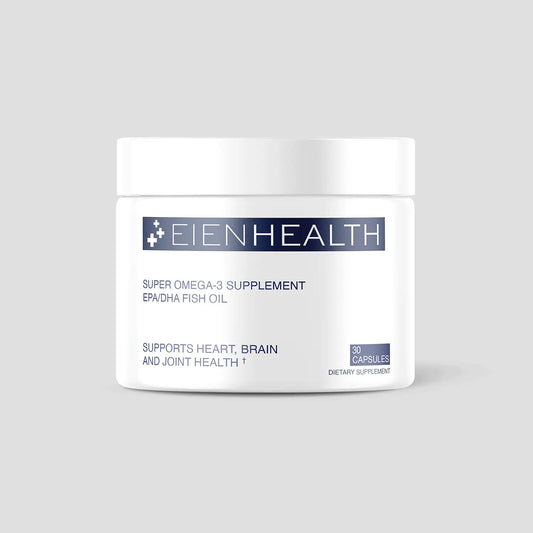
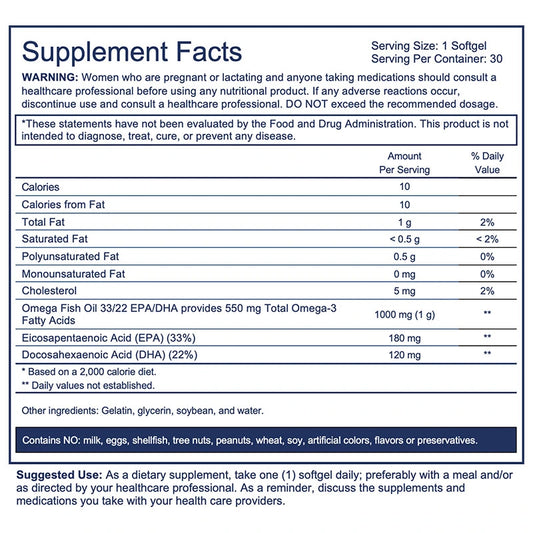
Diet plays a pivotal role in managing inflammation and, consequently, joint pain. Foods rich in omega-3 fatty acids, such as fish, flaxseeds, and walnuts, are especially beneficial. These foods can be supplemented with Super Omega-3 Supplement Fish Oil from our collection, offering concentrated power for reducing inflammation.
4. Integrate Natural Supplements

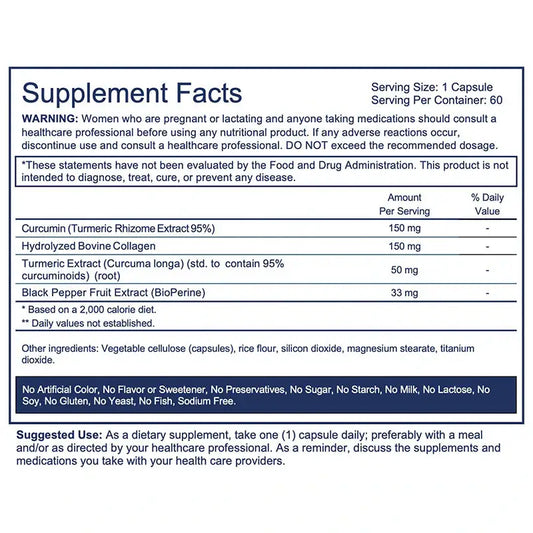
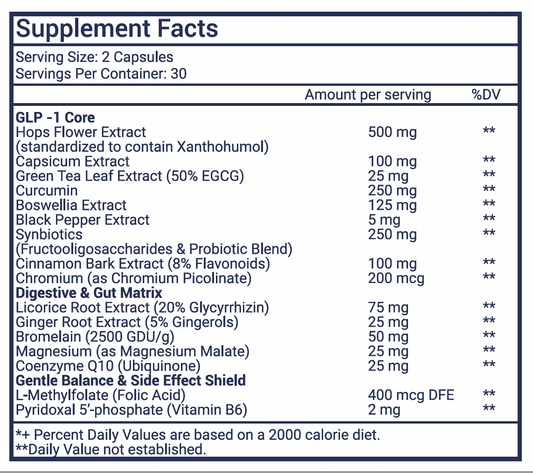
Natural supplements can offer additional support in your journey to achieve joint pain relief. The Triple Power® Joint Support is an excellent choice, combining potent ingredients designed to provide comprehensive joint support and improve mobility.
5. Heat and Cold Therapy
Alternating between heat and cold therapies is a simple yet effective way to manage joint pain. Heat increases circulation, bringing more nutrients to the area, while cold therapy helps in reducing inflammation and numbing sharp pain. Consider using a warm towel or cold pack a few times a day as a part of your joint ache relief regimen.
6. Consider Mindful Practices
Mindful practices like meditation and breathing exercises can greatly reduce the perception of pain. These techniques help in managing stress, which is often a pain amplifier. Dedicate a few minutes each day to these practices, and notice the gradual improvement in your ability to manage joint pain.
Lastly, ensure you're well-informed and stay updated with more of our tips and guides by exploring our blog at Eien Health. Discover more detailed approaches in our post on Joint Ache Relief with Everyday Practices for ongoing support.
Incorporating these natural strategies can create a powerful framework for joint pain relief to combat arthritis and other joint-related conditions effectively. Remember, every small change can lead to significant improvements over time.
FAQs
What are some natural remedies for joint pain?
Natural remedies for joint pain include applying heat or cold to the affected area, using essential oils like eucalyptus or peppermint, and incorporating anti-inflammatory herbs such as turmeric and ginger into your diet.
How can I incorporate exercise to help with joint pain?
Gentle exercises, such as swimming, walking, or yoga, can help improve flexibility and strengthen the muscles around the joints. Always consult with a healthcare provider before starting a new exercise routine tailored to your needs.
Are there specific foods that can help reduce joint pain?
Yes, foods rich in omega-3 fatty acids, such as fatty fish, walnuts, and flaxseeds, as well as fruits and vegetables high in antioxidants, like berries and leafy greens, can help reduce inflammation and alleviate joint pain.
How does staying hydrated affect joint health?
Staying well-hydrated is crucial for joint health as water helps keep the cartilage in joints lubricated and functioning properly. Aim to drink adequate amounts of water throughout the day.
Can stress impact joint pain?
Yes, stress can exacerbate joint pain by increasing inflammation in the body. Practice relaxation techniques such as meditation, deep breathing, or mindfulness to help manage stress levels.
Is there a connection between weight and joint pain?
Maintaining a healthy weight can significantly impact joint pain, especially in weight-bearing joints like the knees and hips. Reducing excess weight can relieve pressure on the joints and improve overall mobility.
How can sleep affect joint pain?
Quality sleep is essential for recovery and pain management. Poor sleep can heighten sensitivity to pain and increase inflammation, making it important to establish a healthy sleep routine.
Are there natural supplements that can support joint health?
Certain supplements such as glucosamine, chondroitin, and omega-3 fatty acids may help support joint health. It's important to consult a healthcare professional before starting any new supplement regime.
What lifestyle changes can I make to reduce joint pain?
Incorporating a balanced diet, regular exercise, maintaining a healthy weight, managing stress levels, and ensuring adequate hydration are effective lifestyle changes that can help reduce joint pain.