In today's world, where holistic health and wellness are becoming more popular, meditation is no longer just a spiritual practice; it's also a natural elixir for physical ailments like joint pain. If you're struggling with joint pain, weight loss challenges, or seeking effective joint pain relief, meditation offers a complementary solution worth exploring. For those particularly dealing with arthritis, meditation can be a gentle, yet powerful practice to ease discomfort and promote tranquility.
Table of Contents
- Table of Contents
- The Mind-Body Connection
- Starting with Breathing Techniques
- Incorporating Guided Imagery
- Loving-Kindness Meditation
- Meditation as an Adjunct to Lifestyle Changes
- Embracing A New Path
- FAQs
The Mind-Body Connection
It's no secret that the mind and body are interconnected. Stress and anxiety can exacerbate feelings of pain, thus triggering increased discomfort in the joints. Meditation can help in relaxing the mind, reducing stress levels, and consequently, diminishing the perception of pain. When practiced consistently, meditation contributes not only to natural joint pain relief but also aids in managing symptoms over time.
Starting with Breathing Techniques
A fundamental aspect of meditation is focused breathing. Controlled breathing techniques help calm the mind and ease joint ache. To start, find a quiet, comfortable place to sit or lie down. Focus on your breath as it naturally flows in and out. Each breath should be slow, steady, and deep. This practice lets your body relax and allows you to identify areas of tension, paving the way for joint pain relief.
Incorporating Guided Imagery

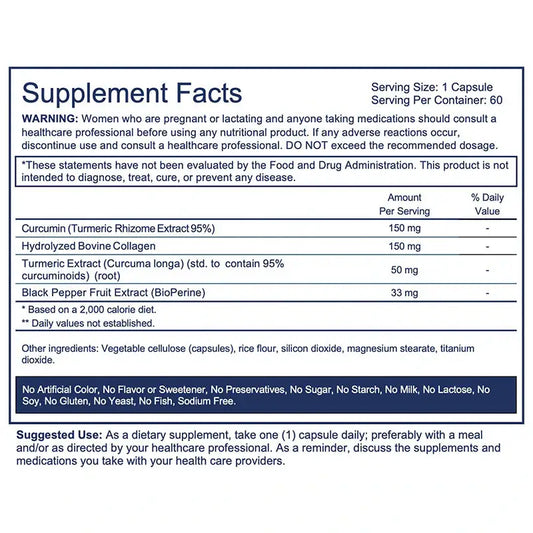
Guided imagery is a meditation practice where you visualize peaceful scenarios that soothe the body and mind. Imagine warm streams of light flowing over your joints, bringing joint pain relief and comfort. This visualization technique, aligned with the healing properties of additional supports like the Triple Power® Joint Support, assists in maximizing the relaxation effect.
Loving-Kindness Meditation
Exploring the realm of Loving-Kindness Meditation focuses on sending good wishes to oneself and others. This uplifting practice reduces emotional tension and fosters a mindset filled with compassion. It can bolster emotional resilience, which is critical when encountering chronic issues like joint pain and arthritis.
Meditation as an Adjunct to Lifestyle Changes

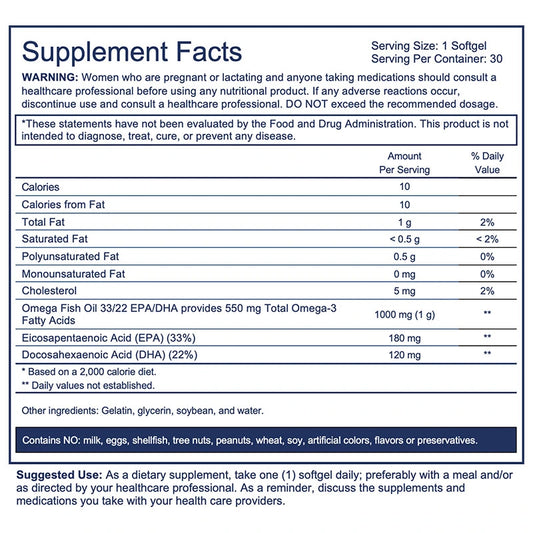
Combining meditation practices with lifestyle adjustments further strengthens their efficacy. According to research, weight loss can significantly alleviate the pressure on joints, reducing discomfort. Artefacts such as Super Omega-3 Supplement Fish Oil, can be beneficial when included as part of a diet that supports joint health.
Moreover, consider introducing simple physical activities and stretching routines into your daily life. Read our guide on Easy Exercises for Arthritis Pain Relief and Stretching Routines for Joint Ache Relief for exercises and stretches that complement meditation.
Dietary changes are also essential in achieving joint pain relief. Foods rich in omega-3 and other anti-inflammatory nutrients support joint health, as detailed in our article on Dietary Changes for Joint Pain Relief.
Embracing A New Path
By incorporating meditation into your daily routine, you embark on a mindful journey towards alleviating joint pain naturally. This practice enhances your ability to manage stress and improves physical comfort over time. For a holistic approach, meditate consistently, focus on maintaining a healthy weight, and consider products like Triple Power® Joint Support and Super Omega-3 Supplement Fish Oil to further boost your joint health.
For more insights into joint health and natural healing practices, visit Eien Health and uncover the strategies that align with your wellness goals.
FAQs
What is meditation, and how can it help with joint pain relief?
Meditation is a practice that involves focused attention and mindfulness, which can help reduce stress and promote relaxation. This reduction in stress can lead to decreased muscle tension and inflammation, potentially alleviating joint pain.
Are there specific types of meditation that are more effective for joint pain?
Yes, mindfulness meditation, body scan meditation, and guided imagery are often recommended for managing pain. These techniques encourage awareness of physical sensations without judgment, which can help you cope better with discomfort.
How often should I meditate for the best results in pain relief?
Consistency is key. Aiming for at least 10-20 minutes of meditation daily can be beneficial. However, even short sessions can be effective, so find a routine that fits your lifestyle and stick with it.
Can meditation be used alongside other treatments for joint pain?
Absolutely! Meditation can complement other treatments, such as physical therapy or medication, by helping to improve your overall mental and emotional well-being, which can enhance the effectiveness of physical treatments.
Is there evidence to support the effectiveness of meditation for joint pain?
Yes, several studies suggest that meditation can reduce reported pain levels and improve the overall quality of life for those suffering from chronic pain, including joint pain.
Do I need any special equipment or environment to meditate for joint pain relief?
No special equipment is necessary! You can practice meditation anywhere that's quiet and comfortable. You might consider using a cushion or chair to maintain a comfortable posture.
How do I get started with meditation if I’ve never done it before?
Begin with simple practices such as focusing on your breath for a few minutes, listening to guided meditations, or joining a local class or online group. Gradually increase the duration as you become more comfortable.
Can meditation help manage emotional aspects of chronic pain as well?
Yes, meditation can help address the emotional components of chronic pain by fostering a sense of calm and resilience. It can help reduce feelings of anxiety and depression that often accompany chronic pain conditions.
What should I do if I find it hard to concentrate while meditating?
It's common to struggle with concentration, especially at first. Gently return your focus to your breath or the guided meditation without self-criticism. Over time, you’ll likely find it easier to maintain your focus.