Joint pain can be a debilitating condition that affects millions of people worldwide. Whether you're dealing with joint pain due to arthritis or from other causes, finding relief can feel like a never-ending quest. The good news is that there are practical steps you can take to alleviate joint discomfort and improve your quality of life. Below, we explore actionable strategies for relieving joint pain, focusing on lifestyle changes, natural remedies, and supplements.
Table of Contents
- Table of Contents
- The Weight of Weight Loss
- Exercise: Friend or Foe?
- Embrace the Omega Power
- Natural Supplements for Joint Pain Relief
- Eating for Joint Health
- Harnessing the Power of Nature
- Small Changes, Big Impact
- FAQs
The Weight of Weight Loss
One of the most effective methods for joint pain relief is maintaining a healthy weight. Extra pounds put additional stress on your joints, especially the knees, hips, and lower back. According to experts, losing just 10 pounds can relieve 30 to 50 pounds of pressure per step on your lower joints. Start with small, achievable goals to make a big impact on joint ache relief.
Exercise: Friend or Foe?
While the thought of moving a painful joint might make you wince, regular exercise is crucial for joint pain relief. Low-impact activities such as swimming, cycling, and walking can strengthen muscles around the joints and promote flexibility. Tailored movements, as detailed in the Tailored Joint Pain Relief for Arthritis Solutions article, can help you stay active without exacerbating pain.
Embrace the Omega Power

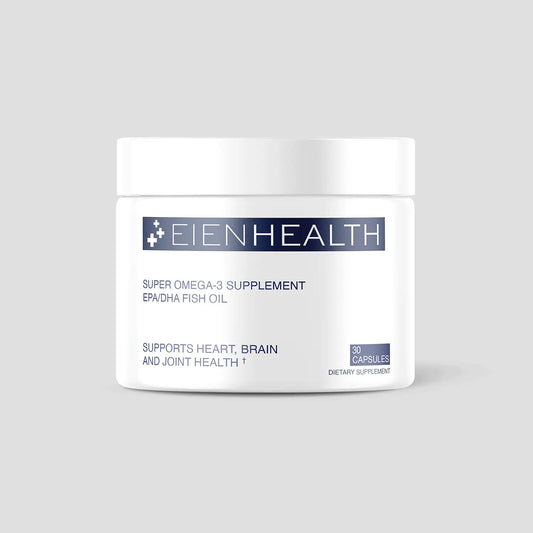
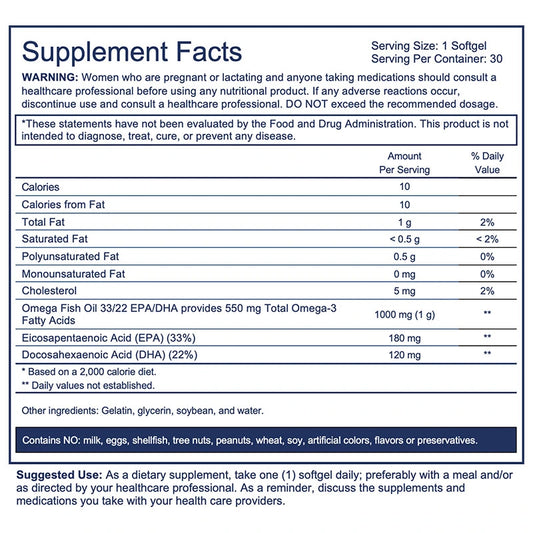
Omega-3 fatty acids are known for their anti-inflammatory properties, which can be especially beneficial for those struggling with arthritis. Incorporating omega-3-rich foods like fish into your diet or taking supplements can help reduce joint stiffness and pain. Consider trying the Super Omega-3 Supplement Fish Oil for a natural joint pain relief boost.
Natural Supplements for Joint Pain Relief

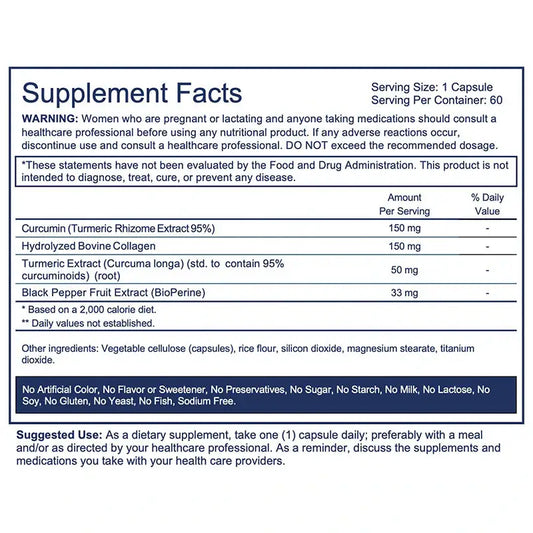
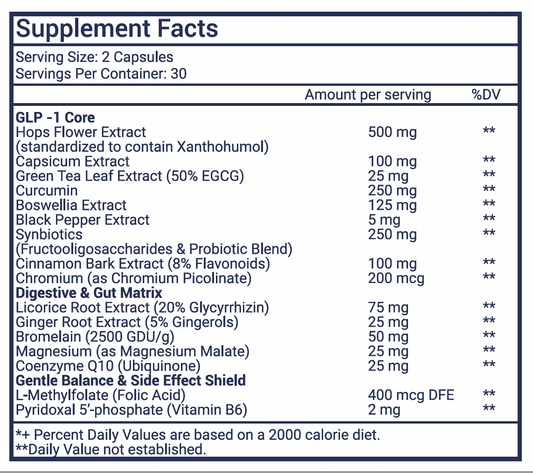
Incorporating natural supplements can be an effective way to combat joint pain without resorting to invasive methods. Products like Triple Power® Joint Support offer a blend of essential nutrients that promote joint health and flexibility. For more insights on achieving relief without drastic measures, check out the article Successful Joint Pain Relief Without Invasive Methods.
Eating for Joint Health
A balanced diet rich in antioxidants, vitamins, and minerals can play a significant role in alleviating joint pain. Focus on anti-inflammatory foods such as leafy greens, berries, nuts, and fatty fish. These foods not only provide joint pain relief but also aid in overall wellness.
Harnessing the Power of Nature
Nature offers a plethora of options for managing joint pain. Essential oils, herbal remedies, and acupuncture can provide joint ache relief for some individuals. To explore various natural paths, see the article Unlock Natural Paths to Joint Pain Relief.
Small Changes, Big Impact
Alleviating joint pain is a journey that involves making informed choices and gradual tweaks to your lifestyle. Choose supportive footwear, practice good posture, and consider physical therapy as ways to minimize joint stress.
By combining weight management, regular exercise, and a nutritious diet with the right supplements, you can effectively manage your joint pain. For more resources and products that support joint health, visit EIEN Health.
Remember, always consult with healthcare professionals before starting any new treatment or supplement regimen. Your path to joint pain relief is uniquely yours, and with the right tools, it is entirely achievable.
FAQs
What are some common causes of joint pain?
Common causes of joint pain include arthritis, injuries, overuse, aging, and conditions such as bursitis or tendinitis. Lifestyle factors like obesity and lack of physical activity can also contribute to joint discomfort.
How can I alleviate joint pain at home?
At-home remedies for joint pain relief include applying ice or heat packs, practicing gentle stretching and exercises, and using over-the-counter pain relief creams. Maintaining a healthy diet and staying hydrated can also help manage discomfort.
Is exercise beneficial for joint pain?
Yes, regular low-impact exercises such as swimming, walking, or cycling can help strengthen the muscles around the joints, improve flexibility, and reduce pain. Always consult with a healthcare professional before starting a new exercise regimen.
Are there specific dietary changes that can help with joint pain?
Incorporating anti-inflammatory foods into your diet, such as fatty fish, nuts, fruits, and vegetables, may help reduce inflammation and joint pain. It's also wise to limit processed foods, sugar, and excessive salt.
When should I see a healthcare professional for joint pain?
You should consult with a healthcare professional if your joint pain is severe, persistent, or worsening. Additional symptoms like swelling, redness, or reduced mobility may also warrant a visit for further evaluation.
Can supplements help alleviate joint pain?
Some supplements, like glucosamine, chondroitin, and omega-3 fatty acids, are believed to support joint health and reduce discomfort. However, it's important to discuss any supplements with your doctor before starting them.
What role does weight management play in joint pain relief?
Maintaining a healthy weight can significantly reduce pressure on the joints, particularly the knees, hips, and spine. Weight loss can lead to reduced pain and improved joint function for many individuals experiencing joint discomfort.
Are there specific stretches that can help with joint pain?
Gentle stretches focusing on the affected joints and surrounding muscles can improve flexibility and reduce stiffness. Activities like yoga or tai chi can also be beneficial for maintaining joint health and relieving pain.
Can mindfulness or relaxation techniques assist in managing joint pain?
Mindfulness practices, such as meditation and deep breathing, may help individuals manage pain perception and reduce stress, which can sometimes exacerbate physical discomfort. Relaxation techniques can be a valuable part of a comprehensive pain management plan.