Joint pain is a common issue that affects millions worldwide. Whether due to aging, arthritis, or lifestyle factors, it can significantly impact daily life. If you're one of those looking for joint pain relief, rest assured there are natural and effective methods to help alleviate the discomfort and improve your quality of life. Let's explore some everyday practices that can bring joint ache relief.
Table of Contents
- Table of Contents
- Understanding the Root of the Ache
- Weight Loss: A Pillar for Joint Health
- Movement and Exercise
- Mind the Essentials: Omega-3 Fatty Acids
- Joint Support with the Right Supplements
- Tips for Arthritis Sufferers
- FAQs
Understanding the Root of the Ache
Joint pain often stems from inflammation, overuse, or conditions such as arthritis. For many, this pain is chronic and affects their mobility and lifestyle. While medication can provide relief, integrating natural joint pain relief methods can bring long-term benefits without unwanted side effects. A holistic approach that considers diet, exercise, and supplementation can be vital in addressing joint pain relief for arthritis and other joint-related concerns.
Weight Loss: A Pillar for Joint Health
Carrying extra weight places additional stress on your joints, particularly in the hips, knees, and ankles. Weight loss can significantly alleviate this pressure, leading to reduced joint pain. In our article, Weight Loss Insights for Better Joint Health, we discuss how losing weight can contribute to natural joint pain relief and improve overall joint function. Incorporating a balanced diet and regular physical activity can be the first step towards easing your joint discomfort.
Movement and Exercise
Engaging in regular, low-impact exercise can enhance flexibility and strengthen the muscles around the joints. Activities like swimming, cycling, or yoga increase joint mobility without causing excessive strain. Gentle stretching and strengthening exercises can also be beneficial; they stabilize the joints and reduce the risk of injury. Remember, consistent movement is crucial—it's like oiling the wheels of a machine.
Mind the Essentials: Omega-3 Fatty Acids

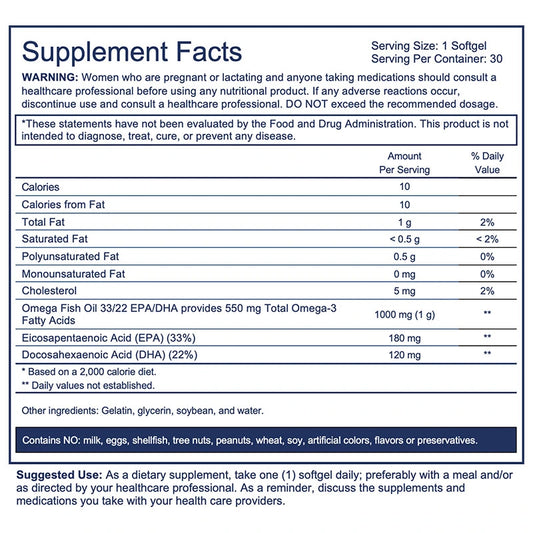
Omega-3 fatty acids are known for their anti-inflammatory properties, making them an excellent addition to your strategy for managing joint pain. Utilizing supplements such as Super Omega-3 Supplement Fish Oil can support your body’s anti-inflammatory processes, potentially leading to improved joint health and reduced pain.
Joint Support with the Right Supplements

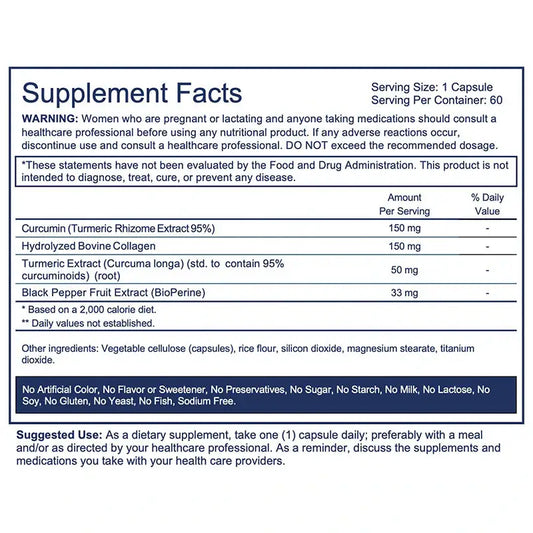
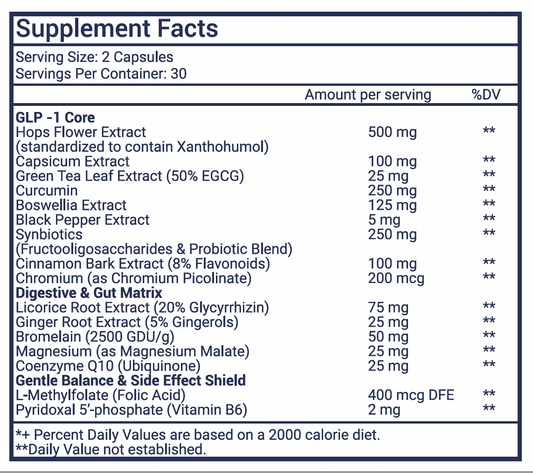
Choosing the right supplements can be a game-changer in achieving joint ache relief. Consider incorporating Triple Power® Joint Support, which is specifically designed to support joint health and provide relief from daily aches and pains. These supplements can enhance your overall joint function and well-being.
Tips for Arthritis Sufferers
Arthritis sufferers can benefit from specific strategies aimed at pain relief. Adaptation in lifestyle, such as using ergonomic tools and practicing joint protection techniques, can make daily activities more comfortable. For more on this topic, you might find the article on Joint Pain Relief Tricks for Arthritis Sufferers insightful.
In conclusion, natural and everyday practices can contribute immensely to managing joint pain. Explore different combinations to find what works best for you, and be patient with your journey towards joint ache relief. For more insights into safe and natural ways to manage chronic joint pain, check out our detailed post on Safe Ways to Address Chronic Joint Pain.
Explore more of our products and resources at eienhealth.com to support your path to better joint health.
FAQs
What are some simple everyday practices for relieving joint aches?
Regular activities such as gentle stretching, low-impact exercises like walking or swimming, and maintaining a healthy weight can help alleviate joint pain. Additionally, incorporating relaxation techniques like meditation or yoga may also provide relief.
Can diet influence joint pain?
Yes, a balanced diet rich in anti-inflammatory foods such as fruits, vegetables, whole grains, and healthy fats can play a significant role in reducing joint discomfort. Foods high in omega-3 fatty acids, like fatty fish, can be particularly beneficial.
How does staying hydrated impact joint health?
Proper hydration is vital for maintaining joint lubrication and function. Drinking enough water daily can help keep the joints well-hydrated, which may lessen stiffness and discomfort.
Is heat or cold therapy more effective for joint aches?
Both heat and cold therapies can be effective for different types of joint pain. Heat can help relax muscles and improve circulation, while cold can reduce swelling and numb sharp pain. It's advisable to experiment and see which method provides more relief for your specific situation.
How can I improve my posture to help relieve joint pain?
Improving your posture through mindfulness and conscious effort can significantly reduce strain on your joints. Consider ergonomic adjustments in your workspace, engaging in posture-corrective exercises, and using supportive furniture to promote better alignment.
Are there specific exercises recommended for joint health?
Low-impact exercises like swimming, cycling, and tai chi can be excellent for joint health. Strength training with light weights can also help build the muscles around your joints, providing additional support.
Can stress have an impact on joint pain?
Yes, stress can exacerbate joint pain by increasing muscle tension and inflammation. Implementing stress-reduction techniques, such as deep breathing, mindfulness, and regular physical activity, can help manage both stress and associated joint discomfort.
What role does sleep play in joint pain management?
Quality sleep is essential for overall health, including joint health. Adequate rest promotes recovery and repair in the body, potentially reducing inflammation and discomfort. Establishing a regular sleep routine can contribute to better joint health.
When should I consult a healthcare professional about joint pain?
If joint pain persists, worsens over time, or is accompanied by other symptoms such as swelling, fever, or significant limitations in mobility, it’s a good idea to seek medical advice. A healthcare professional can provide clearer guidance and treatment options tailored to your specific needs.