Joint pain can be an incessant, nagging companion that makes even the simplest of tasks burdensome. Whether it’s the twinge in your knee on a morning run or the ache in your fingers while typing, finding a way to alleviate this discomfort is essential. Luckily, there are natural solutions to explore that promise joint pain relief without relying on pharmaceuticals. Below, we dive into some effective strategies that could lead you to a more comfortable life.
Table of Contents
- Table of Contents
- Understanding the Root Causes
- Weight Loss: A Natural Ally
- Nutritional Support
- The Power of Supplements
- Exercise: Boosting Mobility and Strength
- Proven Techniques and Lifestyle Adjustments
- Conclusion
- FAQs
Understanding the Root Causes
Before jumping into solutions, it's crucial to understand why joint pain occurs. Common causes include arthritis, aging, and injuries, all of which can contribute to inflammation and discomfort. Identifying your specific trigger will help you tailor your approach to natural joint pain relief.
Weight Loss: A Natural Ally
One of the most effective strategies for joint ache relief is maintaining a healthy weight. Extra pounds put additional strain on your joints, especially in load-bearing areas like the knees and hips. By shedding excess weight, you might notice a significant reduction in your pain levels. For more on weight loss and joint health, check out our Natural Methods to Enhance Joint Pain Relief.
Nutritional Support

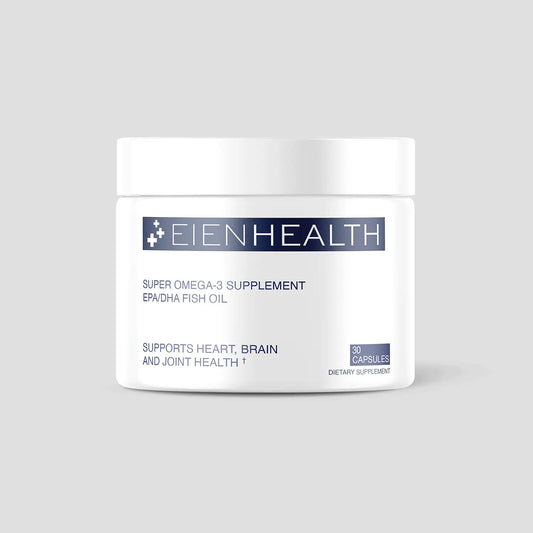
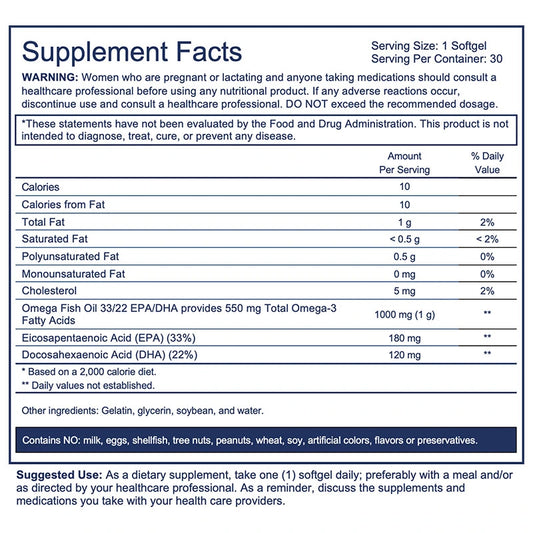
Diet plays a crucial role in managing joint pain, particularly for those dealing with arthritis. Incorporating foods rich in omega-3 fatty acids can reduce inflammation and provide joint pain relief. Consider supplementing your diet with our Super Omega-3 Supplement Fish Oil, which is designed to support joint health naturally.
The Power of Supplements

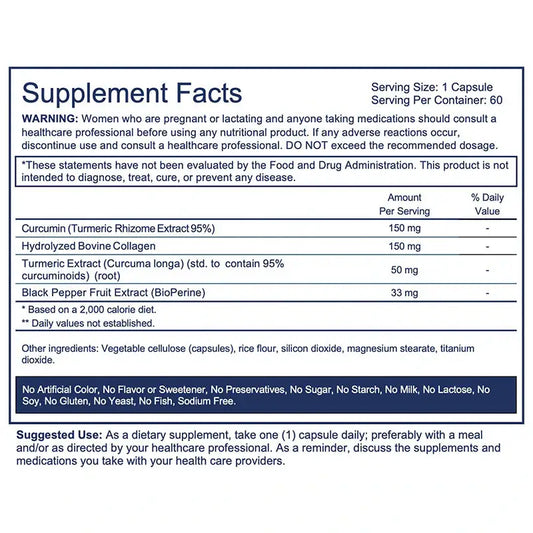
Sometimes, your body needs extra help to fight off inflammation and discomfort. Supplements such as our Triple Power® Joint Support are formulated to target joint pain specifically. This natural remedy can enhance your regimen, providing the joint pain relief necessary to keep moving without hindrance.
Exercise: Boosting Mobility and Strength
Regular physical activity is essential for maintaining joint flexibility and muscle strength. Low-impact exercises like swimming, cycling, and yoga keep your joints active without adding excessive stress. Not sure how to begin? Explore our guide on Mastering Joint Pain Relief Without Medication for exercise tips tailored to joint health.
Proven Techniques and Lifestyle Adjustments
In addition to the above methods, techniques like acupuncture, massage, and physical therapy can offer joint ache relief. Simple lifestyle adjustments such as maintaining good posture, using ergonomic tools, or engaging in regular stretching routines have also been shown to ease joint stiffness and pain. Dive deeper into Proven Techniques to Alleviate Joint Pain to discover more methods.
Conclusion
Ultimately, managing joint pain is about finding the right combination of lifestyle changes, dietary adjustments, and natural supplements. Although it requires patience and experimentation, achieving joint pain relief is indeed possible. At Eien Health, we are committed to helping you find the best natural joint pain solutions that work for you. Explore our range of products and resources to embark on your journey to a pain-free life.
FAQs
What are some common natural remedies for joint pain?
There are various natural remedies that can help alleviate joint pain, including turmeric, ginger, omega-3 fatty acids, and glucosamine supplements. Additionally, regular physical activity and maintaining a healthy weight can significantly benefit joint health.
How does diet impact joint pain?
A healthy diet rich in anti-inflammatory foods, such as fruits, vegetables, nuts, and whole grains, can help reduce inflammation and pain in the joints. Foods high in omega-3 fatty acids, like fatty fish, may also contribute to joint comfort by lowering inflammation levels in the body.
Can physical therapy help with joint pain?
Yes, physical therapy can be an effective way to manage joint pain. A qualified therapist can create a personalized exercise program that improves strength, flexibility, and range of motion, ultimately reducing pain and enhancing joint function.
Are there specific exercises to avoid with joint pain?
Individuals with joint pain should generally avoid high-impact activities, such as running and jumping, which can worsen symptoms. Instead, low-impact exercises like swimming, cycling, or walking can help maintain physical fitness while minimizing strain on the joints.
How does stress affect joint pain?
Stress can exacerbate joint pain by increasing inflammation in the body and contributing to muscle tension. Practicing relaxation techniques such as yoga, meditation, or deep breathing may aid in reducing stress and its impact on joint pain.
What role does sleep play in managing joint pain?
Quality sleep is essential for overall health, including joint pain management. Poor sleep can lead to increased sensitivity to pain and hinder the body’s healing processes. Establishing good sleep hygiene, such as maintaining a consistent schedule and creating a comfortable sleep environment, can help.
Are there any supplements that may help with joint pain relief?
Certain supplements, like glucosamine and chondroitin, are commonly used for managing joint pain. Additionally, some find that natural options like fish oil and vitamin D can also support joint health. It’s important to consult a healthcare professional before starting any new supplement regimen.
How can hot and cold therapy aid in joint pain relief?
Hot and cold therapy can provide temporary relief from joint pain. Heat can relax muscles and improve blood circulation, while cold therapy can reduce swelling and numb sharp pain. Alternating between these methods can often yield beneficial results for managing discomfort.
When should I consult a healthcare professional about joint pain?
It's advisable to consult a healthcare professional if joint pain persists for more than a few weeks, worsens, or is accompanied by other symptoms like swelling, redness, or fever. They can help diagnose the underlying cause of pain and suggest appropriate treatment options.