In the rapidly evolving landscape of health and wellness, weight management is a cornerstone of maintaining a vibrant lifestyle. For those exploring natural alternatives to stimulate weight loss, especially those over 40, GLP-1 agonists are creating waves as an effective, science-backed solution. This blog dives into how these natural allies can work alongside your body’s processes to champion effective weight management.
Table of Contents
- Table of Contents
- The Science of GLP-1 Agonists
- Non-Injectable Weight Loss Supplements: The New Gold Standard
- Tailored Solutions for Those Over 40
- Why Eien Health?
- FAQs
The Science of GLP-1 Agonists

GLP-1 agonists, originally stemming from diabetes treatment protocols, have become a powerhouse in natural weight management support. GLP-1, or glucagon-like peptide-1, acts by enhancing insulin secretion, which leads to reduced appetite and a slower glucose absorption rate. What distinguishes these agonists is their ability to stimulate your body’s natural pathways to aid in weight loss, making them a stellar component of a natural fat burner regimen.
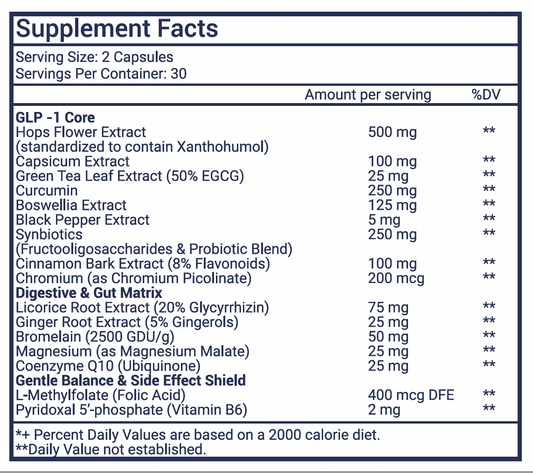
In a world craving holistic solutions, these naturally derived benefits are pivotal, especially partnered with Eien Health's GLP-1 Support | Advanced Gut + Mobility Supplement, which not only supports gut health but also boosts mobility—central pillars for weight loss in men and women over 40.
Non-Injectable Weight Loss Supplements: The New Gold Standard
For many, the idea of injections can be daunting. Fortunately, non-injectable weight loss supplements offer an alternative that comes without the discomfort. This form of delivery ensures you are assisting your body with potent, yet gentle, compounds that support your journey to a healthier weight. Don't just take our word for it—explore how non-injectable options can be effective through our article on Non-Injectable Weight Loss Solutions for Men.
Tailored Solutions for Those Over 40
Embarking on a weight loss journey over the age of 40 comes with its unique set of challenges, including slower metabolic rates and lifestyle-induced weight gain. Here, GLP-1 agonists shine by providing targeted support that aligns with the body’s evolved needs.
For men seeking tailored solutions, options focused on natural fat burners that prioritize metabolism are paramount. The insights from Safe Solutions for Men’s Weight Loss illuminate how safe, non-surgical methods can drive substantive results.
Similarly, for women, the customizable nature of GLP-1 supplements offers a level of personalization that works as the best natural weight loss supplement, adjusting to hormonal balances and metabolic shifts commonly experienced during this life stage.
Why Eien Health?
At Eien Health, we prioritize products that align with your body's natural rhythms, turning to nature to find the best ways to support your health journey. Exploring GLP-1 agonists through products like our GLP-1 Support highlights our commitment to innovation and natural wellness. Discover more about our philosophy and products at Eien Health.
In summary, for those over 40, intelligent strategies that include scientifically backed natural supplements can ensure sustainable weight management. Dive deeper into how natural supplements make a significant difference by reading Best Natural Supplements for Sustainable Weight Loss.
Harness the transformative power of GLP-1 agonists to reclaim your health narrative and forge a path toward a balanced, healthier you.
FAQs
What are GLP-1 agonists?GLP-1 agonists are a class of medications that mimic the action of the glucagon-like peptide-1, a hormone involved in glucose regulation and appetite control. They help lower blood sugar levels and promote weight loss by enhancing insulin secretion and reducing hunger.
How do GLP-1 agonists work in the body?GLP-1 agonists stimulate the release of insulin from the pancreas in response to meals, slow gastric emptying, and decrease appetite, which together help maintain healthy blood sugar levels and potentially reduce body weight.
Who can benefit from GLP-1 agonists?Individuals with type 2 diabetes who struggle to manage their blood sugar levels with diet and exercise might benefit from GLP-1 agonists. Additionally, those who are overweight or obese and facing health issues related to weight may find these medications helpful as part of a comprehensive treatment plan.
Are GLP-1 agonists safe to use?While GLP-1 agonists are generally considered safe for many individuals, they may not be suitable for everyone. It is essential to consult a healthcare provider to evaluate potential risks, particularly for those with a history of pancreatitis or certain other health conditions.
What are some common side effects of GLP-1 agonists?Common side effects of GLP-1 agonists include nausea, vomiting, diarrhea, and abdominal pain. These effects may decrease over time, but it is important to discuss any persistent symptoms with a healthcare professional.
Can GLP-1 agonists be used in conjunction with other therapies?Yes, GLP-1 agonists can often be used alongside other lifestyle interventions and medications for diabetes or weight management. However, any combination treatment should be monitored closely under a healthcare provider's guidance.
How long does it take to see results from GLP-1 agonist treatment?Results can vary based on individual circumstances, but many people may begin to notice improvements in blood sugar levels and weight loss within a few weeks of starting treatment. Regular follow-up with a healthcare provider is important to assess progress.
Are there any lifestyle changes recommended while using GLP-1 agonists?Incorporating a balanced diet, regular physical activity, and monitoring blood sugar levels are essential components of managing health effectively. A healthcare provider can offer tailored advice to complement GLP-1 agonist therapy.
What should I do if I experience severe side effects?If you experience severe side effects or symptoms that are concerning, it is crucial to contact your healthcare provider immediately. They can evaluate your situation and determine the appropriate next steps, which may include adjusting your treatment plan.