As the leaves begin to change and the crisp autumn air sets in, those suffering from joint pain, especially due to arthritis, might sense a shift in comfort levels. However, there are plenty of ways to counteract these seasonal challenges and maintain a life filled with joy and ease. Here, we explore insightful strategies to achieve joint pain relief this fall.
Table of Contents
- Table of Contents
- Understanding the Pain
- Stay Active and Manage Weight
- Diet Adjustments
- Incorporate Targeted Supplements
- Warm Compresses and Hot Baths
- Embrace Restful Sleep
- Decrease Stress with Relaxing Activities
- Consulting Healthcare Professionals
- Conclusion
- FAQs
Understanding the Pain
Arthritis is a condition that wreaks havoc on the joints, causing inflammation, stiffness, and persistent joint ache. But why does joint pain intensify during the fall? The drop in atmospheric pressure during colder months can lead to swelling in joints, exacerbating discomfort.
Stay Active and Manage Weight
A key strategy in managing arthritis pain is regular physical activity. Gentle exercises such as yoga and stretching can enhance flexibility and strength, promoting natural joint pain relief. Additionally, it is essential to focus on weight management. Weight loss should be gradual and steady, as excess weight increases stress on joints, intensifying pain. Discover more about the impact of weight on joint pain relief here.
Diet Adjustments

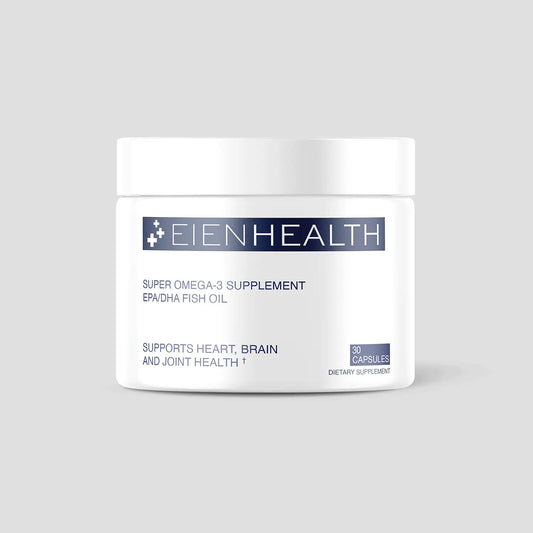
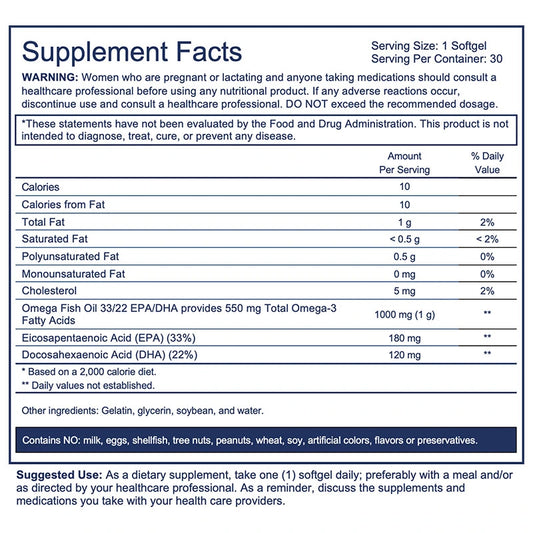
Maintaining an anti-inflammatory diet can alleviate symptoms significantly. Foods rich in omega-3 fatty acids, like fish, nuts, and seeds, are valuable for joint health. Consider supplementing with Super Omega-3 Supplement Fish Oil for an extra boost.
Incorporate Targeted Supplements

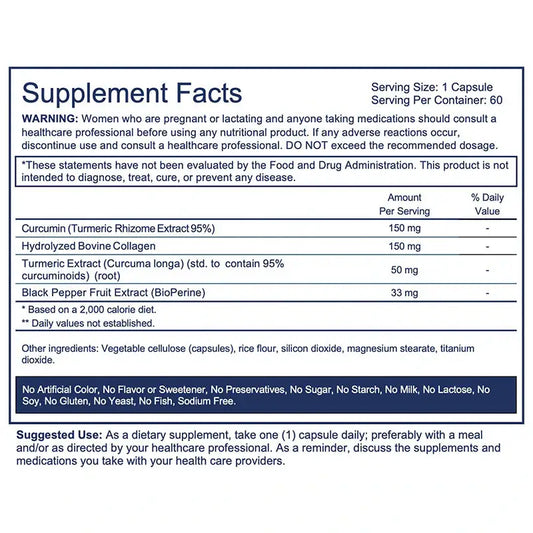
Supplements formulated for joint health, like Triple Power® Joint Support, can be pivotal in managing arthritis symptoms. This particular product combines essential ingredients that support natural joint pain relief, providing nourishment right where it's most needed.
Warm Compresses and Hot Baths
With the chill of fall, warmth becomes the sought-after ally against joint pain. Applying warm compresses or indulging in hot baths can relax muscles and improve circulation, offering temporary joint ache relief.
Embrace Restful Sleep
Sleep is a critical component in the fight against joint pain. Ensure your sleeping environment is comfortable and supportive. A well-rested body can better manage inflammation and pain.
Decrease Stress with Relaxing Activities
Activities like meditation or reading by a cozy fire can minimize the stress that often exacerbates arthritis symptoms. Remember, emotional wellness significantly impacts physical pain perception.
For more tips on natural strategies, check out Achieve Natural Joint Pain Relief Easily.
Consulting Healthcare Professionals
While home strategies are beneficial, it's crucial to consult healthcare professionals for personalized care plans. They can provide insights tailored to your specific situation, enhancing your joint pain relief routine.
The fall season doesn't have to mean discomfort and limitation. By incorporating these strategies, you can find relief from arthritis joint ache and continue to enjoy the beauty of autumn. For more information on joint health and other wellness solutions, visit Eien Health.
Remember to adapt and listen to your body, celebrating small victories on the road to better health. Need more information about joint pain relief? Dive into the details with our Joint Pain FAQ.
Conclusion
Implementing a few mindful adaptations into your routine can make a world of difference. Take the first step towards a pain-free autumn by exploring our range of holistic health products and expert articles at Eien Health.
FAQs
What are some effective home remedies for arthritis joint pain in the fall?
Many people find relief using hot or cold compresses. A warm bath or a heating pad can ease stiffness, while an ice pack can reduce inflammation. Additionally, herbal teas with anti-inflammatory properties, like ginger or turmeric, may help soothe discomfort.
How can I stay active during the fall without exacerbating arthritis pain?
Engaging in low-impact activities, such as walking, swimming, or yoga, can help maintain mobility without putting too much stress on your joints. It's important to listen to your body and adapt your routine when needed.
What dietary changes can support joint health during the fall?
Incorporating anti-inflammatory foods into your diet, such as fatty fish, leafy greens, nuts, and berries, can promote better joint health. Staying hydrated is also essential to help cushion your joints.
Are there specific exercises recommended for fall arthritis relief?
Gentle stretching, balance exercises, and range-of-motion exercises can be particularly beneficial. Strength training with light weights or resistance bands may also support muscle around the joints, providing better stability.
How can I prepare my home for arthritis management in colder months?
Keep your living spaces warm and avoid drafts, as cold weather can aggravate joint pain. Ensure that your walking paths are clear of obstacles to prevent falls, and consider using area rugs for traction.
Why is it important to keep a regular sleep schedule for managing arthritis?
Good sleep can reduce inflammation and improve your overall pain threshold. Establishing a regular sleep schedule may enhance your body's ability to heal and maintain energy levels, which helps cope with arthritis symptoms.
What role does stress management have in arthritis pain relief?
Stress can exacerbate pain perception and inflammation. Practicing stress-relief techniques such as meditation, deep breathing exercises, or spending time in nature can contribute significantly to managing arthritis symptoms.
Are there any natural supplements I should consider for arthritis during the fall?
Some studies suggest that omega-3 fatty acids, glucosamine, and chondroitin sulfate may help reduce joint pain for some individuals. However, it's advisable to consult with a healthcare professional before starting any new supplements to ensure they are appropriate for you.
When should I consult a healthcare professional about my arthritis pain?
If you experience significant changes in pain levels, swelling, stiffness that interferes with daily activities, or if traditional management strategies aren’t providing relief, it’s important to seek medical advice to explore alternative treatments.