Joint pain can be an unwelcome companion, particularly for those suffering from arthritis. It can hinder daily activities and diminish the quality of life, but did you know that adjusting your diet can play a significant role in alleviating this discomfort? In this blog post, we explore dietary changes that can provide natural joint pain relief and help you regain mobility and comfort.
Table of Contents
- Table of Contents
- Embrace Anti-inflammatory Foods
- Omega-3 Fatty Acids: The Natural Soother
- Maintain a Healthy Weight
- Triple Power® for Triple Relief
- Plenty of Whole Grains
- Stay Hydrated
- Take Charge of Your Joint Health
- FAQs
Embrace Anti-inflammatory Foods
Inflammation is a major contributor to joint pain and arthritis. Incorporating anti-inflammatory foods into your diet can make a substantial difference. Think of your plate as a canvas painted with vibrant colors: rich greens, blazing reds, and deep purples. Leafy greens like spinach and kale, berries, cherries, and tomatoes are rich in antioxidants which can combat inflammation and provide joint ache relief. Dive into our article on Top Foods for Joint Ache Assistance for more ideas.
Omega-3 Fatty Acids: The Natural Soother

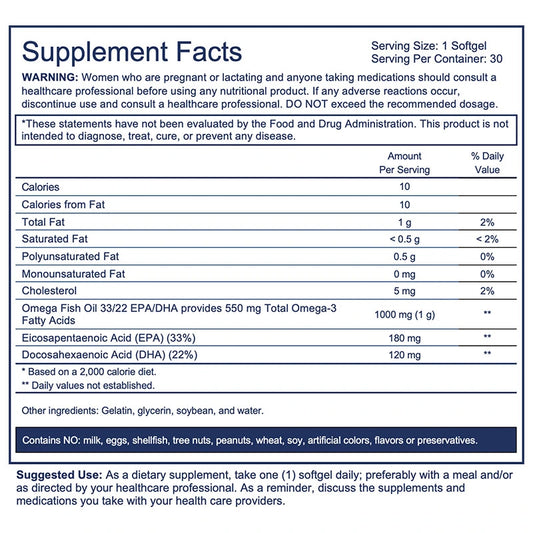
Omega-3 fatty acids found in fish oils are renowned for their anti-inflammatory properties and their ability to offer joint pain relief. These are nature's natural joint pain relief agents, reducing stiffness and swelling in the joints. Consider adding a high-quality supplement like our Super Omega-3 Supplement Fish Oil to your daily routine for optimal results.
Maintain a Healthy Weight
Weight loss can be pivotal for joint pain relief, particularly for those experiencing arthritis. Every pound shed removes four pounds of pressure from your knees, easing the strain and consequently, pain. Maintaining a balanced diet rich in fiber and whole foods not only aids in weight loss but also supports joint health by reducing inflammation. Our Joint Pain Relief Actionable Tips blog provides practical ways to incorporate this into your lifestyle.
Triple Power® for Triple Relief

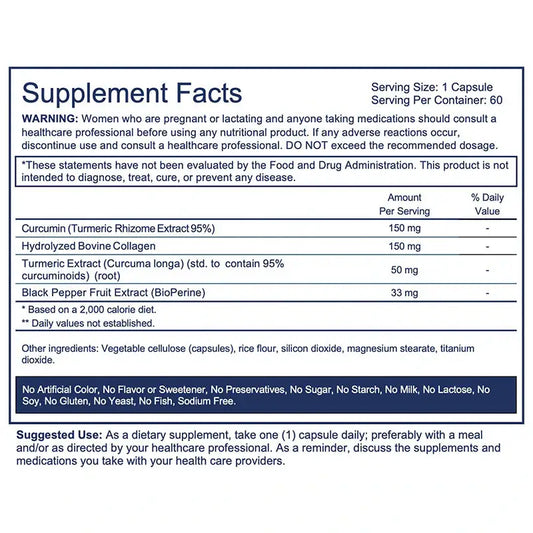
For those seeking a targeted approach to joint pain relief, particularly for arthritis, our Triple Power® Joint Support supplement offers multi-faceted support. It combines the power of the finest ingredients tailored to promote joint comfort, flexibility, and mobility. Dive deeper into tailored solutions with our article on Tailored Joint Pain Relief for Arthritis Solutions.
Plenty of Whole Grains
Whole grains like quinoa, barley, and oats can help reduce inflammation, making them an excellent addition to a diet focused on joint ache relief. Whole grains provide a steady release of energy, keep you feeling full longer, and can aid in weight management efforts crucial for reducing joint strain.
Stay Hydrated
Hydration is often overlooked but is critical in maintaining joint health. Water helps lubricate the joints, improves mobility, and reduces pain. Aim for eight glasses daily, and if you're active, consider increasing your intake to accommodate fluid loss during exercise.
By integrating these dietary adjustments, you’ll not only pursue joint pain relief but also foster overall well-being and vitality. Explore our resources and products for more guidance, and take the first step toward a life with less joint pain today. For more holistic health solutions, visit Eien Health.
Take Charge of Your Joint Health
Changing your diet might feel daunting, but even small changes can lead to significant improvements. Remember, it's about making consistent, healthier choices that can contribute to a better quality of life. Here's to taking charge of your joint health and embracing a diet that works with your body, not against it.
FAQs
What types of foods can help reduce joint pain?
Incorporating anti-inflammatory foods such as fatty fish high in omega-3 fatty acids (like salmon and mackerel), leafy greens, nuts, seeds, fruits like berries, and whole grains can help reduce joint pain.
Are there any specific diets that could benefit joint health?
The Mediterranean diet is often recommended for joint health. It emphasizes whole foods, healthy fats, fruits, vegetables, and lean proteins while minimizing processed foods and sugars.
Can hydration impact joint pain?
Yes, staying properly hydrated is crucial for joint health. Good hydration helps maintain the lubrication in your joints, which can minimize discomfort and stiffness.
Should I avoid any specific foods if I have joint pain?
Many people find that processed foods, sugary snacks, and excessive saturated fats can exacerbate inflammation. Limiting red meat and refined carbohydrates may also provide relief.
How can I incorporate more anti-inflammatory foods into my diet?
Start by adding a serving of fruits or vegetables with every meal, explore new recipes that feature healthy fats like olive oil, and try to include spices such as turmeric and ginger, known for their anti-inflammatory properties.
Is it beneficial to take supplements for joint health?
While some supplements, like omega-3 fatty acids, glucosamine, and turmeric, may provide benefits, it’s essential to consult with a healthcare professional before starting any new supplementation.
Can weight management affect joint pain?
Absolutely. Carrying excess weight puts additional stress on weight-bearing joints, which can lead to increased pain. A balanced diet combined with portion control and regular physical activity can aid in weight management.
How long does it take to see results from dietary changes for joint pain?
Results can vary depending on the individual and the extent of dietary changes, but many people may start to notice improvements in joint pain and overall well-being within a few weeks of making adjustments.
Is there a relationship between gut health and joint pain?
Yes, emerging research suggests that gut health plays a significant role in inflammation and joint pain. A diet rich in probiotics, such as yogurt and fermented foods, can help promote a healthy gut microbiome.