Joint pain can be a debilitating and frustrating condition that affects individuals of all ages. Whether it is due to aging, arthritis, or injury, finding relief from joint discomfort is essential for maintaining mobility and a good quality of life. Luckily, there are several natural techniques that can aid in joint ache relief. Let's explore some of these approaches and how they can help you find comfort and ease movement in your daily life.
Table of Contents
- Table of Contents
- Understand the Root Causes
- Weight Loss and Its Benefits
- Nutrient-Rich Supplements
- Exercise Regularly, but Carefully
- Utilize Herbal and Natural Remedies
- Heat and Cold Therapy
- Practice Mindfulness and Stress Management
- FAQs
Understand the Root Causes
The first step towards effective joint pain relief is understanding what might be causing your discomfort. Various factors can contribute, such as inflammation, injury, or degenerative diseases like arthritis. Dive deeper into these causes by reading Understanding Joint Pain: Causes and Solutions.
Weight Loss and Its Benefits
An often overlooked aspect of joint health is maintaining a healthy weight. Excess body weight increases the pressure on weight-bearing joints, such as the knees and hips, leading to increased wear and tear. Shedding even a small amount of weight can lead to significant improvements in joint pain relief. Consider integrating a balanced diet and regular physical activity into your routine.
Nutrient-Rich Supplements

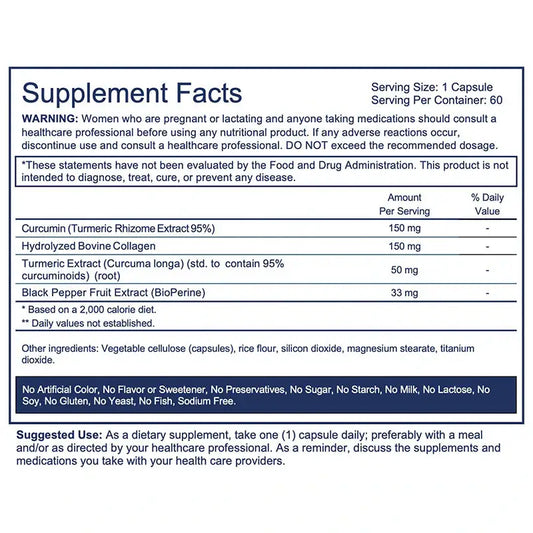
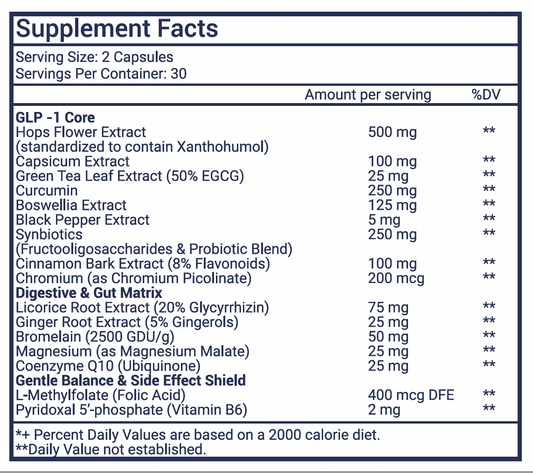
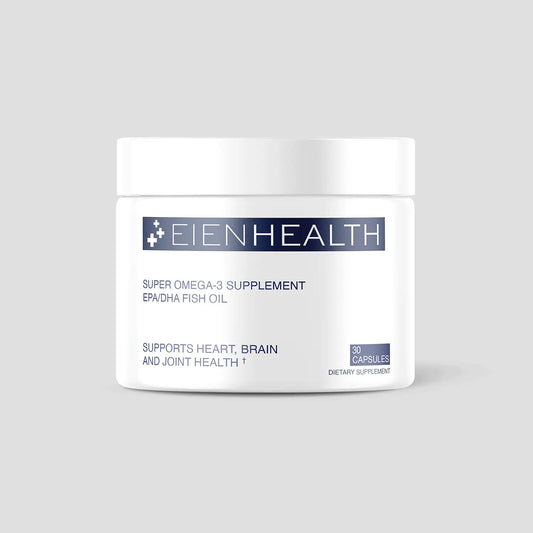
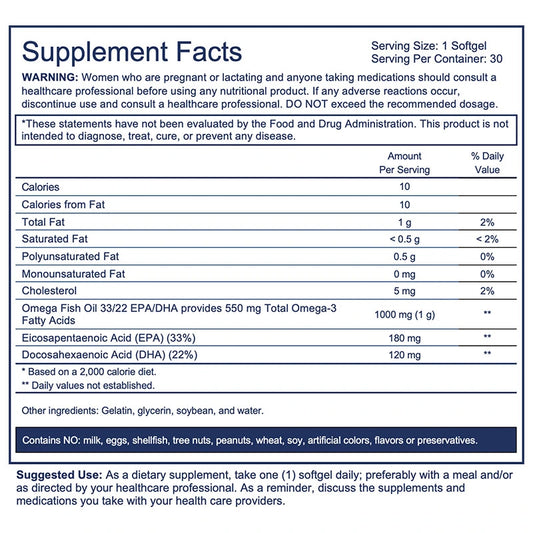
Adding supplements to your diet can also support joint health. Our Triple Power® Joint Support is specifically designed to nourish your joints and provide the natural joint pain relief you're seeking. Additionally, our Super Omega-3 Supplement Fish Oil can help reduce inflammation, offering further relief.
Exercise Regularly, but Carefully
Staying active is crucial for flexible and functional joints. Low-impact activities like swimming, cycling, or yoga can enhance joint lubrication and reduce stiffness without exacerbating discomfort. For personalized exercise strategies, explore ways to overcome joint aches with simple strategies.
Utilize Herbal and Natural Remedies
Various herbs and plant-based therapies have been used for centuries to provide relief. Turmeric, ginger, and boswellia are known for their anti-inflammatory properties and can be included in your diet or taken as supplements.
Heat and Cold Therapy
Applying heat or cold can be a quick and effective way to manage joint pain. Heat can relax muscles and improve lubrication, while cold can reduce swelling and numb sharp pain. Alternate between these therapies to find what suits your condition best.
Practice Mindfulness and Stress Management
Stress can exacerbate inflammation and pain in the body. Techniques such as deep breathing, meditation, or gentle stretching can help relax both your mind and body, thus reducing the overall perception of pain.
By integrating these natural techniques into your daily routine, you can work towards achieving sustainable joint pain relief. For more insights and tailored strategies to combat arthritis-related discomfort, refer to our article on Arthritis and Joint Ache: What Helps Most.
Explore these options and embrace a holistic approach to managing joint pain. Together with quality supplements and a healthy lifestyle, you can enjoy improved joint health and return to the activities you love. For more information on our effective joint support solutions, visit EienHealth.
FAQs
What are some effective natural remedies for joint pain relief?
Natural remedies for joint pain relief include methods such as applying heat or cold packs, practicing gentle stretches and exercises, using essential oils like lavender or eucalyptus, and incorporating anti-inflammatory foods into your diet, such as turmeric, ginger, and fatty fish.
How does regular exercise help manage joint pain?
Regular exercise helps to strengthen the muscles around the joints, improve flexibility, and enhance overall mobility. Low-impact activities such as swimming, walking, and cycling can reduce stiffness and alleviate pain while maintaining joint function.
Can diet impact joint pain?
Yes, diet can significantly impact joint pain. Consuming foods rich in omega-3 fatty acids, antioxidants, and vitamins can reduce inflammation. Foods to consider include leafy greens, berries, nuts, and olive oil, whereas processed foods and sugars may exacerbate pain and inflammation.
Is acupuncture a viable option for joint pain relief?
Acupuncture can be a viable option for joint pain relief. This ancient practice involves inserting thin needles into specific points on the body, which may help to release natural pain-relieving chemicals and improve blood flow, offering relief from chronic pain.
How do stress and mental health affect joint pain?
Stress and poor mental health can contribute to increased perception of pain, including joint pain. Emotional well-being is linked to physical health, so stress reduction techniques such as mindfulness, yoga, and meditation can help improve both mental state and pain levels.
Are there any specific herbal supplements that can aid in joint pain relief?
Some herbal supplements that may help relieve joint pain include turmeric, boswellia, and devil’s claw. Each of these herbs contains anti-inflammatory properties and may provide relief, but it is essential to consult with a healthcare professional before starting any supplement regimen.
What lifestyle changes can help reduce joint pain?
Incorporating lifestyle changes like maintaining a healthy weight, staying hydrated, and getting enough rest can help reduce joint pain. Additionally, optimizing your posture and ergonomics can prevent excessive strain on your joints during daily activities.
Can hot and cold therapy be beneficial for joint pain?
Yes, hot and cold therapy can be beneficial for joint pain. Applying heat can relax muscles and improve blood flow, while cold packs can reduce inflammation and numb sharp pain, providing relief in combination for various types of discomfort.
Is massage therapy effective for relieving joint pain?
Massage therapy can be effective for relieving joint pain by improving circulation, reducing muscle tension, and promoting relaxation. Regular sessions with a qualified massage therapist may help alleviate discomfort and improve mobility in affected joints.